
Lawn
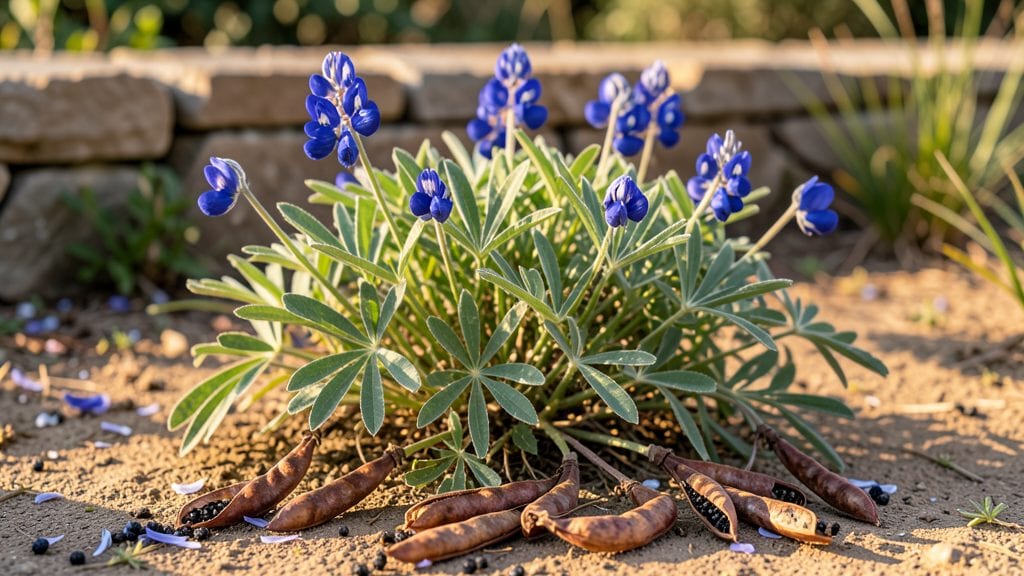
Dried seed pods form when plants mature, and harvesting them properly ensures viable seeds for future planting. Look for brown, crisp textures and split seams, then collect pods in paper bags to prevent moisture damage. Store in a cool, dry place until ready to sow.
Seed pods mature when plants shift energy from growth to reproduction, creating those telltale brown, papery husks. 🌱 The timing varies by species—some, like okra or snapdragons, dry quickly in 3-5 days after flowering, while others need weeks.
I always check for fully opened seams and brittle edges before harvesting, as these signs mean the seeds inside are ready for collection. The key is speed: once pods turn brown, they can release seeds if left too long, so I work efficiently to preserve that genetic potential.
After harvesting, I spread pods on newspaper in a well-ventilated area for 1-2 weeks to ensure complete drying before storage. This prevents mold while maintaining seed viability. For long-term storage, I use paper envelopes labeled with the plant name and year—this keeps them dry and organized for future planting seasons.
💡 In This Article
- How to Identify Mature Seed Pods for Collection
- Best Practices for Storing and Using Harvested Seed Pods
How to identify mature seed pods for collection
Mature seed pods undergo dramatic physical changes as plants transition from flowering to seed production. The most obvious sign is a color shift from vibrant green to dry brown or tan, indicating chlorophyll breakdown and water loss.
For example, okra pods start green but turn deep brown and papery when mature, while milkweed pods develop a woody texture and split open along seams.
This transformation occurs because the plant redirects nutrients to seed development, causing cell walls to harden and moisture content to drop below 10%—the threshold for seed dormancy.
The texture becomes another critical indicator: mature pods feel crisp and brittle rather than soft or leathery. You can test this by gently squeezing—if the pod crumbles slightly or makes a dry rattling sound when shaken, seeds are likely ready.
Environmental factors accelerate this process: direct sunlight speeds drying by 30-50% compared to shaded conditions, while humidity above 60% can delay maturation by trapping moisture. Rainfall after flowering often causes pods to swell temporarily, so I always harvest on dry days to avoid mold risks.
Different plant families exhibit unique maturity patterns worth noting. Legumes like peas and beans develop distinct seams that split open when mature, while grasses produce fluffy seed heads that shatter easily. Flowering plants often form capsule pods that crack open from the top (e.g., poppies) or bottom (e.g., foxgloves).
The key is observing whether seeds are fully formed and dark-colored inside—immature seeds appear greenish and underdeveloped. I've found that harvesting 10-15% early (when pods are just turning brown) gives the best balance between seed viability and pod integrity.
Timing becomes especially critical for self-pollinating plants like tomatoes or peppers, whose pods mature 2-4 weeks after flowering. Cross-pollinated varieties (e.g., squash) may require 6-8 weeks of consistent warmth.
What most gardeners overlook is how nighttime temperatures below 50°F can stall pod development—this is why late-season harvests often yield fewer viable seeds. For tropical plants like hibiscus, I monitor pod thickness as a secondary indicator, since color changes may be less pronounced.
One advanced technique I use is the "float test" for aquatic or moisture-sensitive pods: place a sample in water—mature seeds sink while immature ones float. This works because mature seeds have lower water content and denser cell structures.
For large-scale collections, I employ mesh bags to catch falling seeds beneath plants like milkweed, which release seeds explosively when mature. The goal is always to harvest when pods are fully dry but before seeds disperse naturally, as wind or rain can reduce viability by up to 40%.
Seasonal variations also play a role: spring-harvested pods often mature faster due to longer daylight hours, while fall pods may require additional drying time due to cooler temperatures. I've noticed that morning harvests yield the driest pods because overnight dew evaporates by midday.
For tropical species, I extend drying periods by 20-30% compared to temperate climates. The bottom line? Pay attention to both visual cues and environmental conditions—they're your best indicators of perfect harvest timing. 🌿