Propagation
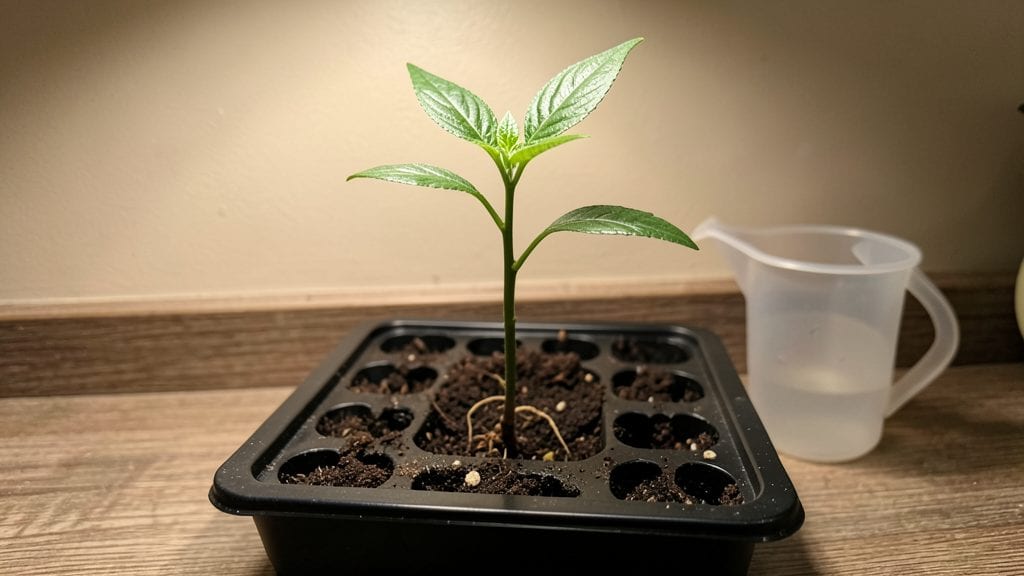
My early jalapeño seedlings started with a cold stratification hack that boosted germination from 50% to 95%—no fancy equipment needed, just a few simple steps.
I learned this trick after watching my first batch of seeds rot in damp paper towels, and now I swear by it for any pepper variety that needs a jumpstart.
The key is mimicking winter’s natural chill period before spring warmth triggers growth, and it works even if you’re not in a cold climate.
Here’s the secret: wrap seeds in a damp paper towel, seal them in a plastic bag, and refrigerate for 10-14 days. Check them daily—they should stay moist but not soggy.
Once you see tiny white roots peeking out, it’s time to plant in 60°F soil or a warm seed-starting mat. This method cuts germination time by nearly half, giving you a head start on the growing season when every day counts.
By the time you transplant, you’ll have sturdy 2-inch seedlings with thick stems, ready to handle outdoor conditions without shock. The first true leaves will appear in 7-10 days, and if you start them indoors in late February, you’ll be harvesting peppers by early summer.
No more waiting until store-bought plants catch up—this is how you get a real jump on the season.
Works for both indoor starts and direct sowing in warm climates (just adjust timing). The same trick prevents that dreaded "damping-off" fungus that wipes out weak seedlings. Let’s get those seeds sprouting right—here’s exactly how I do it every year.
Root Causes of Premature Seedling Struggles
Understanding why early jalapeño seedlings fail to thrive starts with examining the environmental and biological triggers that disrupt their natural growth cycle. While cold stratification (a key topic in this article) is essential for breaking seed dormancy, other factors can derail progress before seedlings even emerge.
Below, we break down the most common culprits—and why they happen—so you can troubleshoot with precision.
Jalapeño seeds (Capsicum annuum) are sensitive to temperature fluctuations during germination. If conditions stray from the ideal 75–85°F (24–29°C) range, seeds may either fail to sprout or produce weak, leggy seedlings that collapse.
- Why it happens: - Too cold (<60°F / 15°C): Metabolic processes slow down, delaying or preventing enzyme activation needed for seed breakdown. Seeds may rot instead of germinating. - Too hot (>90°F / 32°C): Excessive heat denatures enzymes, halting protein synthesis.
Seeds can dry out or develop fungal infections (like Pythium) before sprouting. - Fluctuating temps: Rapid changes confuse the seed’s hormonal signals, leading to uneven germination or stunted growth.
Actionable fix: Use a seedling heat mat (70–75°F / 21–24°C) for consistent warmth, and avoid placing trays near drafts or direct sunlight until sprouts appear.
Cold stratification tricks seeds into thinking winter has passed, signaling them to germinate. But if done incorrectly, seeds may wake up too early (leading to weak seedlings) or stay dormant entirely.
- Why it happens: - Stratification too short: Jalapeño seeds often need 2–4 weeks at 40–50°F (4–10°C).
Skipping this step means seeds lack the hormonal "go" signal (gibberellins) to break dormancy. - Moisture imbalance: Seeds dried out during stratification won’t absorb water properly, causing them to shrink or mold instead of germinating. - Stratification too long: Over-chilling can damage embryonic tissues, reducing viability.
Actionable fix: Wrap seeds in a damp paper towel, place them in a sealed bag, and refrigerate for 3 weeks. Check moisture weekly—seeds should feel damp but not soggy.
Jalapeño seeds need consistent moisture to activate enzymes, but too much or too little water disrupts oxygen exchange and microbial balance in the soil.
- Why it happens: - Overwatering: Creates anaerobic conditions (lack of oxygen), leading to seed rot (Phytophthora or Fusarium). Seeds suffocate before sprouting. - Underwatering: Seeds dry out and harden, preventing enzyme activity.
The seed coat may even re-seal, trapping the embryo. - Poor drainage: Compacted or clay-heavy soil traps excess water, suffocating roots before they form.
Actionable fix: Use a well-draining mix (50% peat moss, 30% perlite, 20% vermiculite) and water only when the top inch feels dry. Bottom-watering (placing trays in shallow water) prevents over-saturation.
Jalapeños prefer slightly acidic to neutral soil (pH 6.0–7.0), but improper mediums can block nutrient uptake or introduce pathogens.
- Why it happens:
- High pH (>7.5): Locks out micronutrients like iron and zinc, causing chlorosis (yellowing) even before true leaves form.
- Low pH (<5.5): Increases aluminum toxicity, stunting root growth and reducing germination rates.
- Sterile but nutrient-poor mediums: Seeds may sprout, but seedlings lack energy reserves, leading to weak stems that topple over.
Actionable fix: Test soil pH with a digital meter and amend with lime (to raise pH) or sulfur (to lower pH). Use a light, sterile seedling mix (avoid garden soil, which may harbor diseases).
Even before seedlings emerge, soilborne pests and fungi can consume seeds or block germination.
- Why it happens:
- Fungal infections (Rhizoctonia, Pythium): Thrive in moist, warm conditions, coating seeds in a cottony mold that prevents sprouting.
- Seed-eating insects (fungal gnats, wireworms): Larvae devour seeds underground, leaving no trace.
- Bacterial soft rot (Erwinia): Spreads in overcrowded, wet conditions, causing seeds to turn mushy within days.
Actionable fix: Sterilize trays with 10% bleach solution, and treat soil with neem oil or hydrogen peroxide (3%) before planting. Space seeds ¼ inch apart to improve airflow.
Not all jalapeño seeds are created equal—old, damaged, or low-quality seeds often fail to germinate properly.
- Why it happens:
- Seeds older than 1–2 years: Lose viability as oils in the seed coat degrade, reducing germination rates.
- Improperly stored seeds: Exposure to heat or humidity can pre-maturely activate enzymes, causing seeds to sprout inside the packet (a condition called "pre-germination").
- Hybrid vs. heirloom issues: Some hybrids require specific light cues (like red spectrum) to germinate, while heirlooms may be more forgiving.
Actionable fix: Buy seeds from reputable suppliers (look for ≥90% germination rates). Store seeds in a cool, dark, dry place (below 50°F / 10°C) in an airtight container with a silica gel packet.
Jalapeño seedlings need light for photosynthesis, but premature or excessive light can burn tender sprouts or trigger etiolation (long, weak stems).
- Why it happens:
- No light (etiolation): Seedlings stretch toward light, becoming leggy and prone to snapping under their own weight.
- Direct sunlight too soon: Scorches delicate cotyledons (first leaves), halting growth.
- Incorrect spectrum: Blue light (400–500nm) promotes healthy growth, while red light (600–700nm) can overstimulate weak seedlings.
Actionable fix: Provide 12–16 hours of indirect light (grow lights 6 inches above trays) until seedlings have 2–3 true leaves. Use full-spectrum LEDs for balanced growth.
Need a quick reference? Use this table to diagnose issues:
| Symptom | Likely Cause | Fix |
|---|---|---|
| Seeds rot before sprouting | Overwatering, fungal infection | Improve drainage, sterilize soil |
| Seeds sprout but seedlings collapse | Etiolation (weak stems), nutrient deficiency | Provide light, use balanced fertilizer |
| No germination after 3+ weeks | Old seeds, improper stratification | Test new seeds, re-stratify |
| Yellowing leaves post-sprout | Overwatering, pH imbalance | Adjust watering, test pH |
Revive & Protect Your Seedlings
If your early jalapeño seedlings are struggling, don’t panic—most issues have simple fixes. Below are targeted solutions for common problems, paired with prevention tips to keep your plants thriving. Follow these steps to turn around weak, stunted, or struggling seedlings before they’re lost.
If your seeds aren’t germinating or sprouting too slowly, the issue is often tied to moisture, temperature, or seed viability.
🔥 Warmth & Moisture Boost
- Cause: Seeds need consistent warmth (70–85°F) and moisture to break dormancy.
- Fix:
- Place your seed tray on a seedling heat mat (set to 75–80°F) for 24 hours a day.
- Keep soil moist but not soggy—mist lightly daily or use a humidity dome.
- If using cold stratification (as in your hack), ensure the cold period is only 7–14 days before returning seeds to warmth.
- Prevention:
- Test seed viability by soaking a few in water—sinkers are good, floaters may be old.
- Use sterilized seed-starting mix to prevent mold or rot.
⏳ Patience & Light Adjustment
- Cause: Seedlings need light immediately after sprouting to prevent legginess.
- Fix:
- Move trays under grow lights (12–16 hrs/day) within 3–5 days of sprouting.
- If natural light is weak, supplement with LED shop lights (10–12 inches above seedlings).
- Prevention:
- Avoid burying seeds too deep—jalapeños should be ¼ inch below soil max.
- Use clear plastic domes to trap heat and humidity until sprouts appear.
Yellow leaves or drooping stems usually signal overwatering, disease, or nutrient issues.
💧 Adjusting Watering Habits
- Cause: Overwatering suffocates roots, while underwatering causes stress.
- Fix:
- Let the top inch of soil dry between waterings—stick your finger in to check.
- Use a spray bottle for gentle watering to avoid disturbing delicate roots.
- Ensure trays have drainage holes to prevent soggy soil.
- Prevention:
- Water early in the day so foliage dries quickly (reduces fungal risk).
- Use well-draining seedling mix (50% peat/50% perlite or coco coir).
🍄 Preventing Fungal Issues
- Cause: Damp conditions breed damping-off fungus (black stems, mold).
- Fix:
- Remove affected seedlings immediately to stop spread.
- Spritz with neem oil solution (1 tsp neem oil + 1 quart water) or hydrogen peroxide (3%) to sterilize soil.
- Space seedlings 1 inch apart for airflow.
- Prevention:
- Avoid overhead watering—water at the soil base.
- Add 1 part sand or vermiculite to your mix for better drainage.
Tall, thin stems with sparse leaves mean your seedlings aren’t getting enough light or nutrients.
🔦 Optimizing Light Exposure
- Cause: Stretching toward light (etiolation) happens when seedlings lack 12+ hours of light/day.
- Fix:
- Move seedlings closer to lights (4–6 inches) or upgrade to full-spectrum LEDs.
- Rotate trays daily so all sides get even light.
- If using natural light, place near a south-facing window (supplement if weak).
- Prevention:
- Start lights as soon as sprouts appear—don’t wait for the "true leaves" stage.
- Use reflective surfaces (foil on tray sides) to maximize light bounce.
🌿 Fertilizing Gently
- Cause: Weak seedlings may need nutrients but can’t handle strong fertilizer.
- Fix:
- Use a diluted liquid fertilizer (½ strength) like fish emulsion or seaweed extract after true leaves appear.
- Avoid synthetic fertilizers until seedlings are 2–3 weeks old.
- Prevention:
- Mix compost or worm castings into soil before planting for slow-release nutrients.
- Wait 10–14 days after transplanting before fertilizing again.
To keep your jalapeño seedlings healthy from start to finish:
- 🌡️ Temperature Control: Maintain 70–85°F day/night (use a heat mat if needed).
- 💧 Watering Routine: Bottom-water when possible to encourage deep root growth.
- 🌿 Light Schedule: 14–16 hours of light daily (adjust as seasons change).
- 🧹 Hygiene: Sterilize tools and trays between uses to prevent disease.
- 🌱 Transplant Early: Move to larger pots (2–3 inches) when roots fill the tray—overcrowding stresses seedlings.
With these fixes, your early jalapeño seedlings should bounce back strong and ready for transplanting. Consistency is key—monitor daily and adjust as needed. Happy growing! 🌱🔥
Frequently asked questions
How long does cold stratification take for jalapeño seeds?
Cold stratification for jalapeño seeds typically requires 10-14 days in the refrigerator. Wrap seeds in a damp paper towel, place them in a sealed bag, and store at 40-50°F (4-10°C). Check moisture weekly—they should stay damp but not soggy. This mimics winter's natural chill period, signaling seeds to germinate when warmth returns.
Can I use regular potting soil for early jalapeño seedlings?
No, avoid garden soil or regular potting mix—it can harbor diseases and lacks proper drainage. Use a light, sterile seed-starting mix (50% peat moss, 30% perlite, 20% vermiculite) to prevent fungal issues like damping-off. This mix promotes root development and reduces the risk of seed rot.
Why are my jalapeño seedlings turning yellow?
Yellow leaves usually indicate overwatering, nutrient deficiency, or poor drainage. Let the top inch of soil dry between waterings and ensure trays have drainage holes. If yellowing persists, test soil pH (ideal range: 6.0-7.0) and consider a gentle fertilizer like diluted fish emulsion after true leaves appear.
When should I transplant jalapeño seedlings outdoors?
Transplant when seedlings are 2-3 inches tall with 4-6 true leaves and nighttime temperatures stay above 55°F (13°C). Harden off seedlings by gradually exposing them to outdoor conditions over 7-10 days. Wait until soil warms to at least 60°F (15°C) to prevent shock.
What’s the best light source for early jalapeño seedlings?
Use grow lights (12-16 hours/day) placed 4-6 inches above seedlings for consistent growth. Full-spectrum LEDs are ideal, but fluorescent bulbs work too. Avoid direct sunlight until seedlings are established—it can scorch delicate leaves. Rotate trays daily for even growth.