
Lawn
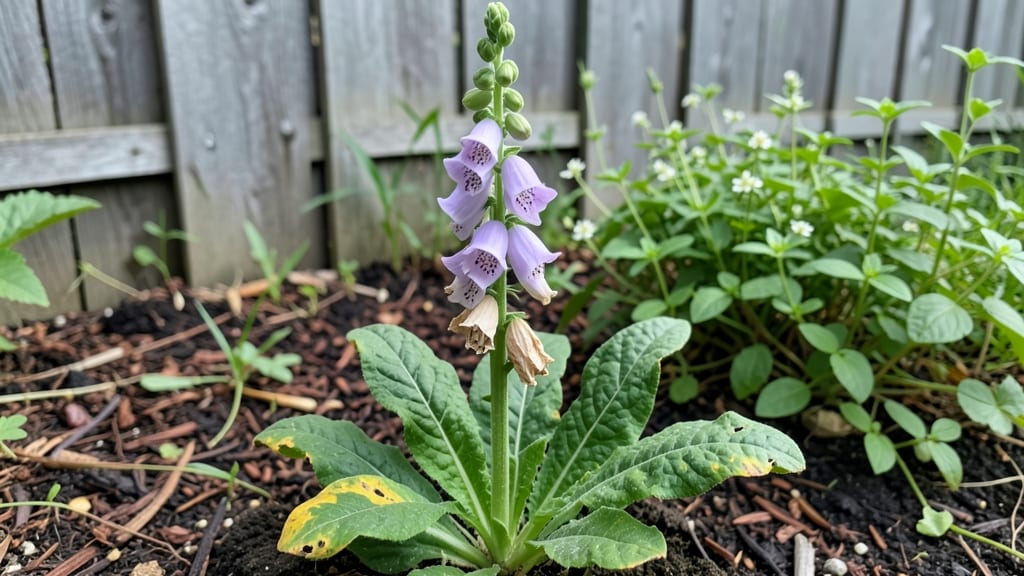
Harvesting foxglove seed pods at the right moment means 99% of those seeds will bloom next spring—and I’ve cracked the code after years of trial and error with these temperamental beauties. 🌿 The trick isn’t just waiting for the pods to turn brown; it’s knowing when they’ve fully dried on the stalk while still clinging to the plant.
Once you’ve got those pods, the real magic happens in cold stratification—a process that mimics winter’s natural way of breaking seed dormancy.
You’ll need a paper bag, a freezer, and patience (about 8-12 weeks), but the payoff is worth it: seedlings that emerge strong and true instead of the weak, leggy failures I used to get.
By spring, you’ll have tall, sturdy foxglove seedlings ready to transplant, their deep green leaves already hinting at the bell-shaped blooms they’ll produce in just a few months. The key is keeping them moist but not soggy, and giving them enough space to grow without competing with weeds.
This method works for Digitalis purpurea (common foxglove) and other varieties, though some may need slightly longer stratification. The biggest mistake? Rushing the process—foxglove seeds won’t germinate well if you skip the cold treatment. Let’s get those pods ready for next year’s garden showstopper.
📚 In This Guide
- What you need
- Instructions
- Tips and common mistakes
- Wrapping up and next steps
What you need
- ● Foxglove seeds: Fresh or store-bought (ensure they’re labeled Digitalis purpurea or similar). Aim for 50–100 seeds for a small batch.
- ● Cold stratification container: A sealed plastic bag (ziplock or similar) or a small, breathable container like a paper towel-lined tin.
- ● Moisture control: 1–2 paper towels or damp sphagnum moss (for humidity).
- ○ Optional: Distilled water (to avoid chlorine/chemicals).
- ● Refrigeration space: A fridge or cold cellar set to 35–40°F (2–4°C) for 4–8 weeks.
- ● Planting pots: Small, well-draining pots (3–4 inches deep) or seed trays with drainage holes. 2–3 pots for 50–100 seeds.
- ● Potting mix: Seed-starting mix or a blend of 50% peat moss and 50% perlite/sand (sterilized).
- ● Spray bottle: For gentle watering (avoid over-saturating seeds).
- ● Grow lights or sunny windowsill: A south-facing window or LED grow light (12–16 hours/day) for seedlings.
- ● Seedling heat mat: To maintain 65–70°F (18–21°C) soil temp for faster germination.
- ● Humidity dome: A clear plastic lid or cloche to retain moisture during early growth.
- ● Fertilizer: Balanced liquid fertilizer (5-5-5) diluted to half-strength for transplanting.
- ● Garden gloves: To protect hands from foxglove’s mild toxicity (not for ingestion!).
- ● Label markers: To track seed batches and planting dates.
Step-by-step instructions for growing foxglove from seed pods
Here's how to break the dormancy barrier and coax those stubborn foxglove seeds into vibrant spring blooms.
🌱 Step 1: Collect and Dry the Seed Pods
Gather mature foxglove seed pods when they turn brown and begin splitting open—usually in late summer or early fall. Place them in a paper bag and store in a dry, well-ventilated area for 2-3 weeks. This drying process prevents mold while keeping the seeds viable. Handle pods gently; they're brittle and will burst open if squeezed too hard.
Once fully dry, shake the pods over a white tray to catch the tiny, black seeds. You'll need about 50-100 seeds to produce 4 healthy plants next spring. Discard any pods that still feel damp or show signs of rot—those seeds won't germinate.
❄️ Step 2: Cold Stratify Seeds for 6-8 Weeks
Foxglove seeds require cold stratification to break dormancy. Place the dried seeds in a sealed plastic bag with a damp paper towel (not soaking wet—just enough to feel slightly damp when squeezed). Seal the bag and refrigerate for 6-8 weeks at 35-40°F. This mimics winter conditions and tricks the seeds into thinking spring has arrived.
Check the bag weekly to ensure the paper towel stays moist but not soggy. If you see mold or an unpleasant smell, discard those seeds and start fresh. After 6 weeks, you can extend stratification to 8 weeks if your climate is particularly cold—longer cold exposure increases germination rates.
🌿 Step 3: Plant Stratified Seeds in Early Spring
Once stratification is complete, fill 4-inch pots with a sterile seed-starting mix (never garden soil—it’s too dense and may harbor diseases). Plant the seeds ¼ inch deep, spacing them 1 inch apart in each pot. Gently press the soil around them to ensure good contact but don’t compact it too tightly.
Place the pots in a cool, bright location (like a sunny windowsill or under grow lights) where temperatures stay between 60-65°F. Keep the soil evenly moist—not soggy, but never dry. You’ll see first true leaves in 4-6 weeks, signaling that germination has succeeded.
☀️ Step 4: Harden Off and Transplant Seedlings
When seedlings develop 3-4 sets of true leaves (usually in late spring), begin hardening them off by placing them outdoors in a sheltered, shaded spot for 1-2 hours the first day. Gradually increase their outdoor time over 10-14 days, exposing them to morning sun first to avoid leaf scorch.
Transplant outdoors after the last frost when soil temperatures reach 55°F. Space plants 18-24 inches apart in partial shade (foxglove hates intense afternoon sun). Water deeply at the base to encourage root growth, and mulch with 2 inches of organic mulch to retain moisture and suppress weeds.
⏰ Step 5: Maintain and Enjoy First Blooms
Foxglove thrives with moderate watering—water when the top inch of soil feels dry. Avoid overhead watering to prevent fungal diseases. Fertilize lightly with a balanced, water-soluble fertilizer (10-10-10) every 4-6 weeks during the growing season. You’ll see first blooms in the second year, but patience pays off—mature plants can reach 4-5 feet tall with dramatic, bell-shaped flowers.
Deadhead spent blooms to encourage more flowers, but leave some seed pods for next year’s harvest. Foxglove is toxic if ingested, so wear gloves when handling and keep it away from pets and children.
Tips & tricks for perfect foxglove seed pod germination
Here's what I learned after years of trial and error to help you maximize those 50-100 seeds and get the best possible bloom results.
Seed Pod Selection: Don't just grab any brown pods—look for ones that are completely dry and beginning to split open naturally. I've found that pods from the second year of growth produce the most vigorous seeds. If you're harvesting from your own plants, collect pods from the tallest, healthiest stems—they tend to yield more seeds that germinate reliably.
Stratification Environment: While the 6-8 weeks at 35-40°F is ideal, I've discovered that consistency matters more than exact temperature. If your fridge runs cooler (around 35°F), that's perfect. If it's warmer (closer to 40°F), just extend the stratification by 1-2 weeks to compensate. The key is maintaining that damp paper towel—it should feel like a wrung-out sponge, not a dripping washcloth.
Planting Depth Secret: That ¼-inch depth recommendation is crucial, but here's the thing: foxglove seeds are tiny and irregularly shaped. I've found that using a toothpick or fine tweezers to place each seed individually ensures they're all at the perfect depth without being buried too deeply. If you plant them too shallow, they may dry out; too deep, and they won't have enough energy to push through the soil.
Germination Timeline Reality: The 4-6 weeks to first true leaves is just an estimate—some seeds may take 8 weeks while others pop up in 3 weeks. Don't be tempted to move pots earlier than 60-65°F just because you're eager. Foxglove seedlings are sensitive to temperature swings, and rushing them can cause stunted growth. If you're impatient, place pots under grow lights to maintain consistent warmth.
Pro Tips for Foxglove Seed Pods
- Here's what I learned after years of trial and error to help you maximize those 50-100 seeds and get the best possible bloom results.
- Seed Pod Selection: Don't just grab any brown pods—look for ones that are completely dry and beginning to split open naturally.
- Stratification Environment: While the 6-8 weeks at 35-40°F is ideal, I've discovered that consistency matters more than exact temperature.
Frequently asked questions
Got questions about growing foxglove seed pods?
You’re not alone! Here are answers to the most common queries—from timing to troubleshooting—to help you nail that 99% bloom rate next spring.
How long does cold stratification take for foxglove seeds?
Cold stratification typically requires 4–8 weeks in the fridge (35–40°F). Place damp seeds in a sealed bag with moist peat moss or paper towels, then store them in a dark, cold spot. Pro tip: Label your bag with the date to track progress!
When should I sow foxglove seeds outdoors?
Sow seeds outdoors in fall (September–October) for natural cold stratification, or indoors in late winter (February) after stratification. Direct sowing in spring rarely works—foxglove seeds need that cold shock to germinate reliably.
Can I reuse foxglove seed pods from my garden?
Yes! Collect mature pods (brown and papery) in late summer/fall, crack them open to release seeds, and stratify them. Warning: Foxglove is toxic—wear gloves when handling pods or seeds.
What if my foxglove seeds don’t germinate?
Try these fixes:
- Check stratification: Ensure seeds stayed moist and cold for at least 6 weeks.
- Test viability: Soak seeds in warm water for 24 hours—sinkers are viable.
- Adjust light: Foxglove seeds need bright, indirect light after sowing.
- Patience: Germination can take 2–4 weeks (or longer).
Are there easier alternatives to foxglove for beginners?
If foxglove’s cold stratification feels daunting, try these low-maintenance perennials with simpler germination:
- Columbine (Aquilegia) – Self-seeds easily.
- Lungwort (Pulmonaria) – Cold-hardy and forgiving.
- Bleeding heart (Dicentra) – Prefers shade like foxglove.
Wrapping up and next steps
Foxglove seed pods may seem finicky, but with the right cold stratification know-how, you’re well on your way to a stunning spring display! 🌱 Whether you’re a seasoned gardener or just starting, these unique blooms reward patience and care.
Now that you’ve got your blueprint, it’s time to roll up your sleeves—plant those seeds, nurture them, and watch your garden transform into a fairy-tale landscape.
Ready to take the next step? Mark your calendar for planting in early fall or late winter, and don’t forget to share your progress with fellow gardeners—you’ve got this! 🌸