Vegetables
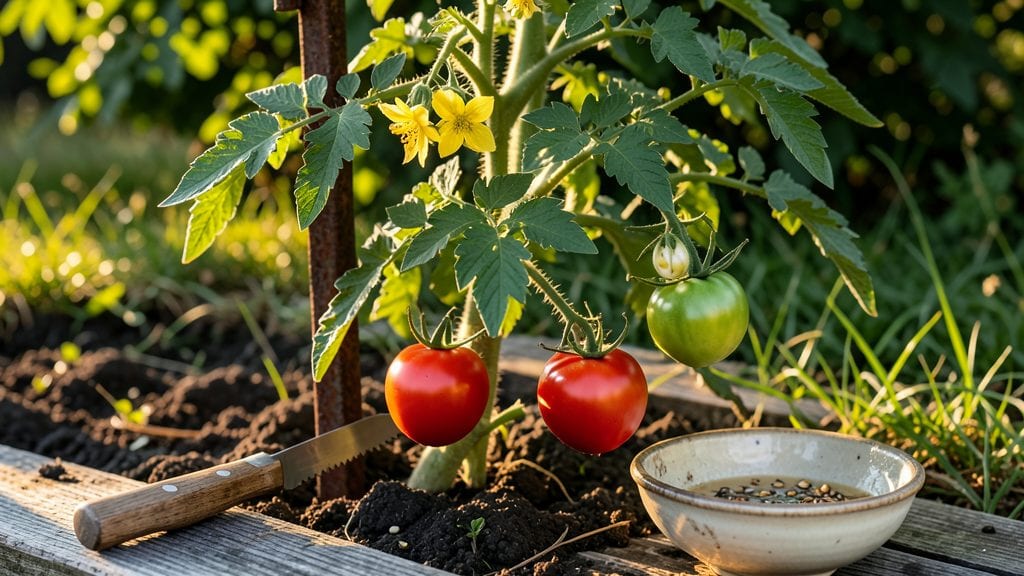
Green seeds inside your tomato mean the fruit was picked too early—it’s a classic sign your tomatoes didn’t mature fully on the vine. 🌱 I’ve seen gardeners throw away perfectly good tomatoes because they assumed the color was the only factor, but ripeness is about more than just skin.
The seeds should turn white or beige when fully ripe, and the fruit should yield slightly to gentle pressure.
The real culprits? Cool nights, inconsistent watering, or nutrient imbalances can stall seed development. Tomatoes need steady warmth—below 60°F at night slows everything down—and too much nitrogen (like from fresh manure) can delay ripening while boosting leafy growth.
Even a single late frost can leave seeds green and underdeveloped, no matter how red the fruit looks.
Here’s the fix: Let tomatoes stay on the vine until they’re fully colored and slightly soft, then harvest and ripen indoors if needed. If you’re dealing with nutrient issues, switch to a balanced fertilizer (like 5-5-5) and focus on potassium for the last 30 days of growth.
The payoff? Plump, flavorful tomatoes with properly developed seeds for next season’s garden.
Once you master this, you’ll spot the difference between a tomato that’s just changing color and one that’s truly ripe. It’s all about patience—and knowing when to leave those tomatoes hanging just a little longer. The flavor and seed quality will thank you.
📚 In This Guide
- What you need
- Instructions
- Tips and common mistakes
- Wrapping up and next steps
What you need
- ● Tomatoes with green seeds: Freshly harvested or store-bought (organic preferred for best results). Aim for 3-5 ripe tomatoes to analyze and experiment with.
- ● Knife or tomato slicer: A sharp, serrated knife or a dedicated tomato slicer to avoid squishing the seeds.
- ● Cutting board: A clean, stable surface (preferably non-porous like plastic or wood).
- ● Colander or fine-mesh strainer: A stainless steel or plastic strainer (4-6 inches wide) to separate seeds from pulp.
- ● Bowl or container: A glass or ceramic bowl (at least 1-quart capacity) for rinsing seeds.
- ● Water: Room-temperature or slightly warm water (avoid cold water to prevent seed shock).
- ● Paper towels or clean cloth: For drying seeds or blotting excess moisture.
- ● Small jars or containers: 2-3 small, airtight containers (like baby food jars or plastic containers) for seed storage or germination tests.
- ○ Magnifying glass (optional but helpful): To closely inspect seeds for color, texture, or signs of immaturity.
- ○ pH test strips (optional): To check water acidity if troubleshooting seed viability.
- ● Food processor or blender: For quickly pulping tomatoes if manual slicing feels tedious.
- ● Seed-saving labels: Waterproof labels to mark containers with tomato varieties and dates.
- ● Grow lights or sunny windowsill: For testing seed germination if you suspect viability issues.
- ● Hydrogen peroxide (3% solution): A natural disinfectant to clean seeds if mold or bacteria are suspected.
- ● Journal or notebook: To track observations, like seed color changes or germination progress.
Instructions for preventing green seeds in your tomatoes
Here’s how to stop those unsightly green seeds and get flavorful, ripe tomatoes every time.
🌱 Step 1: Choose the Right Tomato Varieties
Some heirloom and hybrid tomato varieties are more prone to green seeds than others. Look for determinate varieties like Roma, San Marzano, or Celebrity—they ripen more consistently and have fewer issues with uneven seed development. Avoid large slicing tomatoes like Beefsteak if you’re growing in cooler climates, as they often develop green seeds when stressed.
If you’re growing from seed, check the packet for notes on seed color. Many modern hybrids are bred to reduce green seeds, but even then, environmental factors play a role. I always opt for disease-resistant varieties like Mountain Merit or Better Boy—they handle stress better, which keeps seeds maturing properly.
☀️ Step 2: Ensure Proper Sunlight and Heat
Tomatoes need 6-8 hours of direct sunlight daily to ripen fully. If your plants aren’t getting enough light, the seeds inside may stay green because the fruit never reaches full maturity. Place them in the sunnest spot in your garden, and if you’re container growing, move pots to follow the sun’s arc.
Temperature matters too. Tomatoes thrive in 70-85°F soil and air. If nights dip below 55°F, the fruit’s development slows, and seeds may not mature. Use row covers or black plastic mulch to warm the soil early in the season. You’ll know it’s working when flowers appear within 4-6 weeks of transplanting.
💧 Step 3: Maintain Consistent Watering
Fluctuating moisture levels stress tomatoes and lead to uneven ripening. Water deeply 1-2 times per week, aiming for 1-1.5 inches of water per week. Let the top 1-2 inches of soil dry out between waterings—this prevents blossom-end rot and ensures steady fruit development.
I use a soaker hose to deliver water at the base, avoiding wet leaves. Overhead watering can spread disease and cause uneven ripening. Watch for wilting in the afternoon—if leaves droop but spring back when watered, your plants are thirsty. Consistent moisture keeps seeds maturing evenly.
✂️ Step 4: Prune for Better Airflow and Sun Penetration
Overcrowded plants struggle to ripen fruit evenly. Prune suckers (the small shoots that form in the leaf axils) regularly to improve airflow and sunlight exposure. Leave 2-3 main stems on indeterminate varieties and 1-2 stems on determinate ones. Remove any leaves shading the fruit clusters—this ensures seeds get the light they need to mature.
I prune in the morning so wounds have time to heal before evening. You’ll see a difference within 2-3 weeks: fruit will color more evenly, and green seeds will become less common. Avoid heavy pruning late in the season—it can stress plants before the first frost.
🍅 Step 5: Harvest at the Right Time
Green seeds often appear when tomatoes are harvested too early or left on the vine too long. Pick fruits when they’re fully colored but still slightly firm. For most varieties, this means deep red, yellow, or orange, depending on the type. If you wait until they’re soft and overripe, seeds may turn green due to uneven breakdown of chlorophyll.
Use a sharp knife or pruners to cut stems, leaving a small piece attached. Handle fruit gently to avoid bruising. Store harvested tomatoes at 55-65°F to slow ripening if needed. Proper timing ensures seeds mature fully and stay flavorful.
Tips & tricks for perfectly ripe tomatoes without green seeds
Here's how to sidestep the most common pitfalls that lead to those pesky green seeds while maximizing flavor and yield.
Variety Intelligence: In Step 1, when selecting varieties, pay special attention to the seed packet's maturity dates. Early-season varieties like 'Mountain Merit' often produce fruit with more consistent seed color because they ripen faster in cooler conditions. I've found that varieties with maturity dates under 70 days tend to have fewer green seed issues when grown in areas with shorter summers.
Heat Management in Step 2: The 70-85°F range is ideal, but don't just focus on daytime temperatures—nighttime temps matter too. If your evenings dip below 55°F, consider using floating row covers after sunset. I've seen dramatic improvements in seed color when I added these covers during the 4-6 week flowering period mentioned in the instructions. The key is maintaining that consistent warmth without overheating the plants.
Watering Wisdom for Step 3: That 1-2 inches per week guideline is perfect, but timing matters just as much. I water my tomatoes in the early morning (between 6-8 AM) to give the foliage plenty of time to dry before evening. Wet leaves overnight create the perfect conditions for fungal diseases that can stress plants and lead to uneven seed development. Also, consider adding 1 inch of organic mulch around plants to help maintain even moisture levels.
Pruning Precision in Step 4: When pruning, focus on creating an open canopy that allows sunlight to reach all fruit clusters. I like to leave just 1-2 main stems on determinate varieties and prune back any suckers that grow below the first flower cluster. This ensures the remaining fruit gets maximum sunlight exposure, which is crucial for proper seed maturation. Remember, those 2-3 weeks of consistent pruning make a noticeable difference in seed color uniformity.
Pro Tips for Green Seeds Inside Tomato
- Here's how to sidestep the most common pitfalls that lead to those pesky green seeds while maximizing flavor and yield.
- Variety Intelligence: In Step 1, when selecting varieties, pay special attention to the seed packet's maturity dates.
- Heat Management in Step 2: The 70-85°F range is ideal, but don't just focus on daytime temperatures—nighttime temps matter too.
Frequently asked questions
Got questions about those pesky green seeds inside your tomatoes?
You’re not alone! Here are the most common concerns—and straightforward answers to help you grow (and eat) better tomatoes.
Why do some tomato seeds stay green even after the fruit ripens?
Green seeds inside tomatoes usually mean the fruit didn’t fully mature before harvesting. If picked too early (even if the skin turns red), the seeds may not have had enough time to turn white and plump. For fully ripe tomatoes, wait until the fruit is deeply colored and slightly soft to the touch—then let it sit at room temperature for a few days to finish ripening.
How long does it take for green seeds to turn white in a ripe tomato?
Once a tomato is fully ripe on the vine, seeds typically turn white within 1–3 days of being picked. If you harvest early (like for green tomatoes), the seeds may stay green indefinitely. To speed up the process, store ripe tomatoes at room temperature (not the fridge!) and avoid cutting into them until fully ripe.
Can I still eat tomatoes with green seeds inside?
Yes! Green seeds are edible and won’t harm you—they’re just underdeveloped. However, they’re less digestible and may have a slightly bitter taste. For the best flavor and texture, wait for the seeds to turn white. If you’re in a hurry, you can blend or strain the seeds out when making sauces or salsas.
What can I do to prevent green seeds in future tomato harvests?
To avoid green seeds, focus on proper ripening:
- Harvest at peak ripeness: Wait until tomatoes are fully colored and slightly soft.
- Avoid cold storage: Refrigerating ripe tomatoes can stop seed development.
- Use vine-ripe tomatoes: Picked-from-the-vine tomatoes ripen better than store-bought.
- Be patient: If harvesting early (e.g., for green salsa), plan to cook them—heat helps break down the seeds.
Is there a way to fix green seeds after they’re already in the tomato?
Unfortunately, no—once seeds are green, they won’t turn white naturally after harvest. Your best options are:
- Cook the tomato: Heat (like in sauces or soups) softens seeds and reduces bitterness.
- Strain or blend: Remove seeds before eating (e.g., in fresh salads).
- Save for seeds: If you’re growing next year’s tomatoes, ferment the pulp with green seeds to break down the gel—it won’t affect germination.
Wrapping up and next steps
Discovering green seeds inside your tomato doesn’t have to be a cause for concern—it’s often a sign of natural ripening or environmental factors. By adjusting your growing conditions, harvesting at the right time, or simply enjoying them as-is, you can turn this quirk into an opportunity for better-tasting tomatoes. 🌱
Now that you’re armed with solutions, why not experiment with your next harvest? Try a different variety, tweak your care routine, or even share your newfound knowledge with fellow gardeners. Happy growing—your tomatoes (and seeds!) will thank you! 🍅✨