
Vegetables
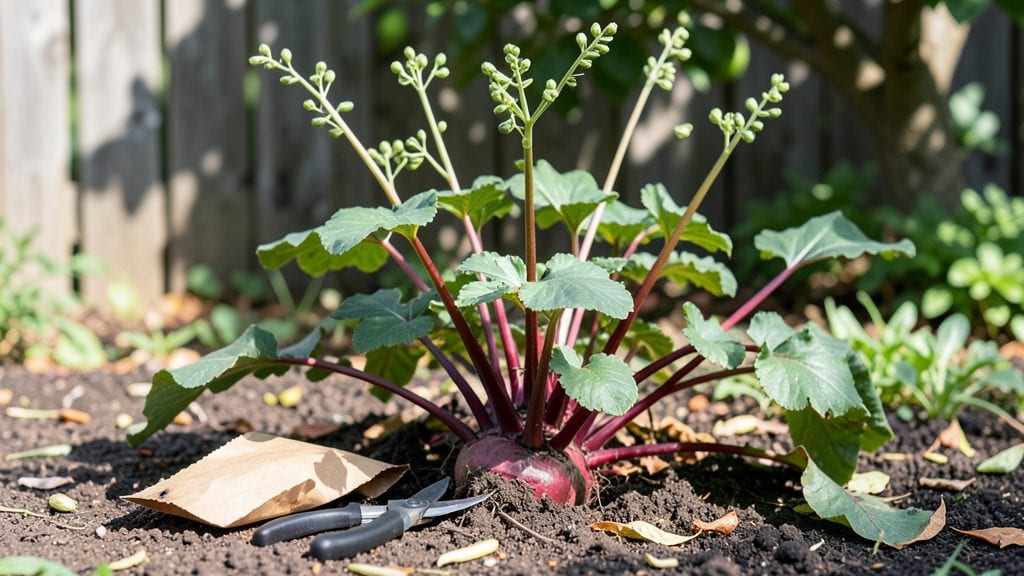
Harvesting beetroot seeds at the right moment means the difference between next year’s heirloom plants and a bag of useless chaff.
Did you know that saving beetroot seeds from your garden can save you money and ensure heirloom quality for next year—but only if you harvest them at the perfect time?
Many gardeners miss this window, ending up with seeds that won’t sprout. The key is waiting until those 🍠 seed pods turn fully brown and crisp, usually 60+ days after flowering.
This isn’t just about timing—it’s also about how you handle them after harvest. One wrong move, like storing them too damp or in direct sunlight, can ruin everything. But get it right, and you’ll have seeds ready to plant in USDA Zone 6a come spring.
Below, I’ll walk you through the exact steps to harvest, dry, and store beetroot seeds so they’re viable for years. No more wasted effort, just reliable heirloom quality for your next garden.
When to harvest beetroot seeds: the critical 60-Day timeline
Saving beetroot seeds from your garden is a fantastic way to preserve heirloom varieties and reduce costs, but timing is everything. If you harvest too early, your seeds won’t germinate, and if you wait too long, they’ll scatter or spoil.
The critical window for harvesting beetroot seeds is 60 days after flowering, but understanding the visual cues makes all the difference.
Beetroot plants typically flower about 45-50 days after sowing, depending on your climate. From that first bloom, you’ll need to monitor the seed balls closely. The key is watching for color changes and texture shifts—two telltale signs that your seeds are ready for collection.
| Stage | Days After Flowering | Seed Ball Appearance | Harvest Readiness | Key Action |
|---|---|---|---|---|
| Early Flowering | 30-40 days | Green seed stalks, soft seed balls | Not ready | Continue monitoring |
| Mid-Maturity | 50-55 days | Seed balls turning brown, slightly papery | Almost ready | Check daily |
| Optimal Harvest | 60+ days | Fully brown/dry seed balls, crisp texture | Ready to harvest | Collect immediately |
| Overripe | 70+ days | Seed balls cracking open, seeds spilling | Too late | Discard or compost |
Pro Tip: Harvest on a dry, sunny morning when seed balls are fully crisp to prevent mold during drying. Use clean pruning shears to avoid damaging the stem.
At the optimal harvest stage, your beetroot seed balls should be completely brown and crisp to the touch. If you press gently, they should feel almost papery and make a faint rattling sound when shaken—this means the seeds inside are fully mature.
If you miss this window, the seed balls may crack open on their own, scattering seeds before you can collect them.
One common mistake is assuming that flowering means the seeds are ready. In reality, beetroot plants need at least 60 days from the first bloom to reach maturity. Skipping this step often results in seeds that fail to sprout.
To avoid this, mark your calendar or set a reminder when you first spot flowers—this gives you a clear 60-day countdown to harvest.
Another visual cue is the leaves of your beetroot plant. As the seed balls mature, the foliage will start to yellow and die back, signaling that the plant is redirecting its energy to seed production.
This is your final green light to harvest. If you see green leaves persisting alongside brown seed balls, wait a few more days—the seeds aren’t fully mature yet.
Harvesting at the right time isn’t just about seed viability—it’s also about preserving quality. Overripe seed balls that have split open or spilled seeds are more prone to mold and pests during storage.
Always prioritize collecting seed balls that are intact and fully brown—this ensures the highest germination rates for next season’s planting.
For gardeners in warmer climates, beetroot seed maturation might happen faster, while cooler regions may need an extra week or two. Pay attention to your local frost dates—if the first frost is approaching, harvest your seed balls before the leaves die to avoid losing your entire crop.
In these cases, you can even force maturity by stopping watering a few weeks before the expected harvest date.
Once you’ve identified the perfect seed balls, use a clean pair of scissors or pruning shears to snip the stems just above the seed ball. Avoid pulling or twisting, as this can damage the delicate structures.
Place the harvested seed balls in a paper bag or breathable mesh bag to allow airflow while preventing moisture buildup.
Finally, remember that patience is key when harvesting beetroot seeds. Rushing the process can lead to wasted effort, but waiting too long risks losing your seeds entirely.
By following this 60-day timeline and watching for the right visual cues, you’ll ensure a successful seed harvest that keeps your garden thriving for years to come.
Step-by-step guide to processing and storing beetroot seeds for maximum germination
Once you’ve harvested your fully mature beetroot seed balls, the next critical step is proper processing to ensure high germination rates. Skipping this phase risks storing non-viable seeds or inviting mold.
I’ve learned through trial and error that temperature control and gentle handling make all the difference between seeds that sprout and those that fail.
Beetroot seeds need complete drying before storage—any remaining moisture will trigger mold within days. The key is patience: rushing this step often leads to poor germination. Here’s exactly how I process and store my seeds for next-season success, including my go-to germination test to verify viability.
I store my processed beetroot seeds in the refrigerator (35-40°F/2-4°C) for long-term viability, but a cool, dark pantry works too. The key is consistent moisture control—even a slight dampness can ruin an entire batch.
For heirloom varieties, I always test a small batch of seeds annually to confirm they’re still viable before planting.
Properly stored beetroot seeds can remain viable for 3-5 years, though germination rates drop after 2 years. My best tip? Label everything—I’ve lost track of varieties before, and nothing’s worse than planting mystery seeds only to discover they’re not what you expected!