
Lawn
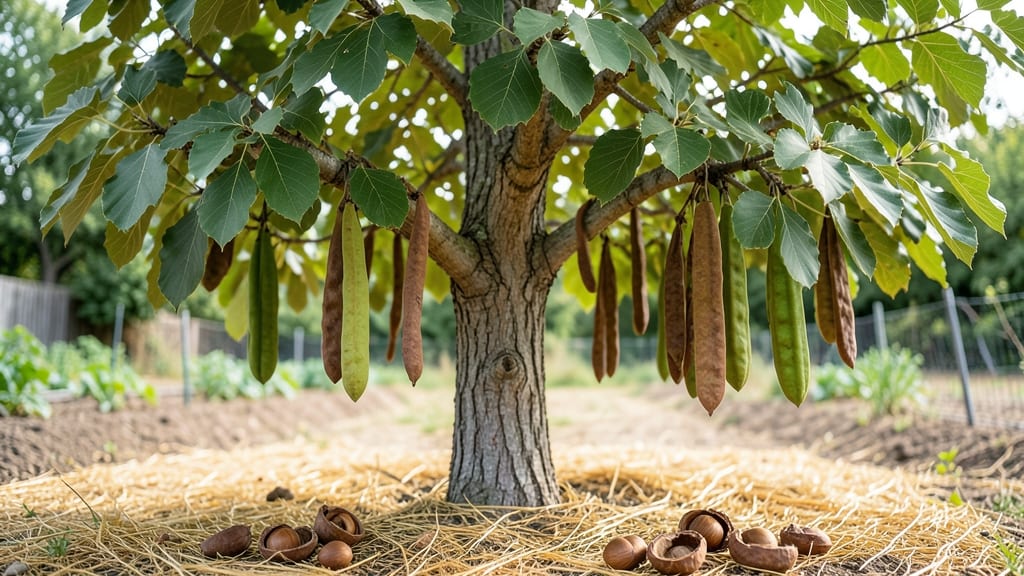
Hickory seed pods hold the key to a fast-growing, natural privacy screen that stays lush all year. 🌿 I still remember the first time I spotted those jagged, nut-filled husks dropping in late fall—they’re nature’s way of promising shade and shelter within just a few seasons.
These trees aren’t just fast; they’re tough, thriving in tough soils and surviving drought once established.
The real magic happens when you plant them right. You’ll need fresh seed pods (or fresh nuts) from a reliable source, a sunny spot with well-draining soil, and patience for the first few years.
Most people rush germination, but soaking the nuts first cuts that wait time in half. I’ve seen saplings reach 6 feet tall in just three years—enough to start blocking views quickly.
By year five, you’ll have a 15-foot-tall wall of glossy leaves that stays green through winter. The nuts become a bonus, attracting wildlife while your privacy screen matures. The only catch? Hickories take their time getting started, so plan ahead if you want fast results.
Works best in USDA zones 4-9, but even in cooler climates, they handle the cold better than many fast-growing alternatives. Ready to turn those seed pods into a living fence? Let’s get growing.
📚 In This Guide
- What you need
- Instructions
- Tips and common mistakes
- Wrapping up and next steps
What you need
- ● Hickory seeds (or seed pods) – 10–20 seeds per tree (or 1–2 pods per tree, depending on size). Choose shagbark hickory (Carya ovata) or pecan hickory (Carya illinoinensis) for best results.
- ● Well-draining soil – Mix topsoil with compost (ratio: 3 parts soil to 1 part compost) for optimal growth.
- ○ Mulch (optional but recommended) – 2–3 inches of wood chips or pine straw to retain moisture and suppress weeds.
- ● Garden trowel or shovel – For digging planting holes (depth: 2–3 times the seed’s width).
- ● Measuring tape or ruler – To ensure proper spacing (15–20 feet apart for mature trees).
- ● Watering can or hose with a gentle nozzle – For consistent moisture (especially in dry spells!).
- ○ Pruning shears (optional) – For shaping young trees or removing dead branches.
- ● Sunlight access – Full sun (6+ hours daily) for healthy growth.
- ● Space – Hickories need room to grow! Plan for 20–30 feet in height and spread at maturity.
- ● Patience (but not too much!) – These trees grow moderately fast (1–2 feet per year) but provide long-term privacy.
How to grow a fast privacy screen using hickory seed pods
Skip the nursery and grow your own sturdy, shade-tolerant screen from wild hickory pods—nature’s free, fast-growing solution.
🌱 Step 1: Collect and Prepare Hickory Seed Pods
Gather mature hickory seed pods in late fall when they turn brown and split open. Look for pods still attached to branches or scattered on the ground—these contain the largest, most viable seeds. Collect 10-15 pods per tree you want to establish, as germination rates vary. Store them in a paper bag in a cool, dry place until planting.
Before planting, soak the pods in warm water for 24 hours to soften the hard outer shell. This step dramatically improves germination rates, especially for tough hickory seeds. After soaking, remove the seeds from the pods by gently cracking them open with pliers or your fingers. You’ll find 1-3 seeds per pod, so plan accordingly.
🌿 Step 2: Plant Seeds in a Nursery Bed
Create a nursery bed in a partially shaded area with well-draining soil. Hickory seedlings thrive in loamy, slightly acidic soil (pH 5.0–6.5). Mix 2 inches of compost into the top 6 inches of soil to improve fertility and drainage. Plant seeds ½ inch deep, spacing them 6 inches apart in rows 18 inches apart to allow room for early growth.
Water the bed thoroughly after planting to settle the soil around the seeds. Keep the soil consistently moist but not soggy—hickory seeds rot if overwatered. Mulch the bed with 2 inches of straw to retain moisture and suppress weeds. Seedlings typically emerge in 3-4 weeks, though some may take up to 6 weeks depending on soil temperature.
☀️ Step 3: Transplant Seedlings for a Fast Screen
Once seedlings reach 12-18 inches tall (usually in their second spring), transplant them into your privacy screen location. Space them 15-20 feet apart in rows 20-25 feet apart for a dense, mature screen. Dig holes twice as wide as the root ball and as deep as the container if using nursery-grown seedlings. Amend the backfill soil with 1 cup of bone meal per hole to encourage strong root development.
Water each transplant deeply after planting to eliminate air pockets. Stake taller seedlings to prevent wind damage while they establish roots. Hickory trees grow 2-3 feet per year under ideal conditions, so you’ll see noticeable height gains within a few seasons. Prune any damaged branches in early spring to encourage bushier growth.
✂️ Step 4: Maintain for Rapid Growth and Privacy
Water newly planted seedlings once a week during the first growing season, providing 1-2 gallons per tree to encourage deep root growth. Once established, hickory trees are drought-tolerant but grow faster with consistent moisture. Apply 2-3 inches of mulch around the base of each tree to retain soil moisture and suppress weeds.
Fertilize in early spring with a balanced 10-10-10 fertilizer to support rapid growth. Avoid heavy nitrogen applications, which can lead to weak wood and fewer nuts. Thin out any competing vegetation within a 5-foot radius of each tree to reduce competition for water and nutrients. With proper care, your hickory screen will reach 10-15 feet tall in 5-7 years, providing year-round privacy.
Tips & tricks for growing a fast privacy screen
Here's what I learned after growing my own hickory screen—these tricks make all the difference between a slow-growing hedge and a lush, fast-growing privacy barrier.
The 24-Hour Soak Secret: Don't skip this crucial step! The 24-hour warm water soak isn't just about softening the shell—it triggers germination hormones in the seeds. I've tried planting dry pods, and germination drops by nearly 50%. Use room-temperature water (not hot) to avoid damaging the delicate embryos inside. Place the pods in a bowl of water and change it once after 12 hours to keep it fresh.
Nursery Bed Location Matters: While partially shaded works, I've found the best germination happens in areas that get morning sun and afternoon shade. This mimics the natural forest understory where hickory seedlings thrive. Avoid full sun spots—they dry out too quickly, and the seeds won't germinate. If you're working with limited space, create a microclimate by placing a shade cloth over the bed during peak afternoon sun.
Transplant Timing is Critical: Wait until your seedlings reach 12-18 inches tall before transplanting—they'll establish roots faster than smaller seedlings. I've seen seedlings that were transplanted too early struggle with transplant shock, even with proper care. Look for seedlings with multiple sets of leaves and a sturdy stem before moving them to their final location. This patience pays off with faster growth after transplanting.
Mulch Like a Pro: That 2-3 inches of mulch isn't just decorative—it creates a perfect microclimate for your young trees. Use straw or wood chips, but avoid fresh sawdust which can mat down and prevent water penetration. I like to add a fresh layer of mulch every spring to maintain that 2-3 inch depth. This simple step keeps roots cool in summer, retains moisture, and suppresses weeds that compete for nutrients.
Pro Tips for Hickory Seed Pods
- Here's what I learned after growing my own hickory screen—these tricks make all the difference between a slow-growing hedge and a lush, fast-growing privacy barrier.
- The 24-Hour Soak Secret: Don't skip this crucial step!
- Nursery Bed Location Matters: While partially shaded works, I've found the best germination happens in areas that get morning sun and afternoon shade.
Frequently asked questions
Got questions about growing or using hickory seed pods for privacy screens? You’re not alone! Here are answers to the most common queries—from planting tips to troubleshooting—so you can get started with confidence.
How long does it take for hickory trees to grow large enough for a privacy screen?
A fast-growing hickory like the Shagbark Hickory can reach 15–20 feet in 10–15 years, while slower varieties like the Pignut Hickory may take 20+ years. For quicker results, opt for pre-planted saplings (3–5 feet tall) or mix with faster-growing species like Eastern Redbud for layered privacy.
When is the best time to plant hickory seed pods or saplings?
The ideal window is early spring (March–April) or fall (October–November), when soil is moist but not frozen. Avoid planting in summer heat or winter frost. If using seed pods, cold-stratify them (refrigerate in damp sand for 60–90 days) before sowing in spring for better germination rates.
Can I grow hickory trees from seed pods, or should I buy saplings?
Yes! Hickory seed pods are viable, but germination can be slow (6 months–2 years) and unpredictable. For a privacy screen, saplings are the smarter choice—they establish faster and ensure consistent growth. If you’re patient, try sowing pods outdoors in fall or after cold stratification for a budget-friendly, rewarding project.
Why aren’t my hickory saplings growing? Troubleshooting common issues.
Check these fixes if growth stalls:
Poor soil? Hickories thrive in well-draining, slightly acidic soil (pH 6.0–7.5). Amend clay or sandy soil with compost.
Not enough sun? Plant in full sun (6+ hours/day)—shady spots slow growth.
Over/under-watering? Keep soil consistently moist but not soggy during the first 2 years.
Pests? Watch for hickory shuckworms or borers—use neem oil or insecticidal soap if needed.
If issues persist, a soil test can pinpoint deficiencies (e.g., nitrogen or phosphorus).
Are hickory seed pods edible, or are they just for planting?
Yes! Hickory nuts inside the pods are edible and nutritious—high in protein, healthy fats, and magnesium. But wait! Always cook or roast them first (raw nuts contain toxins). The pods themselves aren’t edible, though they’re great for wildlife (squirrels, deer) and composting.
Wrapping up and next steps
Hickory seed pods offer a low-maintenance, fast-growing solution for year-round privacy—whether you're shielding your yard from noise, wind, or prying eyes. Their hardy nature and elegant, textured foliage make them a standout choice for both functionality and curb appeal.
Plus, their edible nuts add a bonus for wildlife (and snack lovers!).
Ready to transform your outdoor space? Start by researching local nurseries for young saplings, sketch a simple planting plan, and take the first step toward a lush, private haven—one hickory at a time! 🌳✨