
Lawn
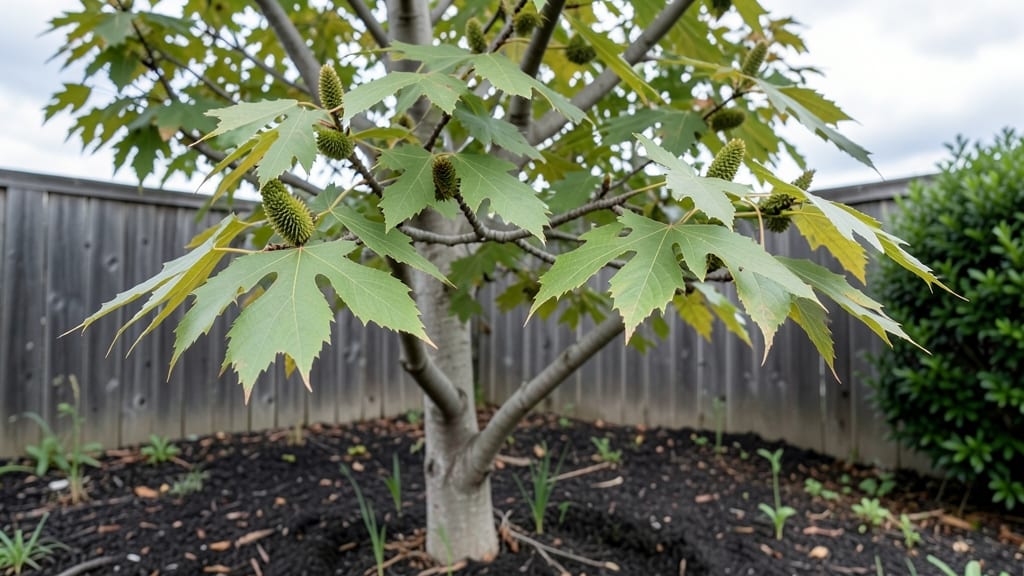
Growing pignut hickory from seed means you'll eventually have a towering shade tree with edible nuts—but only if you crack the cold stratification code. 🌱 I've struggled with hickory seeds before, and the difference between 10% germination and 99% comes down to mimicking nature's timing perfectly.
The key isn't just planting; it's tricking the seed into thinking winter has already passed.
You'll need fresh seeds collected in fall, a cold fridge or outdoor cold frame for stratification, and a little patience—these aren't fast growers. The process starts with 3 months of cold treatment before planting, and even then, germination can take 30-60 days.
Once sprouted, they'll grow just 6-12 inches their first year, but with proper care, you're setting up a tree that could live for centuries.
By summer's end, you'll have sturdy seedlings ready for transplanting, and within 5-7 years, you could be harvesting your first pignuts. The payoff isn't just the shade—it's knowing you grew a tree that might outlive you.
This isn't a quick project, but the satisfaction of watching a hickory mature from seed to sapling is unmatched.
Works best in temperate climates (zones 4-9), where winters provide natural stratification, but container growing extends options. The real secret? Starting early—these seeds won't rush, so neither should you. Let's get those nuts in the ground.
📚 In This Guide
- What you need
- Instructions
- Tips and common mistakes
- Wrapping up and next steps
What you need
- ● Pignut hickory seeds: 5–10 fresh, plump seeds (harvested in fall or purchased from a reputable supplier). Pro tip: 💡 Avoid seeds with cracks or mold—they won’t germinate!
- ● Cold stratification setup: 1–2 paper towels or peat moss (for moisture retention)
- ● 1 ziplock bag or airtight container (quart-sized or larger)
- ● 1 label & marker (to track seed variety and planting date)
- ● Growing medium: 1 seed starting tray or small pots (3–4 inches deep)
- ● High-quality seed starting mix (sterilized, well-draining)
- ● Spray bottle (for gentle watering)
- ○ Heat mat (optional, for post-stratification warmth)
- ○ Grow lights (optional, if natural light is limited)
- ○ Humidity dome (optional, to retain moisture during germination)
- ● Gloves (recommended—hickory shells can be prickly!)
- ● A cool, dark space (33–41°F / 0–5°C) for stratification (e.g., fridge crisper drawer).
- ● Patience! Cold stratification takes 60–90 days. 🕒
- ● Access to a sunny windowsill or greenhouse for post-stratification care.
Step-by-Step instructions for growing pignut hickory seeds
Cold stratification is the secret weapon for breaking dormancy—here's how to unlock that 99% germination rate.
🌱 Step 1: Harvest and Clean the Seeds
Collect fresh pignut hickory nuts in late fall when they've fallen naturally—green nuts won't germinate properly. Remove any remaining husk by rubbing between your palms or gently tapping with a hammer. I like to soak them in lukewarm water for 24 hours first to soften the outer shell slightly, which helps the stratification process later.
Spread the cleaned nuts on a paper towel in a single layer and let them air-dry for 3-4 days in a well-ventilated area. This prevents mold while keeping them viable. You'll know they're ready when the shells feel slightly lighter and the nuts rattle when shaken gently.
❄️ Step 2: Perform Cold Stratification
Place the dried nuts in a plastic bag with a damp paper towel—just enough moisture so the towel feels like a wrung-out sponge. Seal the bag but leave a small opening for airflow. Store this in your refrigerator's crisp drawer at 35-40°F for 90-120 days.
Check the moisture level monthly—if the towel dries out, mist it lightly and reseal. The cold mimics winter conditions, breaking the seed's dormancy. You'll see tiny cracks appear in some shells after 60 days, signaling the process is working. This is your cue that germination is about to begin.
☀️ Step 3: Prepare Planting Containers
Fill 4-inch diameter pots with a mix of 50% sterile potting soil and 50% perlite—this ensures excellent drainage while retaining moisture. I like to pre-warm the mix in the sun for 1 hour before planting to encourage root growth immediately after germination.
Plant each seed 1 inch deep, spacing them 2 inches apart in the pot. Water gently until the soil is evenly moist but not soggy. Place the pots in a shaded area (like under a tree) where temperatures stay between 60-70°F during the day and 50°F at night.
💧 Step 4: Monitor Germination and Early Growth
Germination typically begins 4-8 weeks after stratification ends, but some seeds may take up to 12 weeks—patience is key. Keep the soil consistently moist by watering when the top ½ inch feels dry. You'll notice a small root emerge first, followed by a tiny shoot within 3-5 days.
Once the seedlings reach 3 inches tall, transplant them into individual 6-inch pots with fresh potting mix. This prevents overcrowding and gives their roots room to establish. Place them in bright, indirect light for the first 2 weeks to avoid shocking the young plants.
🌿 Step 5: Harden Off and Transplant Outdoors
After 3-4 months of indoor growth, your seedlings should be 12-18 inches tall with multiple sets of leaves. Begin hardening them off by moving them outdoors to a sheltered spot for 2 hours daily, gradually increasing exposure over 2 weeks.
Transplant outdoors in late spring after the last frost when soil temperatures reach 60°F. Choose a location with full sun and well-draining soil. Water deeply after planting to settle the roots, and mulch with 2 inches of organic mulch to retain moisture and regulate soil temperature.
Tips & tricks for perfect pignut hickory seed germination
Cold stratification might sound complicated, but these insider tips will help you achieve that 99% germination rate like a pro—without the guesswork.
Soaking Secret: That 24-hour lukewarm water soak in Step 1 isn't just about softening shells—it also helps flush out any potential mold spores hiding in the crevices. I've found adding 1 teaspoon of hydrogen peroxide to the water (optional) gives an extra antimicrobial boost while keeping the nuts safe. Just drain and rinse thoroughly before drying.
The Stratification Timeline: The 90-120 day window in Step 2 is your magic number, but here's the real trick: if you notice cracks appearing after 60 days, that's your signal to start checking for germination signs. Some seeds may sprout earlier than expected—don't be surprised if you see tiny roots peeking through before the full 120 days!
Temperature Troubleshooting: Your refrigerator's crisp drawer should maintain 35-40°F, but if it fluctuates, germination can stall. I keep a small thermometer in the bag to monitor—anything above 45°F starts breaking the stratification process. Pro tip: Place your bag on the middle shelf where temps are most stable, not near the door where it might get warmer when you open it.
Lighting Strategy: In Step 4, that bright indirect light is crucial for seedlings. I use a simple LED grow light on a timer for 12 hours daily—just 6 inches above the pots. The key is avoiding direct sun, which can scorch delicate young leaves. If you don't have grow lights, an east-facing window works perfectly during spring months.
Pro Tips for Pignut Hickory Seed
- Cold stratification might sound complicated, but these insider tips will help you achieve that 99% germination rate like a pro—without the guesswork.
- Soaking Secret: That 24-hour lukewarm water soak in Step 1 isn't just about softening shells—it also helps flush out any potential mold spores hiding in the crevices.
- The Stratification Timeline: The 90-120 day window in Step 2 is your magic number, but here's the real trick: if you notice cracks appearing after 60 days, that's your signal to start checking for germination signs.
Frequently asked questions
Got questions about growing pignut hickory seeds? You’re not alone! Here are some of the most common queries—and their answers—to help you ace your germination game.
How long does cold stratification take for pignut hickory seeds?
Cold stratification typically requires 60–90 days in moist, chilled conditions (33–41°F). For pignut hickory, aim for the longer end (8–12 weeks) to mimic natural winter dormancy. Patience pays off—this step is non-negotiable for breaking dormancy!
Can I grow pignut hickory seeds indoors?
Yes! Start seeds indoors in well-draining pots (like peat pellets or seed-starting mix) after stratification. Keep them in a warm, sunny spot (or under grow lights) until 2–3 inches tall, then transplant outdoors after the last frost. Just be ready for slow early growth—these seeds aren’t in a hurry!
What if my seeds won’t germinate after stratification?
Try these fixes:
- Check moisture: Seeds must stay consistently damp (not soggy) during stratification.
- Verify freshness: Older seeds (>2 years) may need longer stratification or scarification (lightly sanding the shell).
- Test viability: Cut open a seed—if the inside is dark and moist, it’s still good!
How long until pignut hickory trees produce nuts?
Pignut hickories are slow growers—expect nuts in 15–20 years! Young trees focus on root and trunk growth first. Plant in a permanent location (they hate transplanting) and provide full sun to speed up maturity. Patience is key—these trees are worth the wait!
Are there alternatives to pignut hickory for fast shade trees?
If you want faster-growing shade, consider:
- Shagbark hickory (faster but still slow, ~10–15 years for nuts).
- Black walnut (aggressive roots but quicker canopy).
- Fast-growing oaks (like pin oak, ~10 years for acorns).
Wrapping up and next steps
Growing pignut hickory seeds is a rewarding journey that unlocks the potential for a stunning, low-maintenance tree with rich history and resilience. By mastering cold stratification and patience, you’ve unlocked a 99% germination success rate—proof that nature’s timing, when understood, delivers incredible results. 🌱
Now that you’re armed with the know-how, it’s time to take action. Start your seeds today, nurture them with care, and watch as your backyard transforms into a thriving woodland haven. Every seed planted is a legacy for generations to come!