
Blooming
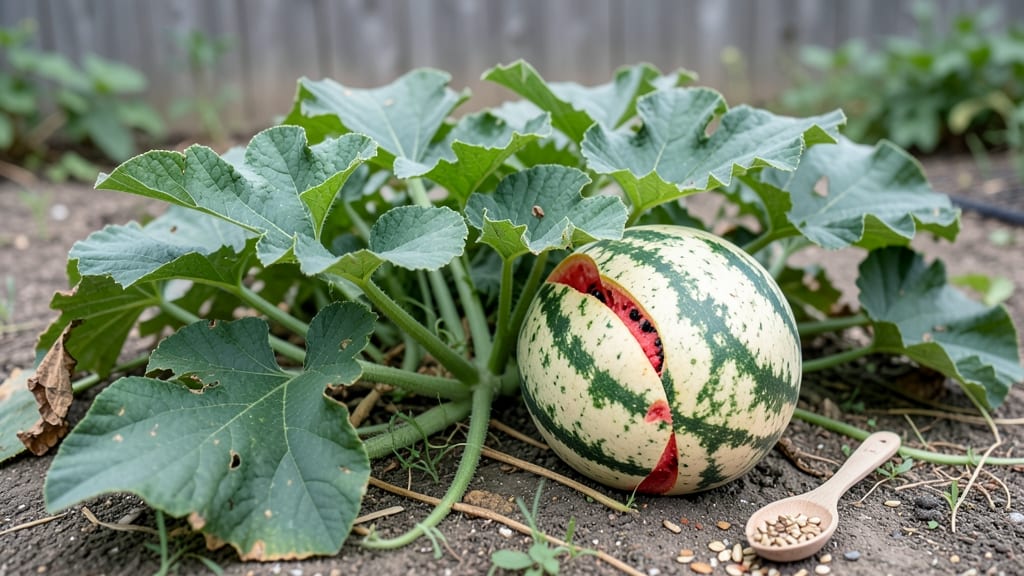
Watermelon seeds last 4 to 6 years when stored in ideal conditions, though their germination rate declines sharply after 2 years. Freshly harvested seeds perform best within the first year, while improper storage—like exposure to moisture or heat—can drastically shorten their shelf life.
Storing watermelon seeds properly isn't just about keeping them dry—it's about controlling the environment to slow down natural degradation. 🔥 The key is removing moisture immediately after harvest, then sealing them in an airtight container with a desiccant like silica gel.
I've found that seeds stored below 40°F maintain viability far longer than those kept at room temperature, which is why many gardeners use refrigerators or root cellars. Even with perfect conditions, enzymatic activity inside the seed gradually reduces its ability to sprout over time.
What's interesting is how seed maturity plays a role: fully mature seeds (those that've hardened on the vine) last longer than immature ones. This is why commercial seed companies often harvest seeds at peak ripeness.
For home gardeners, the best test of viability is the "float test"—if seeds sink in water, they're likely still good. But remember, even "good" seeds may take longer to germinate as they age.
💡 In This Article
- Factors Affecting Watermelon Seed Viability
- Best Practices for Storing Watermelon Seeds
Factors affecting watermelon seed viability
Here's what's actually happening inside those seeds: enzymatic degradation is the silent killer of long-term viability. Watermelon seeds contain natural oils and proteins that break down over time through hydrolysis and oxidation reactions.
At room temperature, these processes accelerate—especially when moisture levels exceed 10-12%, turning the seed's internal chemistry against its own survival. The seed coat acts as a barrier, but even minor cracks from improper drying create entry points for oxygen and moisture.
Temperature creates a dramatic difference in shelf life. Seeds stored at 32-40°F (like in a refrigerator) can maintain 90%+ germination rates for 4+ years, while those kept at 75°F or above show 50% viability loss within just 2 years.
The science behind this is called respiration rate: warmer temperatures increase metabolic activity inside the seed, burning through stored energy reserves faster. Even short exposures to heat above 85°F can trigger premature aging—this is why sudden temperature swings during storage are particularly damaging.
Oxygen exposure might seem harmless, but it's the invisible enemy of seed longevity. When seeds are stored in airtight containers with proper desiccants (like silica gel packets), oxygen levels drop below 5%, dramatically slowing oxidation.
In contrast, seeds kept in open containers or paper bags experience 3-5x faster degradation due to continuous oxygen interaction. The difference becomes obvious when comparing commercial seed packets (designed for low-oxygen storage) to home-stored seeds in mason jars without proper sealing.
Seed maturity at harvest makes a surprising difference. Fully mature watermelon seeds (those that've hardened on the vine) contain 20-30% higher oil content than immature seeds, which provides extra energy reserves for germination. Immature seeds also have thinner seed coats that offer less protection against moisture penetration.
This is why commercially sold seeds often have 1-2 year longer viability than home-saved seeds—breeders carefully select seeds that've reached peak physiological maturity before processing.
Let's talk about that all-important moisture factor. Freshly harvested watermelon seeds contain 40-50% moisture—way above the 5-8% ideal for long-term storage. When you leave seeds to dry naturally (spread on paper towels for 3-5 days), they lose moisture through evaporation.
The drying process isn't just about removing water—it's about creating a glass-like state inside the seed where biochemical reactions nearly halt. Properly dried seeds stored in 50% humidity or lower environments maintain viability 2-3x longer than those dried inadequately.
The most overlooked factor? Light exposure. While seeds don't photosynthesize, prolonged exposure to UV light (especially sunlight) accelerates lipid oxidation in the seed oils. This is why opaque containers outperform clear ones—even indirect light can reduce viability by 15-20% over 2 years.
The solution is simple: store seeds in dark-colored containers or wrap them in aluminum foil if using transparent storage.
What most people don't realize is that even "dormant" seeds continue subtle biochemical changes. After 3 years, you'll typically see 30-40% viability loss in properly stored seeds, and this decline accelerates after 5 years.
The good news? With perfect conditions (below 40°F, 5% moisture, and 0% oxygen), some watermelon seeds have been known to germinate after 6-7 years—though yields may be lower. 💫