
How To
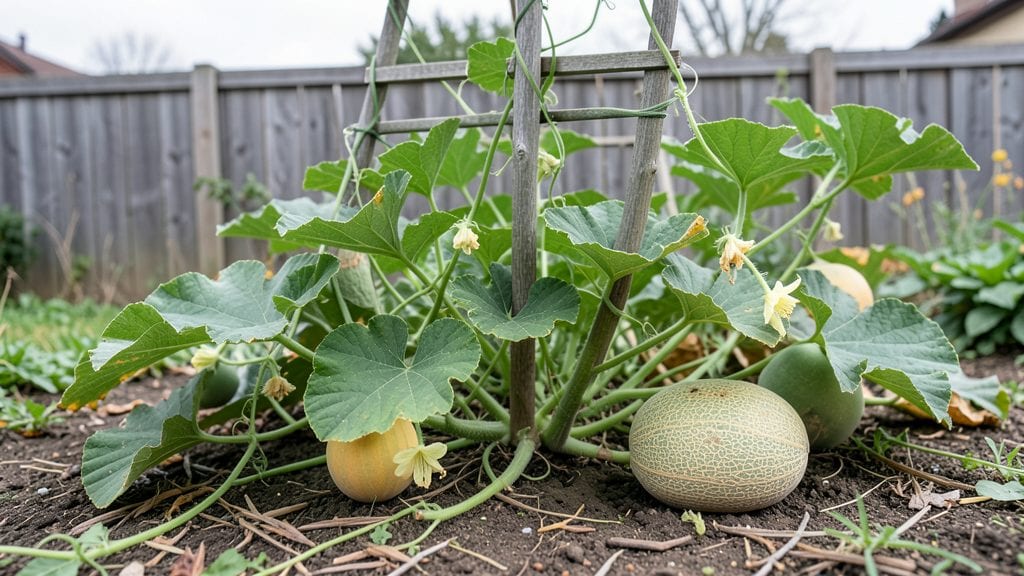
Growing cantaloupe from seeds takes about 75 to 90 days to reach harvest—longer than many gardeners expect, but the journey from tiny seed to sweet fruit is worth the wait.
If you’ve ever wondered how long it takes to grow juicy, ripe cantaloupes from tiny seeds, you’re in the right place—this isn’t just about patience, but understanding each stage of your plant’s journey.
From the first sprouts to the moment you twist a ripe 🍈 from the vine, every step matters.
The timeline starts with 5 to 10 days for germination, followed by 30 to 45 days of vigorous vine growth before flowering begins. Then comes the critical 30-day window for pollination and fruit development, where soil warmth and consistent watering make all the difference.
By mastering these stages, you’ll not only speed up the process but also ensure your cantaloupes are sweeter, larger, and ready to harvest by late summer—just in time for peak ripeness in July or August.


Cantaloupe growth timeline from seeds to harvest: month-by-month breakdown
Growing cantaloupe from seeds is a rewarding journey that spans roughly 3-4 months under ideal conditions. Each stage—from germination to harvest—requires specific care to ensure your plants thrive. Understanding this month-by-month timeline helps you anticipate needs like watering, fertilizing, and pest control.
Whether you're a beginner or seasoned gardener, knowing these milestones ensures you don’t miss critical steps in your cantaloupe’s development.
Cantaloupe plants are warm-season annuals, meaning they need consistent temperatures above 70°F (21°C) to grow properly. In cooler climates, you might need to start seeds indoors or use row covers to protect young plants.
The timeline below assumes you’re planting in spring after the last frost in a warm climate like USDA Zone 7-10. Adjust expectations if your region has shorter growing seasons.
🚨 summary table 🚨
| Stage | Timeframe | Key Actions | Notes |
|---|---|---|---|
| Seed Germination | 7-14 days | Plant seeds 1 inch deep in warm soil | Soil temp must be 70°F+ for germination |
| Seedling Stage | 2-3 weeks | Thin seedlings to 3-4 feet apart | Provide support if needed for vines |
| Vegetative Growth | 4-6 weeks | Fertilize with balanced 10-10-10 | Vines spread 3-6 feet; mulch to retain moisture |
| Flowering | 2-3 weeks | Hand-pollinate if needed (tap flowers gently) | Yellow flowers appear; remove male blooms to encourage fruiting |
| Fruit Set | 3-4 weeks | Reduce water slightly; monitor for pests | Fruits grow 4-6 inches; thin to 2-3 per vine |
| Ripening | 4-6 weeks | Check for harvest readiness weekly | Fruits turn cream/yellow; vine near fruit browns |
| Harvest | 75-90 days total | Twist gently to detach ripe cantaloupes | Store in cool, dry place for 1-2 weeks |
Your cantaloupe journey begins with seed germination, which typically takes 7-14 days in warm soil. To speed this up, soak seeds overnight before planting and maintain soil temperatures above 70°F (21°C). Use a seedling heat mat if your climate is cooler.
Once sprouts emerge, thin seedlings to 3-4 feet apart to give vines room to spread. This stage is critical—overcrowding leads to weak plants and poor fruit production.
After germination, your cantaloupe enters the seedling stage (2-3 weeks), where young plants focus on developing strong roots and vines. During this phase, ensure they receive 6-8 hours of sunlight daily and keep soil consistently moist but not waterlogged.
If using containers, choose large pots (at least 5-gallon size) to accommodate sprawling vines. This is also when you should fertilize lightly with a balanced 10-10-10 formula to encourage healthy growth.
By week 6-8, your cantaloupe plants will enter vegetative growth, producing long vines that spread 3-6 feet across the ground. This is the perfect time to add mulch around the base of plants to retain moisture and suppress weeds.
Monitor for pests like cucumber beetles, which can damage young leaves. If spotted, use neem oil or insecticidal soap for organic control. Prune any yellowing or diseased leaves immediately to keep plants healthy.
The flowering stage (weeks 8-10) marks an exciting shift in your cantaloupe’s development. You’ll notice yellow male flowers
Critical factors that speed up or delay cantaloupe maturation
Growing cantaloupes from seeds can feel like a waiting game, but the actual time from seed to harvest depends on controllable factors like soil warmth, sunlight, and watering habits.
While most varieties take 75-90 days to mature, some can ripen in as few as 60 days with perfect conditions—or linger for months if neglected. Understanding these variables lets you accelerate growth or troubleshoot delays before they happen.
Soil temperature is the single biggest factor in cantaloupe maturation. Seeds won’t germinate below 70°F soil, and slow growth below 75°F can stretch your harvest window by weeks. Meanwhile, consistent moisture prevents stress that halts fruit development, while overwatering can rot roots and delay ripening.
Even sunlight plays a role—6+ hours daily is non-negotiable, but partial shade can reduce yields by 30-50%.
Choosing the right cantaloupe variety also makes a difference. Early-maturing varieties like 'Minnesota Midget' or 'Ambrosia' can produce fruit in 60-70 days, while heirlooms like 'Athena' may take 85-90 days.
Even within the same variety, planting time matters—starting seeds indoors 3-4 weeks before your last frost date gives seedlings a head start. Below, I’ll break down how to optimize each factor for faster, healthier cantaloupes.
How Long to Grow Cantaloupe From Seeds: Speed vs. Delay Factors
✅ Speed Up Maturation
- Warm soil (75°F+): Use black plastic mulch to raise temps by 5-10°F.
- Full sun (8+ hours): South-facing beds get 20% faster growth.
- Consistent watering: Deep water 1-2" weekly; avoid soggy soil.
- Early varieties: 'Hale’s Best' matures in 75 days vs. 90+ for heirlooms.
- Fertilizer boost: Side-dress with compost at flowering stage.
❌ Delay Maturation
- Cool soil (<65°F): Germination can take 2+ weeks longer.
- Inconsistent water: Drought stress halts fruit set; overwatering causes rot.
- Partial shade: Reduces yields by 30-50% and slows ripening.
- Late planting: Starting seeds after May risks harvest before frost.
- Poor drainage: Waterlogged roots stunt growth and delay flowering.
*Pro tip: Monitor soil temps with a thermometer—75°F+ is ideal for germination and growth.
Let’s start with soil temperature, the foundation of cantaloupe growth. Cantaloupes are warm-season crops, meaning they won’t thrive until the ground reaches at least 70°F.
To speed things up, use black plastic mulch or plant in raised beds—these can raise soil temps by 5-10°F compared to open ground. If your area has cool springs, consider starting seeds indoors 4-6 weeks before the last frost, then transplant seedlings into warmed soil.
A soil thermometer is your best friend here; aim for 75-85°F for optimal growth.
Next, sunlight exposure directly impacts how quickly cantaloupes mature. These plants are sun-hungry, requiring 6-8+ hours of direct sunlight daily. If your garden gets less, opt for container growing near a south-facing wall or use reflective mulch to bounce light onto vines.
Shade cloth can help in scorching climates, but even partial shade can delay ripening by 2-3 weeks. Pro tip: Prune lower leaves to improve airflow and sunlight penetration to the fruit.
Watering habits often make or break cantaloupe maturation. Inconsistent moisture causes stress that halts fruit development, while overwatering leads to root rot and fungal diseases. The key is deep, infrequent watering: 1-2 inches per week, delivered in the early morning to reduce evaporation and disease risk.
During flowering and fruiting, increase to 1.5-2 inches weekly. A drip irrigation system keeps soil evenly moist without wetting foliage, which is critical for preventing powdery mildew—a common issue that slows growth.
Finally, variety selection can shave weeks off your growing timeline. Early-maturing hybrids like 'Hale’s Best' or 'Ambrosia' typically ripen in 70-75 days, while heirlooms like 'Athena' or 'Muskmelon' can take 85-90 days.
If you’re short on time, prioritize determinate varieties (bush types) that mature faster than indeterminate vining types. For cooler climates, choose disease-resistant varieties like 'Tastyew' to avoid setbacks from powdery mildew or cucumber mosaic virus.