
Size
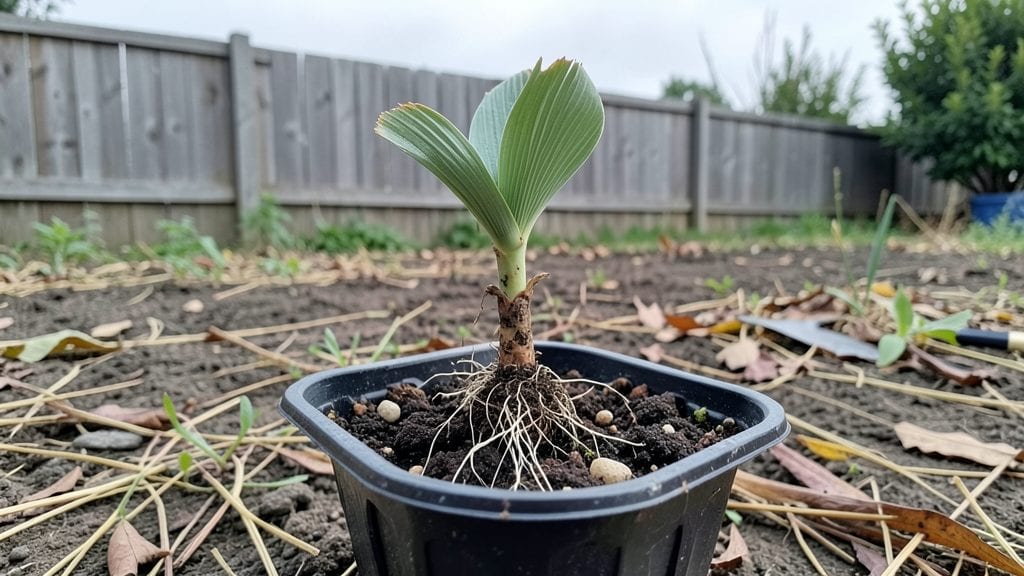
Growing palm seeds brings the tropics to your yard—if you’re willing to wait. 🌴 I’ve nurtured three different palm varieties from seed, and the patience pays off when you see that first frond unfurl after months of careful tending.
The key isn’t just planting; it’s creating the exact conditions these seeds demand to break dormancy and sprout.
You’ll need a warm spot (75–85°F), constant moisture without drowning the seed, and a container with drainage. Most people rush germination by overwatering or using cold soil—both kill progress. I’ve learned the hard way that palm seeds need humidity levels above 60% to even crack open, let alone grow roots.
Start with a clear plastic bag over the pot to trap moisture until sprouts appear.
Once a sprout breaks through, expect a slow start—some palms take 6–12 months just to reach 6 inches. But the payoff is worth it: a 10-foot tropical tree that thrives in your climate zone, whether outdoors in warm areas or as a dramatic indoor statement plant.
The real magic happens when you see that first fan-shaped frond emerge—proof you’ve unlocked a piece of the jungle.
Not all palms suit your space. Dwarf palms like Chamaedorea elegans grow well indoors, while outdoor species like Sabal palmetto need full sun and frost-free winters.
Choose your seed carefully, and be ready for the long game—this isn’t a quick harvest, but a living legacy. Let’s get those seeds sprouting right.
📚 In This Guide
- What you need
- Instructions
- Tips and common mistakes
- Wrapping up and next steps
What you need
- ● Fresh palm seeds: Choose healthy, plump seeds (preferably from mature palms). Quantity: 1–3 seeds per pot.
- ● Well-draining potting mix: A blend of 50% peat moss or coconut coir, 30% perlite or coarse sand, and 20% compost. Quantity: Enough to fill a 6–12" pot.
- ● Small pots or seed trays: Size: 4–6" diameter for germination, with drainage holes.
- ● Plastic wrap or clear lid: To create a humid microclimate.
- ● Spray bottle: For gentle watering (avoid soaking).
- ○ Heat mat (optional but helpful): Temperature: 75–85°F (24–29°C) to speed up germination.
- ● Grow lights or sunny window: Lighting: 12+ hours of bright, indirect light daily.
- ● Pruning shears or knife: For carefully removing seed husks.
- ● Fertilizer (balanced, low-nitrogen): Example: 5-5-5 or 10-10-10, diluted to half-strength. Use: After 3–4 months.
- ● Humidity dome or plastic bag: For maintaining moisture (if no lid is available).
- ● Larger container (1+ gallon): For transplanting seedlings after 6–12 months.
- ○ Support stake (optional): If growing tall palms like coconut or royal palms.
Step-by-Step instructions for growing palm seeds
Here's the straightforward method I've used to nurture healthy palm seedlings from seeds.
🌱 Step 1: Extract and Prepare the Palm Seed
Start by carefully removing the seed from its fibrous husk. Palm seeds often come encased in a tough outer layer that needs to be peeled away to expose the hard, brown nut inside. Use a sharp knife to gently cut along the seams—don't rush this, or you might crack the seed itself.
Once exposed, soak the seed in warm water for 24-48 hours. This softens the outer shell and kickstarts germination. Change the water halfway through to prevent bacterial growth. You'll know it's ready when the seed feels slightly softer and starts to develop a small crack or sprout.
💧 Step 2: Plant the Seed in a Moist Growing Medium
Fill a small pot or seed tray with the coconut coir mix, leaving about 1 inch of space at the top. Moisten the mix until it's damp but not soggy—think of a wrung-out sponge. Plant the seed ½ inch deep, with the pointed end facing upward. Gently press the soil around it to secure it in place.
Place the pot in a warm, humid environment. I like to use a clear plastic bag loosely draped over the pot to trap moisture, but avoid sealing it completely—you want airflow to prevent mold. Keep the soil consistently moist, but never waterlogged. You'll see signs of germination in 2-6 weeks, depending on the palm species.
☀️ Step 3: Provide Warmth and Indirect Light
Palm seeds thrive in 75-85°F temperatures, so place the pot in a warm spot, like near a sunny window or under a grow light. Avoid direct sunlight at first—it can scorch the delicate sprout. Instead, give it bright, indirect light for the first 2-3 weeks.
Watch for the first signs of growth: a small shoot will emerge from the top of the seed, followed by the roots pushing downward. Once the shoot reaches about 2 inches tall, you can gradually introduce more light. If the leaves start yellowing or stretching, it's a sign the seedling needs more light or warmth.
🪴 Step 4: Transplant to a Larger Container
When the seedling grows its third or fourth leaf and the roots fill the small pot, it's time to transplant. Choose a 6-inch pot with drainage holes and fill it with the potting mix. Gently remove the seedling from its current pot, being careful not to damage the roots, and place it in the center of the new container.
Fill in around the roots with soil, pressing lightly to remove air pockets. Water thoroughly after transplanting to help the seedling settle into its new home. Keep it in a warm, humid spot for the first week to reduce stress. After that, you can gradually increase its exposure to outdoor conditions if you're growing it in a tropical climate.
⏰ Step 5: Maintain and Gradually Acclimate
Palm seedlings need consistent care as they grow. Keep the soil moist but not waterlogged, and fertilize lightly every 2 months with a balanced, water-soluble fertilizer. As the seedling matures, you'll notice new fronds unfurling—this is a good sign of healthy growth.
If you're growing outdoors, harden off the seedling by placing it outside for a few hours each day, gradually increasing the time over 2-3 weeks. Watch for signs of stress like wilting or browning leaves, and adjust its exposure accordingly. With patience, your palm seedling will grow into a stunning tropical tree!
Tips & tricks for growing palm seeds
A few simple tricks can make all the difference between a thriving palm seedling and a disappointing failure. I've learned these the hard way after watching several seeds fail to sprout.
The Soaking Secret: During the 24-48 hour soaking period in Step 1, place the seed in a container with a small amount of water—just enough to cover the seed by about an inch. The water should feel warm to the touch, around 85°F. I like to use a small glass jar because it lets me easily monitor the seed for any signs of mold or bacterial growth. Change the water halfway through to keep it fresh, and gently swirl the jar to prevent stagnation. You'll know it's ready when you see a tiny crack or a tiny white sprout emerging—this is your signal to plant immediately!
Planting Position Matters: When planting in Step 2, pay close attention to the seed's orientation. The pointed end should always face upward—this is where the shoot will emerge. I've made the mistake of planting seeds upside down, which can lead to stunted growth or no growth at all. After planting, press the coconut coir mix gently around the seed to secure it without compacting the soil too much. This creates a stable environment while still allowing air and moisture to reach the seed.
Humidity Hack: Creating the right humidity environment in Step 2 can be tricky. While a loosely draped plastic bag works well, I've found that placing a small tray of water near the pot (but not touching it) can help maintain humidity without the risk of mold. If you notice condensation forming on the inside of the bag, that's a good sign—it means you've got the right balance of moisture and airflow. Remember to remove the bag once the sprout appears to prevent the seedling from becoming too damp as it grows.
Light Transition Strategy: In Step 3, when you're ready to transition from bright indirect light to more direct sunlight, do it gradually. I start by moving the seedling closer to the window for just an hour a day, then increase by 30 minutes each subsequent day. This slow acclimation helps prevent sunburn on the delicate new leaves. Watch for signs like yellowing or curling leaves—they're your cues to slow down the transition or provide more shade. A grow light can be a lifesaver if you don't have a naturally bright spot in your home.
Pro Tips for Grow Palm Seeds
- A few simple tricks can make all the difference between a thriving palm seedling and a disappointing failure.
- The Soaking Secret: During the 24-48 hour soaking period in Step 1, place the seed in a container with a small amount of water—just enough to cover the seed by about an inch.
- Planting Position Matters: When planting in Step 2, pay close attention to the seed's orientation.
Frequently asked questions
Got questions about growing palm seeds? You’re not alone—this tropical adventure can feel tricky at first! Below, we’ve rounded up the most common queries to help you navigate the process with confidence.
How long does it take for a palm seed to sprout?
A palm seed can take anywhere from 2 weeks to 6 months to sprout, depending on the species, moisture levels, and temperature. Some seeds (like coconut) germinate faster, while others (like royal palms) may take longer. Patience is key—keep the soil consistently moist and warm!
What if my palm seed rots instead of sprouting?
Rotting is often caused by overwatering or poor drainage. If you notice mold, a foul smell, or a mushy seed, act fast! Remove the seed from the soil, let it dry for a day, and replant it in fresh, well-draining potting mix. Avoid soggy conditions—palm seeds need airflow too!
Can I grow palm seeds indoors year-round?
Yes, but with caveats! Most palm seeds thrive in warmth (70–90°F), so a sunny windowsill or a grow light works well. However, if your indoor space is too dry (common with HVAC systems), supplement with a humidity tray or misting. For outdoor planting, wait until spring or summer when frost isn’t a risk.
Are there any palm seeds that grow faster or easier for beginners?
Coconut (Cocos nucifera)
and date palm (Phoenix dactylifera) seeds are beginner-friendly—they germinate relatively quickly and tolerate a bit more neglect. Avoid delicate species like Chamaedorea (parlor palms) for your first try; they’re fussier but stunning once established.
What do I do if my palm seedling grows too slowly?
Slow growth usually means low light, poor nutrition, or root-bound conditions. Move your seedling to a brighter spot (but avoid harsh afternoon sun) and fertilize lightly with a balanced palm fertilizer every 2–3 months. If roots are circling, repot into a slightly larger container with fresh soil.
Can I plant palm seeds directly outside, or should I start indoors?
For most palm species, starting indoors is ideal—especially in colder climates. Seedlings are delicate and need protection from frost, pests, and harsh weather. Once they’re 1–2 feet tall and sturdy (usually after 6–12 months), transplant them outdoors in spring after the last frost.
Wrapping up and next steps
Growing palm seeds into thriving tropical trees is a rewarding journey that blends patience, care, and a touch of green-thumb magic! 🌱 By following the right steps—from soaking and sowing to nurturing with warmth and humidity—you’re not just planting a seed; you’re cultivating a piece of paradise. Remember: consistency is key, and even the smallest efforts can yield lush, leafy results over time.
Ready to watch your tiny seedling transform into a stunning palm? Start small—maybe with just one seed—and let your passion grow! Once your palm takes root, explore expanding your collection or sharing tips with fellow plant enthusiasts. The tropics are waiting—your backyard adventure begins now! 🌴✨