Size
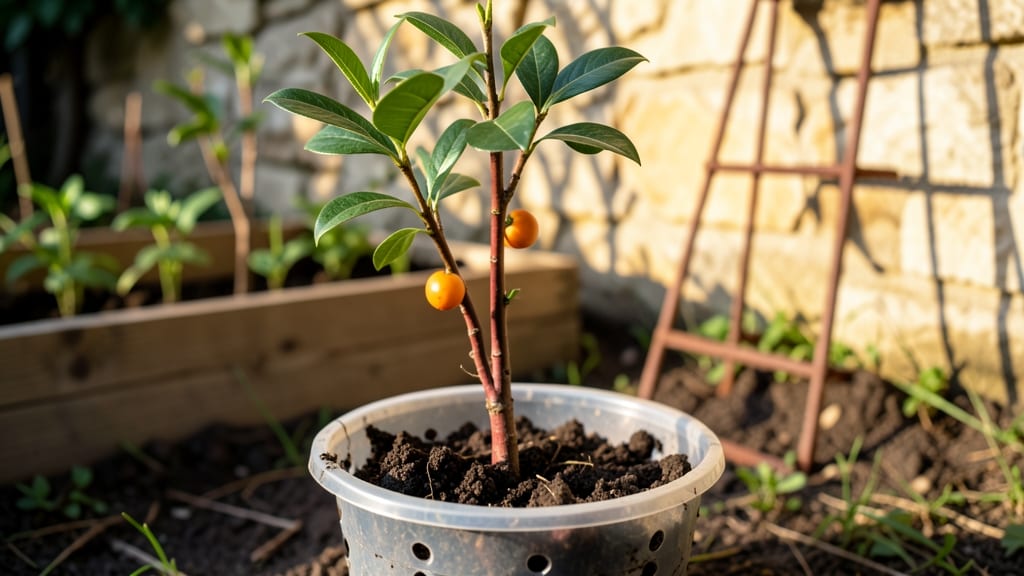
Growing persimmon seeds from kitchen scraps gives you a free, long-lived fruit tree that outlasts most gardeners. 🌱 I’ve started dozens from grocery store rejects, and the secret isn’t fancy equipment—it’s knowing exactly when to soak those seeds and how to trick them into breaking dormancy.
The hardest part is patience—germination can take 6-12 weeks, and early growth is slow. But once those first leaves appear, you’re on the fast track to a tree that’ll produce fruit in 5-8 years.
You’ll need a sunny spot, well-draining soil, and a little winter protection for young seedlings, but the payoff is worth it.
By the time your tree matures, you’ll have bright orange fruit hanging heavy on the branches—sweet when fully ripe, but rock-hard if picked too soon. The best part? Persimmons thrive in containers too, so even small spaces can grow these hardy trees.
Fair warning: These trees grow 20-30 feet tall, so plan your planting spot carefully. But if you’ve got the space, you’re about to start a fruit-bearing legacy that’ll keep giving for decades.
📚 In This Guide
- What you need
- Instructions
- Tips and common mistakes
- Wrapping up and next steps
What you need
- ● Persimmon seeds: 3–5 fresh, plump seeds (harvested from ripe fruit—not from store-bought, as they may be treated).
- ● Well-draining potting mix: 1–2 gallons of a blend like 50% peat moss or coconut coir + 50% perlite or vermiculite.
- ● Small seed-starting trays or pots: 4–6" diameter with drainage holes (or biodegradable peat pots).
- ● Grow lights or sunny windowsill: Access to 6+ hours of indirect light daily (or a 12-hour grow light setup).
- ● Spray bottle: For gentle watering (avoid oversaturation).
- ● Plastic wrap or humidity dome: To retain moisture while seeds germinate.
- ○ Fertilizer (optional): Balanced liquid fertilizer (e.g., 10-10-10) for seedlings, diluted to half-strength.
- ● Seed stratification kit (if sowing in cooler climates—persimmons need a cold period to germinate).
- ● Heat mat (70–80°F range) to speed up germination.
- ● Larger nursery pots (1–2 gallons) for transplanting seedlings.
- ● Mulch (wood chips or straw) for outdoor planting in warmer months.
- ● pH test kit (ideal soil pH: 6.0–7.0 for persimmons).
Step-by-Step instructions for growing persimmon trees from seeds
Turn those ripe persimmons into a future fruit tree with this simple, reliable method.
🌱 Step 1: Extract and Prepare the Seeds
Cut open a fully ripe persimmon and scoop out the seeds, being careful not to damage them. Rinse the seeds thoroughly under cool water to remove any pulp clinging to their surfaces. This step is crucial because leftover fruit sugars can cause mold during germination.
Place the cleaned seeds on a paper towel and let them air-dry for 48 hours in a warm, dry spot. They're ready when the outer coating feels slightly leathery but not brittle. This drying process mimics nature's way of preparing seeds for dormancy and improves germination rates.
💧 Step 2: Stratify Seeds for Successful Germination
Fill a small container with damp sphagnum moss or a mix of sand and peat (about 2 parts sand to 1 part peat). Bury the seeds 1 inch deep in the mix, spacing them about 2 inches apart. This stratification mimics winter conditions and breaks seed dormancy.
Place the container in a plastic bag and seal it loosely. Store it in your refrigerator's crisper drawer for 6-8 weeks. Check the mix every 2 weeks—it should stay moist but not soggy. You'll know stratification worked when tiny white roots appear at the seed base after about 4-6 weeks.
☀️ Step 3: Plant Stratified Seeds in Pots
Once the seeds have sprouted roots, fill 4-inch diameter pots with a mix of 50% potting soil and 50% perlite. This blend drains well while retaining enough moisture for tender roots. Plant each seedling ½ inch deep, covering the roots but leaving the seed coat exposed above soil level.
Water gently until moisture seeps from the drainage holes. Place the pots in a warm spot with bright, indirect light—a south-facing window works well. Keep the soil consistently moist but never waterlogged. You'll see the first true leaves emerge in 4-6 weeks.
🪴 Step 4: Transplant Seedlings to Larger Containers
When seedlings reach 6-8 inches tall with several sets of leaves, move them to 1-gallon containers filled with regular potting mix. Dig a hole twice as wide as the root ball and gently place the seedling in, firming soil around the base. This step prevents root circling that can stunt growth.
After transplanting, water thoroughly and place the pots in full sun for at least 6 hours daily. Persimmon seedlings need strong light to develop sturdy stems. You'll notice new growth within 2-3 weeks—this is your signal that the plant is adapting well.
⏰ Step 5: Acclimate and Plant Outdoors
Wait until all danger of frost has passed in your area before moving seedlings outside. Start by placing them in a sheltered spot for 1 hour daily, gradually increasing exposure over 2 weeks. This hardening-off period prevents shock from sudden temperature changes.
Choose a planting site with full sun and well-draining soil. Dig a hole twice as wide as the container but no deeper. Gently remove the seedling, place it in the hole, and backfill with soil, tamping lightly to remove air pockets. Water deeply to settle the soil around roots.
Tips & tricks for growing persimmon trees from seeds
Here's what I learned after growing persimmon trees from kitchen scraps—these tricks will help you avoid common pitfalls and maximize your success.
Seed Preparation: After rinsing the seeds in Step 1, I learned to test their readiness by gently pressing them with your thumbnail. They should feel firm but slightly soft—not hard like a stone. If they're still too soft after 48 hours, let them dry an extra 12-24 hours. Over-drying can crack the seed coat, so aim for that perfect leathery texture.
Stratification Secrets: Don't skip the 6-8 week cold treatment in Step 2—this is absolutely critical for breaking dormancy. I've tried planting unstratified seeds, and they either rot or take months to sprout. For extra insurance, label your container with the date and place it on a shelf in your fridge where you'll actually remember to check it every 2 weeks. A damp paper towel tucked under the container helps maintain consistent moisture.
Lighting Strategy: When your seedlings emerge in Step 3, bright indirect light is key. I use a simple grow light on a timer (12 hours on, 12 hours off) if natural light isn't sufficient. Watch for leggy seedlings—this happens when they're stretching toward light. If this occurs, move them closer to the light source or supplement with artificial light immediately.
Transplanting Timing: The 6-8 inch height guideline in Step 4 is perfect, but pay attention to leaf development too. You want at least 4-5 sets of true leaves before transplanting. I've found that waiting until you see small side shoots forming means the root system is strong enough to handle the move. When repotting, gently squeeze the sides of the old pot to encourage roots to spread outward—this prevents root circling in the new container.
Pro Tips for Grow Persimmon Seeds
- Here's what I learned after growing persimmon trees from kitchen scraps—these tricks will help you avoid common pitfalls and maximize your success.
- Seed Preparation: After rinsing the seeds in Step 1, I learned to test their readiness by gently pressing them with your thumbnail.
- Stratification Secrets: Don't skip the 6-8 week cold treatment in Step 2—this is absolutely critical for breaking dormancy.
Frequently asked questions
about growing persimmon seeds—because every gardener deserves a little clarity!How long does it take for persimmon seeds to sprout?
Most persimmon seeds sprout within 2–4 weeks if kept warm (70–80°F) and moist. Patience is key—some stubborn seeds may take up to 6 weeks. If nothing happens after a month, check for mold or rot and try fresh seeds.
Can I grow persimmons indoors?
Yes! Start seeds indoors 8–10 weeks before the last frost using a sunny windowsill or grow light. Once seedlings have 3–4 leaves, transplant them outdoors after temperatures stabilize. Just ensure they get 6+ hours of sunlight daily.
What if my persimmon seed doesn’t sprout?
Try these fixes:
- Soak seeds in warm water for 24 hours before planting.
- Check for hard seed coats—lightly sandpaper them to help moisture penetrate.
- Use a seedling heat mat (70–80°F) to speed germination.
- If mold appears, rinse seeds and replant in fresh, sterile soil.
Do persimmons need a cold period to fruit?
Most persimmon varieties (like Diospyros kaki) require 200–500 chill hours (below 45°F) to produce fruit. If you live in a warm climate, choose non-chill types like Fuyu or Hachiya—they’re easier to grow!
Can I eat persimmons from seed-grown trees?
Technically yes, but seed-grown persimmons may take 5–7 years to bear fruit, and the fruit might not match the parent plant’s flavor or size. For consistent results, graft a named variety onto your seedling later. Patience pays off—just imagine homegrown, sweet persimmons!
Wrapping up and next steps
Growing a persimmon tree from seeds is a rewarding journey that turns kitchen scraps into a thriving fruit-bearing plant! With patience, the right conditions, and a little care, you’ll soon enjoy the sweet taste of homegrown persimmons. Start small—plant those seeds today—and watch your garden bloom with tropical beauty! 🌱✨
Ready to take the next step? Share your progress with fellow gardeners, or explore advanced tips like grafting for faster fruiting. Happy growing!