Pruning
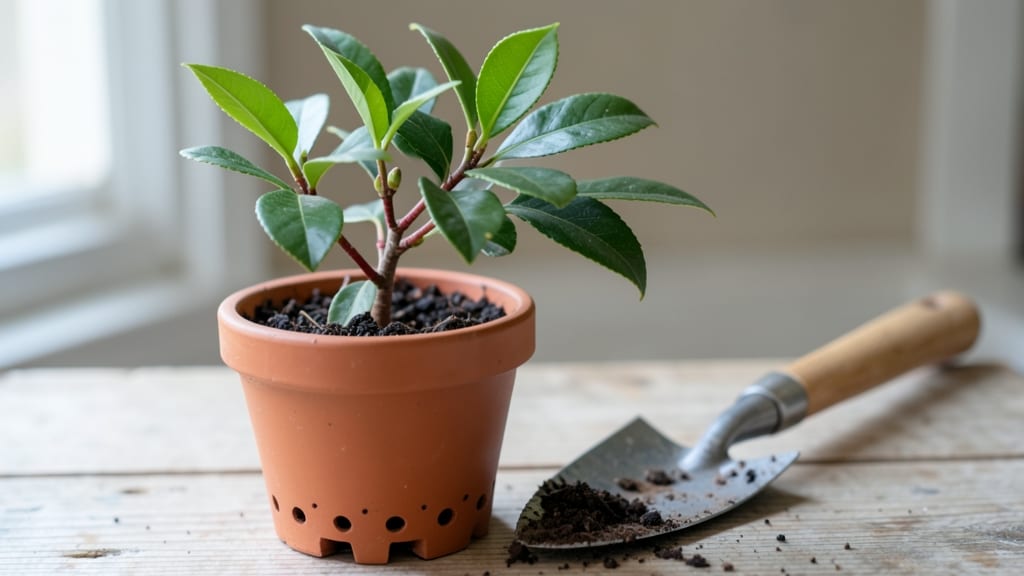
Growing a lychee tree from seedling to fruiting plant starts with understanding its tropical soul. 🌿 I’ve watched these delicate seedlings transform into sturdy saplings, and the key is patience—lychees don’t rush, but with the right care, they reward you with exotic fruit in 5-7 years.
The first challenge is germination, where temperature and moisture must align perfectly to coax that first green shoot from the pit.
You’ll need fast-draining, slightly acidic soil (think 5.5-6.5 pH) mixed with perlite to mimic their native tropical conditions. A sunny spot with at least 6 hours of direct light daily is non-negotiable—these trees crave warmth like a desert craves water.
Overwatering is the silent killer; let the top inch of soil dry between waterings, and always use room-temperature water to avoid shocking the roots.
Transplanting is where most seedlings meet their match—root disturbance stresses them, so use a pot 2-3 inches larger than the seedling’s root ball and handle them like glass. The first few months focus on steady growth: expect slow but steady progress, with new leaves signaling healthy development.
By year two, your sapling will start flexing its tropical muscles, growing 12-18 inches annually if conditions are ideal.
Here’s the plot twist: lychees are finicky about humidity. If your climate isn’t naturally tropical, misting leaves or placing a tray of water nearby mimics their rainforest roots. Common pitfalls include fungal issues from soggy soil or leggy growth from insufficient light—both fixable with adjustments.
Stick with it, and you’ll be harvesting fruit within a decade (yes, it’s a marathon, not a sprint).
📚 In This Guide
- What you need
- Instructions
- Tips and common mistakes
- Wrapping up and next steps
What you need
- ● Lychee seed: 1-2 fresh, plump seeds (harvested from ripe lychee fruit). Pro tip: 💡 Save seeds from organic lychees for best results!
- ● Potting soil: 1 small pot (4-6 inches in diameter) filled with well-draining, sterilized potting mix (e.g., 50% coconut coir + 50% perlite or sand).
- ● Seedling tray or biodegradable pot: 1 (for transplanting later).
- ● Spray bottle: For gentle watering.
- ● Plastic wrap or humidity dome: To maintain moisture.
- ● Grow lights or sunny windowsill: Lychee seedlings need bright, indirect light (12+ hours/day).
- ○ Fertilizer (optional but helpful): A balanced liquid fertilizer (e.g., 10-10-10) diluted to half-strength for young seedlings.
- ● Pruning shears: Small, sharp pair for future trimming.
- ○ Thermometer (optional): To monitor soil temperature (ideal: 70-85°F for germination).
- ● Patience & warmth: Lychee seeds can take 4-12 weeks to sprout—consistency is key!
Step-by-step instructions for growing a lychee tree seedling
Here's how I transform a tiny lychee seed into a sturdy sapling ready for transplanting.
🌱 Step 1: Extract and Prepare the Seed
Start with a fresh lychee fruit—select one with a plump, firm seed inside. Crack open the shell carefully with pliers, then rinse the seed under lukewarm water to remove any lingering fruit residue. The seed's outer husk must stay intact; it protects the embryo during germination. Place it between two paper towels and fold them over the seed to create a snug wrap.
Moisten the towels with warm water (not hot) until damp but not soaking. This mimics the tropical humidity the seed expects. I like to use a plastic bag to loosely cover the towels—this traps just enough moisture while allowing airflow. Store the wrapped seed in a warm, dark place like the top of your fridge or a seedling heat mat set to 75-80°F.
💧 Step 2: Germinate and Monitor Sprouting
Check the seed daily for signs of sprouting, which can take 2-6 weeks. You'll see a tiny white root emerge first, followed by a small shoot. Once the root reaches about ½ inch long and the shoot shows first true leaves (not the initial seed leaves), it's ready for planting. The seedling is delicate at this stage—handle it gently to avoid damaging the emerging root.
If the towels dry out, mist them lightly with warm water and return to the warm, dark spot. Overwatering here causes rot, so only add moisture when the towels feel dry to the touch. I've found that patience pays off—rushing germination by moving the seed too soon stunts growth.
🪴 Step 3: Plant in a Well-Draining Container
Fill a 4-inch diameter pot with a mix of 50% peat moss and 50% perlite to ensure excellent drainage. Lychee seedlings despise soggy roots, so avoid garden soil entirely. Gently remove the seedling from the towels, keeping the root intact, and plant it 1 inch deep in the mix. Press the soil lightly around the base to secure it without compacting.
Place the pot in a location with bright, indirect light—a south-facing window works well if it's not scorching. Avoid direct sun at this stage; it stresses the young plant. Water the soil until it's evenly moist, then let it dry slightly at the surface before watering again. You'll know it's ready when the top ½ inch feels slightly dry to your fingertip.
☀️ Step 4: Transition to Full Sun and Fertilize Lightly
After 4-6 weeks, when the seedling shows 4-6 true leaves, gradually introduce it to morning sun for 1-2 hours daily. Over the next two weeks, extend the sunlight exposure until the plant tolerates 6+ hours of direct sun. This hardening process prevents leaf scorch and strengthens the stem.
Once acclimated, feed the seedling with a diluted liquid fertilizer (half-strength) every 4-6 weeks during the growing season. I use a balanced 10-10-10 formula to encourage even growth. Watch for yellowing leaves—this signals over-fertilization. Reduce feeding immediately if you see this happen.
⏰ Step 5: Prune and Prepare for Transplanting
When the seedling reaches 12-18 inches tall with a ½-inch thick stem, it's ready for its first pruning. Use clean, sharp scissors to trim any leggy growth or crowded branches at a 45-degree angle just above a leaf node. This encourages bushier growth and prevents weak, floppy stems.
Choose a 6-inch diameter pot for the next transplant, using the same peat-perlite mix. Water the seedling thoroughly the day before repotting to minimize stress. Gently lift it from the old pot, loosen the root ball, and place it in the new container at the same depth it was growing before. This ensures the stem doesn't rot from being buried too deep.
Tips & tricks for perfect lychee tree seedling growth
Transforming a lychee seed into a thriving sapling requires patience and precision—here's how to avoid common pitfalls and maximize success at every stage.
Temperature Control: Maintaining that 75-80°F range during germination is non-negotiable. I've learned the hard way that cooler temperatures slow germination to a crawl, while warmer spots can cause the seed to rot before sprouting. If your kitchen stays below 70°F, consider using a seedling heat mat or placing the wrapped seed near a sunny window during daylight hours. The goal is to mimic the tropical climate where lychee trees naturally thrive—consistent warmth is key.
Moisture Management: The paper towel method works beautifully, but finding the right balance is everything. Your towels should feel damp like a wrung-out sponge—not dripping wet. I've found that misting with warm water (never cold) every other day maintains perfect humidity without risking rot. Pro tip: Use a plastic bag as a loose cover to trap moisture while still allowing airflow—this creates the ideal microclimate for germination.
Light Transition Strategy: When moving your seedling from indirect light to full sun in Step 4, take it slow. Start with just 1-2 hours of morning sun and gradually increase exposure over two weeks. I've seen seedlings go from vibrant green to crispy brown in a single day when rushed. Think of it like sunbathing—your lychee sapling needs to build up a tolerance to avoid sunburn. Position it where it gets gentle morning rays first, then gradually move it to sunnier spots.
Pruning Precision: When your seedling reaches 12-18 inches and you're ready for the first pruning, pay close attention to the 45-degree angle cut. This angle prevents water from pooling at the cut site, which could lead to rot. I always sterilize my scissors with rubbing alcohol between cuts to prevent bacterial contamination. Focus on removing leggy growth or crowded branches—this encourages bushier growth and stronger stems. Remember, you're shaping the foundation for your future fruit tree!
Pro Tips for Lychee Tree Seedling
- Transforming a lychee seed into a thriving sapling requires patience and precision—here's how to avoid common pitfalls and maximize success at every stage.
- Temperature Control: Maintaining that 75-80°F range during germination is non-negotiable.
- Moisture Management: The paper towel method works beautifully, but finding the right balance is everything.
Frequently asked questions
How long does it take for a lychee seedling to grow from seed to a sapling?
A lychee seedling typically takes 12–18 months to mature into a sapling (around 2–3 feet tall) if grown from seed. Patience is key—lychee trees are slow starters! For faster results, consider grafting a mature variety onto your seedling once it’s sturdy enough (usually after 1–2 years).
Can lychee seedlings survive cold weather?
Lychee seedlings are tropical and struggle in temps below 30°F (-1°C). If you live in a colder climate, grow them in containers and move them indoors or to a greenhouse during winter. Young seedlings are especially vulnerable—harden them gradually to avoid shock.
What’s the best soil mix for lychee tree seedlings?
Use a well-draining, slightly acidic mix (pH 5.0–6.5) with:
- 50% peat moss or coconut coir (for moisture retention)
- 30% perlite or sand (for drainage)
- 20% compost or aged manure (for nutrients)
Why isn’t my lychee seedling growing? Troubleshooting tips.
Common issues and fixes:
- Yellow leaves: Overwatering or poor drainage. Let soil dry slightly between waterings.
- Stunted growth: Low light or nutrients. Move to bright, indirect sunlight (6+ hours/day) and fertilize lightly with a balanced 10-10-10 mix every 4–6 weeks.
- Brown tips: Dry air or fluoride buildup. Mist leaves or use rainwater.
Can I grow a lychee tree indoors?
Yes, but it’s challenging! Lychees need humidity (60%+), warmth (70–85°F), and strong light. Place near a south-facing window or use a grow light for 12+ hours/day. A humidifier or pebble tray helps mimic tropical conditions. Expect slower growth indoors—outdoor transplantation is ideal once the seedling outgrows its pot.
Wrapping up and next steps
Growing a lychee tree seedling from seed to sapling is a rewarding journey that brings a taste of the tropics to your garden! With the right materials, patience, and care, you’ll nurture a thriving young tree that could one day bear delicious fruit.
The key is consistency—whether it’s maintaining humidity, protecting from pests, or providing proper light.
Now that you’re armed with knowledge, take the next step! Start with a single seedling and watch it grow. Before you know it, you’ll be pruning, training, and—if you’re lucky—enjoying homegrown lychees. Happy planting! 🌱✨