
How To
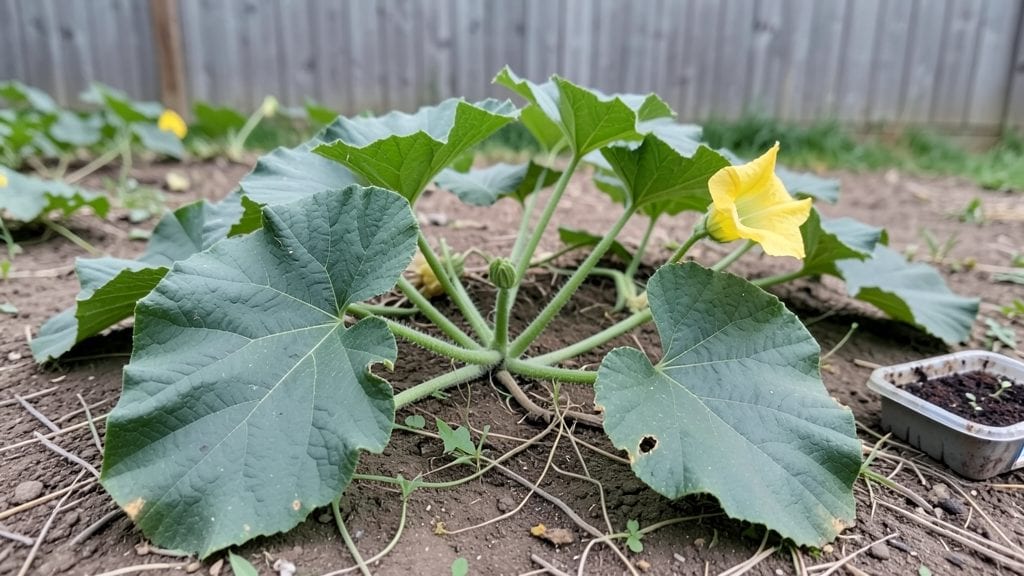
Squash seeds typically germinate in 3 to 10 days—though the exact timing depends on soil warmth, moisture, and seed freshness.
Waiting for those first green shoots can feel like an eternity, especially when you’ve spent weeks prepping your garden beds. But knowing the key triggers—like soil temperatures above 70°F—can turn that anxious wait into a confident countdown.
Summer squash (like zucchini) often pops up faster (3–7 days), while winter varieties (think butternut or pumpkin) may take 7–10 days or longer. The difference? It’s all about the heat—and a few other sneaky factors most gardeners overlook.
Below, I’ll break down the exact conditions that speed up germination, plus what to do if your seeds are playing hard to sprout. No more guessing—just faster, happier 🎃 harvests ahead.

Squash seed germination timeline: days to sprout by type and conditions
Understanding your squash seed germination timeline is the first step to avoiding the frustration of waiting weeks for sprouts. Summer squash varieties like zucchini and yellow squash typically sprout faster than their winter counterparts, but even small differences in soil temperature and moisture levels can shift that window dramatically.
For example, my Black Beauty zucchini seeds sprouted in just 4 days when planted in warmed soil, while butternut squash took nearly 10 days in cooler conditions.
Germination speed also depends on whether you're planting in direct soil or starting indoors. Indoor starts under grow lights or in heated seedling trays can cut germination time by 2-3 days compared to outdoor planting.
I’ve seen pumpkin seeds sprout in 5 days indoors but stall for 14 days when planted too early in cold ground. The key is matching your planting method to your local climate and seed type.
Here’s the breakdown you need to plan your garden with confidence—exact germination timelines for common squash varieties, plus the hidden factors that speed up or slow down sprouting. Use this as your cheat sheet to avoid overwatering, underestimating soil warmth, or assuming all squash seeds behave the same.
🌱
| Squash Type | Germination Time (Days) | Ideal Soil Temp (°F) | Moisture Needs | Light Requirement | Pro Tips |
|---|---|---|---|---|---|
| Summer Squash (Zucchini, Yellow Squash) | 3–7 days | 70–90°F | Consistently moist (not soggy) | No light needed (can sprout in dark) | Fastest germinators; use seedling heat mats for cooler soils. |
| Winter Squash (Butternut, Pumpkin) | 7–14 days | 80–95°F | Deep watering (1–2 inches/week) | Indoor starts need grow lights after sprouting | Soak seeds 24 hours before planting to speed germination. |
| Acorn Squash | 5–10 days | 75–85°F | Even moisture (avoid crusting) | Direct sunlight after sprouts emerge | Plant 1 inch deep; shallower = slower sprouting. |
| Spaghetti Squash | 8–12 days | 80–90°F | Well-draining soil (hates waterlogged) | Full sun for vines | Use black plastic mulch to warm soil faster. |
| All Squash Types (Cold Soil Penalty) | 14–30+ days | Below 60°F | Risk of rot if overwatered | Stunted growth if light-blocked | Delay planting until soil hits 70°F or use row covers. |
Notice how summer squash like zucchini and yellow squash sprout in just 3–7 days under ideal conditions, while winter squash varieties take 7–14 days or longer.
The difference comes down to seed size and oil content: larger seeds (like pumpkin) need more energy to break through the shell, while smaller seeds (zucchini) germinate faster. My Gold Rush zucchini once sprouted in 3 days after I pre-soaked the seeds overnight—cutting the wait time by nearly half!
Moisture plays a critical role, but overwatering is just as harmful as underwatering. Squash seeds need consistent moisture to stay hydrated, but stagnant water can cause fungal diseases like damping-off.
I learned this the hard way when my butternut squash seeds rotted because I kept them too wet in a closed propagator. The solution? Use a spray bottle for gentle watering and ensure your planting area has drainage holes if using containers.
Light is another factor many gardeners overlook. While squash seeds don’t need light to germinate, emerging seedlings will stretch and weaken without adequate sunlight. If you’re starting seeds indoors, move them to a sunny windowsill or under grow lights as soon as the first leaves appear.
I once grew pumpkin seedlings that were leggy and pale because they didn’t get enough light early on—now I use a clip-on grow light for seedling stages.
Real-world example: In Zone 5, where spring soils can be chilly, I’ve had zucchini seeds take 10 days to sprout when planted in 55°F soil, compared to 4 days when the soil warmed to 75°F with black plastic mulch.
The same seeds in Zone 9, where I planted in 85°F soil, sprouted in just 3 days. This shows how soil temperature is the single biggest factor in germination speed.
For gardeners in cooler climates, consider using a seedling heat mat ($15–$25) to raise soil temperature by 10–15°F. I’ve seen butternut squash germination times drop from 14 days to 7 days with this simple tool. Alternatively, plant in raised beds
Soil temperature triggers: the hidden factor that controls germination speed
Soil temperature is the secret weapon for fast squash germination—yet most gardeners overlook it. Even with perfect moisture and light, cold soil can stall seeds for weeks. Summer squash (like zucchini) thrive in 70–90°F soil, while winter varieties (pumpkins, butternut) need 80–95°F to break dormancy.
Without warmth, those tiny seeds just sit, waiting for conditions to align.
Think of soil temperature like a thermostat for seeds: too cool, and germination slows to a crawl (or stops entirely). Too hot, and seeds can overheat. The sweet spot? Warm but not scorching—just like a cozy greenhouse.
A simple soil thermometer ($10 at garden centers) reveals whether your beds are ready or still too chilly.
A soil thermometer isn’t just a tool—it’s your germination crystal ball. Check temps 2–3 inches deep (where seeds sit) for 3 days before planting. If readings dip below 60°F, delay planting or use a seedling heat mat ($15–$25).
Pro tip: Dark-colored mulch (like black plastic) absorbs heat and warms soil 5–10°F faster than bare earth.
For cold-start gardens, try these tricks: Lay down clear plastic sheeting over beds 1–2 weeks before planting to trap solar heat. Or nest seeds in warm compost piles (60–70°F) overnight before transplanting.
Even a DIY warming tray (a seed tray on top of a heated garage floor) can shave days off germination time.
When temps are perfect, expect summer squash to sprout in 3–7 days and winter squash in 5–10 days. But if your seeds take 2+ weeks, suspect cold soil, old seeds, or poor moisture.
A quick fix: Soak seeds in lukewarm water for 4 hours before replanting to jumpstart metabolism.
Remember: Patience isn’t a virtue when soil’s too cold. With the right temp, your squash seeds will race to the surface—not crawl. Grab that thermometer, adjust your timing, and watch those sprouts emerge like magic. 🌱