
Aphids
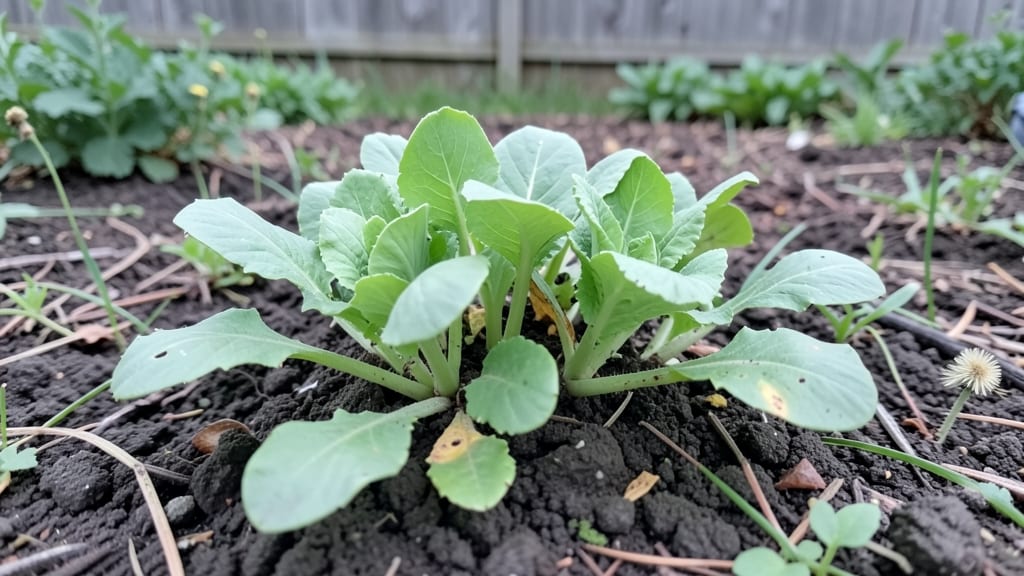
Understanding lettuce seedling stages turns a guessing game into a predictable harvest. 🌱 From the first tiny sprout to the crisp leaves you’ll pull straight from the garden, each phase has its own care needs—and I’ve tracked them all so you don’t have to learn by trial and error.
The journey starts with germination, where those first leaves appear in just 5-7 days if your soil stays warm and moist. Then come the true leaves—round, smooth, and vibrant green—signaling it’s time to thin seedlings.
Leggy stems? That’s your cue to boost light immediately, or you’ll end up with weak plants that flop over.
By the 4-6 week mark, your seedlings should have 4-6 true leaves and a sturdy stem, ready for transplanting. The key is keeping soil consistently damp but not soggy—overwatering here is what causes damping off, the silent killer of young plants.
With the right care, you’ll go from seed to harvest-ready lettuce in 6-8 weeks.
This method works for all lettuce types—loose-leaf, romaine, or butterhead—whether you’re growing in containers or straight in the garden. Let’s break down each stage so you can spot exactly what healthy growth looks like.
📚 In This Guide
- What you need
- Instructions
- Tips and common mistakes
- Wrapping up and next steps
What you need
- ● Lettuce seeds: Choose a variety like Buttercrunch, Romaine, or Leaf Lettuce (1 packet, ~50-100 seeds).
- ● Seed-starting trays or pots: 2–3 inch deep cells or small pots (10–20 units).
- ○ Seed-starting mix: Lightweight, sterile potting soil (1–2 gallons). Optional: Add perlite or vermiculite (10%) for drainage.
- ● Watering can or spray bottle: With a fine mist nozzle (avoid oversaturating seeds!).
- ● Grow lights or sunny windowsill: 12–16 hours of light daily (LED grow lights work great!).
- ● Humidity dome or plastic wrap: To retain moisture (1–2 units).
- ● Fertilizer: Balanced liquid fertilizer (5-10-5 or 10-10-10, diluted to half-strength).
- ○ Gloves: To keep hands clean (optional but handy!).
- ● Tweezers or small spoon: For gentle seed placement.
- ● Thermometer: To monitor soil temp (ideal: 60–75°F).
- ● Transplanting tool: Small knife or spoon for moving seedlings.
- ● Pest control: Neem oil or insecticidal soap (for aphids or fungus gnats).
Step-by-Step visual guide to lettuce seedling development
Watch your lettuce transform from tiny sprouts to crisp, ready-to-harvest leaves—this is how it happens.
🌱 Step 1: Germination (Days 3-7)
The first sign of life appears when those little seeds crack open and send up their first leaves, called cotyledons. These are the tiny, round leaves that look nothing like mature lettuce but are your first visual cue that germination worked. You'll see them push through the soil in just 3-7 days if conditions are right.
Here's the thing—I always keep the soil consistently moist during this stage, but not soggy. The moment you see those first sprouts, reduce watering slightly. Too much moisture now can cause the seedlings to rot before they even get a chance to grow. Place a clear plastic bag over the tray to trap warmth and humidity, but remove it as soon as you see the first sprouts.
🌿 Step 2: Cotyledon Stage (Days 7-14)
Once those first leaves appear, your seedlings enter the cotyledon stage. These leaves are thick and heart-shaped, storing energy for the plant's future growth. This is when you'll want to provide bright, indirect light—no direct sun yet, as it can scorch those tender leaves. You'll notice the stems are still short and the leaves are close together.
This is the moment that matters: thin your seedlings if you planted more than one per cell. Use a pair of clean scissors to snip the weaker seedlings at soil level. Don't pull them—the roots of the remaining plant are delicate, and pulling can disturb them. You'll see the stronger seedlings with vibrant green cotyledons and no signs of yellowing.
☀️ Step 3: True Leaf Development (Days 14-21)
Around 2 weeks, your seedlings will sprout their first true leaves—the ones that actually look like lettuce. These are smaller versions of the mature leaves, with serrated or smooth edges depending on the variety. You'll see them emerge from the base of the plant, growing larger and more defined each day. This is when you can start hardening off seedlings if you're moving them outdoors.
Increase light exposure gradually—start with 2-3 hours of morning sun and slowly extend the time. Watch for leggy growth (long, thin stems with leaves spaced far apart), which means your seedlings need more light. If you see this, move them closer to the light source or add a grow light. Strong seedlings have thick stems and leaves that stay close to the plant.
💧 Step 4: Leaf Expansion (Days 21-30)
By 3 weeks, your lettuce seedlings will be rapidly expanding their leaves. You'll notice the outer leaves growing larger and more defined, while new leaves continue to form at the center. This is when your seedlings start to resemble the mature lettuce you're growing. The plant will also develop a more robust root system, so keep the soil consistently moist but not waterlogged.
Real talk: this is when pests like aphids or slugs might show up. Inspect the undersides of leaves regularly for tiny insects or chewed edges. If you spot any, treat them immediately with a mild insecticidal soap or neem oil. Healthy seedlings will have crisp, vibrant leaves with no signs of damage or discoloration.
✂️ Step 5: Harvest Readiness (Days 30-45)
Your lettuce is ready for harvest when the outer leaves reach 4-6 inches in length and the head is firm to the touch. You'll see the leaves fully formed and tightly packed in the center. For loose-leaf varieties, you can start harvesting outer leaves as soon as they're large enough to eat, allowing the inner leaves to continue growing.
Harvest in the morning after the dew has dried but before the heat of the day sets in. Use clean scissors or a sharp knife to cut the outer leaves just above a leaf node. This encourages the plant to produce more leaves. If you're growing a head lettuce, harvest the entire plant when the head is fully formed and firm. You'll know it's ready when the leaves are crisp and the core is tight.
Tips & tricks for perfect lettuce seedling growth
These practical tips will help you navigate each stage of your lettuce seedlings' journey from sprout to harvest—avoiding common pitfalls along the way.
Germination Success: During those critical 3-7 days of germination in Step 1, I've found that maintaining a consistent soil temperature between 65-75°F makes all the difference. Place your seedling tray on a heat mat or in a warm spot like on top of your fridge. The plastic bag trick works wonders for humidity, but remember to remove it immediately when you see those first sprouts—condensation can create a breeding ground for mold if left too long.
Thinning Technique: When it's time to thin your seedlings in Step 2, I can't stress enough how important clean tools are. Sterilize your scissors with rubbing alcohol before cutting to prevent disease transmission. Cut at soil level rather than pulling—this preserves the root system of your remaining seedlings. I always leave the strongest seedling in each cell, identifiable by its vibrant green color and upright growth habit.
Light Management: The 2-3 hours of morning sun mentioned in Step 3 is just the beginning. If you notice leggy seedlings with long stems and widely spaced leaves, it's a clear sign they need more light. Gradually increase exposure by 30 minutes each day until they're getting full sun. For indoor growers, a simple LED grow light placed 6-12 inches above the seedlings works perfectly—just make sure it's on for 12-16 hours daily.
Pest Prevention: In Step 4, when those leaves start expanding, I always recommend a preventive approach to pests. Spritz your seedlings with a diluted neem oil solution (1 tsp per quart of water) every 7-10 days starting at the 3-week mark. This creates a protective barrier that deters aphids and slugs before they become a problem. The key is consistency—don't wait until you see pests to act, because by then they've likely already compromised your plants.
Pro Tips for Lettuce Seedling Stages
- These practical tips will help you navigate each stage of your lettuce seedlings' journey from sprout to harvest—avoiding common pitfalls along the way.
- Germination Success: During those critical 3-7 days of germination in Step 1, I've found that maintaining a consistent soil temperature between 65-75°F makes all the difference.
- Thinning Technique: When it's time to thin your seedlings in Step 2, I can't stress enough how important clean tools are.
Frequently asked questions
Got questions about growing lettuce from tiny seedlings to crisp harvests? You’re not alone! Here are the most common queries—plus quick, actionable answers to keep your greens thriving.
How long does it take for lettuce seedlings to reach the "true leaf" stage?
Most lettuce seedlings sprout their first true leaves (the second set after the initial seed leaves) in 7–14 days, depending on variety and conditions. Keep soil moist and warm (60–75°F) to speed up growth. If seedlings look leggy or weak, they may need more light—supplement with a grow light if natural light is dim.
Why are my lettuce seedlings growing too slowly?
Slow growth is often due to cool temperatures, poor light, or overcrowding. Ensure seedlings get 6–8 hours of sunlight daily or use a grow light. Thin seedlings to 1–2 inches apart to reduce competition. If soil feels cold, add a layer of mulch or use a cloche to retain warmth.
How do I prevent pests (like aphids) from attacking my lettuce seedlings?
Aphids love tender seedlings! Start with healthy soil (add compost to boost plant resilience) and neem oil or insecticidal soap as a preventive spray. Ladybugs and lacewings are natural predators—introduce them if pests appear. Avoid overwatering, which attracts aphids, and inspect leaves regularly for sticky residue (a sign of infestation).
Can I transplant lettuce seedlings too early?
Yes! Transplanting too early (before seedlings have 3–4 true leaves) stresses them, leading to stunted growth or transplant shock. Wait until seedlings are 2–3 inches tall and hardy (usually after 4–6 weeks). Harden off seedlings by gradually exposing them to outdoor conditions for 5–7 days before transplanting.
What can I do if my lettuce seedlings turn yellow?
Yellowing leaves usually signal overwatering, nutrient deficiency, or disease. Check soil moisture—lettuce prefers consistently damp (not soggy) soil. If leaves are pale, add a balanced fertilizer (like 10-10-10). For fungal issues (like damping-off), improve airflow, remove affected plants, and treat with copper fungicide if needed.
Wrapping up and next steps
Understanding the lettuce seedling stages transforms your gardening journey from guesswork to confidence! 🌱 From those tiny sprouts to lush, harvest-ready leaves, each phase plays a critical role in growing healthy, thriving plants.
Whether you're battling aphids or fine-tuning care, your knowledge empowers you to nurture stronger seedlings and a bountiful harvest.
Ready to take the next step? Start by planting your seeds today—and don’t forget to share your progress with fellow gardeners for tips and encouragement! Happy growing!