
How To
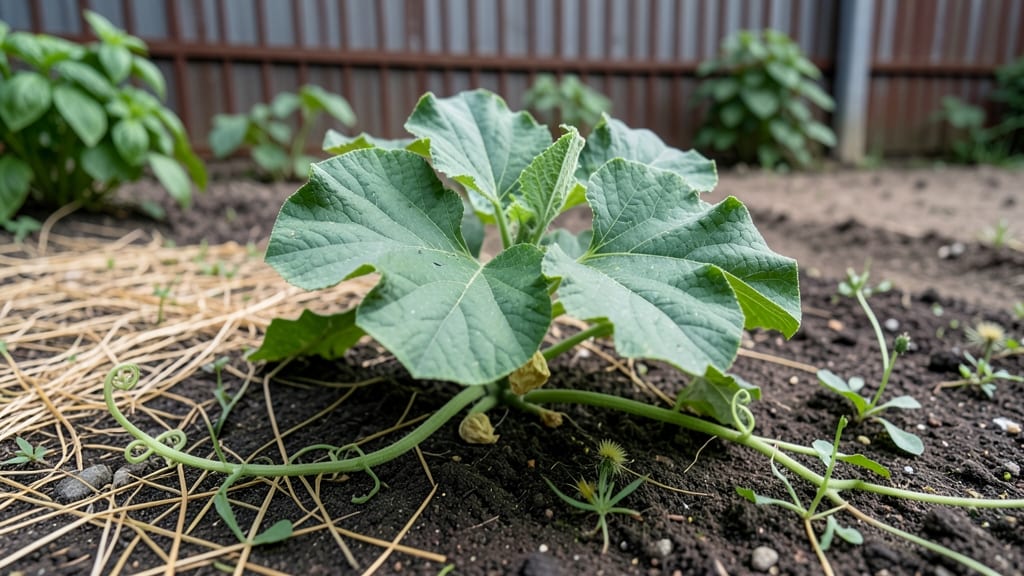
Understanding how long pumpkin seeds germinate depends on warmth—most sprout in 3 to 10 days when soil stays between 70°F and 90°F, though some take up to 2 weeks.
I’ve watched my own seeds crack open in just 4 days when I kept the soil warm and moist, but cold snaps can stretch that timeline dramatically. The key isn’t just waiting—it’s creating the right conditions before you even plant.
Here’s the secret: pre-soak seeds overnight in warm water to jumpstart germination, then plant them just 1 inch deep in well-draining soil. Too deep, and they’ll struggle to break through; too shallow, and they’ll dry out.
A clear plastic dome or row cover keeps humidity high while they wake up—no fancy equipment needed, just a little patience and warmth.
Once they sprout, you’ll notice the first leaves unfurl in about 7 to 14 days, but don’t rush to thin them yet. Pumpkin seedlings are delicate, and moving them too soon can stunt their growth.
Instead, wait until they’ve got a couple sets of true leaves before deciding which ones to keep—stronger plants mean bigger pumpkins later.
If your seeds take longer than two weeks, check the soil temperature with a thermometer—cold soil is the #1 reason for slow starts. A heating mat under seed trays can make all the difference in cooler climates. The payoff? Healthy, vigorous seedlings ready to take over your garden by summer.
Germination Delays Explained
Understanding why pumpkin seeds take longer—or fail—to sprout is half the battle in achieving successful growth. Here’s a breakdown of the key factors that influence germination timing, backed by science and actionable insights.
💧 The Foundation of Germination Pumpkin seeds require consistent moisture to activate enzymes that break down stored nutrients (like starches) into energy for the sprouting process. If the soil or growing medium is too dry, the seed’s metabolic processes stall.
- Why it happens: Seeds absorb water through their micropyle (a tiny pore). Without enough hydration, the seed remains dormant, delaying or preventing radicle (root) emergence. - Actionable fix: Maintain a moisture level of 60-70% in your growing medium.
Use a spray bottle for precision or a humidity dome to retain moisture. Test by squeezing the soil—it should feel like a damp sponge, not muddy or bone-dry.
🌡️ The Goldilocks Zone for Sprouting Pumpkin seeds thrive in warmth, but extreme heat or cold can disrupt their germination timeline. Ideal temperatures range between 70–95°F (21–35°C)—any lower, and enzymes slow down; any higher, and proteins denature, halting growth.
- Why it happens: - Too cold (<60°F/15°C): Metabolic reactions slow, delaying radicle emergence by days or weeks. - Too hot (>100°F/38°C): Seeds may dry out or suffer heat shock, causing irreversible damage. - Actionable fix: Use a seedling heat mat (75–85°F) or place seeds near a sunny window.
If outdoors, wait until soil temperature stabilizes—use a soil thermometer to monitor.
⏳ The Clock is Ticking Pumpkin seeds, like all seeds, have a limited shelf life. Older seeds (over 2–3 years) lose viability as their stored energy reserves degrade. Even if planted, they may sprout weakly or not at all.
- Why it happens: - Lipid peroxidation: Fats in the seed break down over time, reducing energy availability for germination. - Enzyme degradation: Critical enzymes (like α-amylase) become less effective, slowing nutrient mobilization. - Actionable fix: Test viability by floating seeds in water—sinkers are viable; floaters are likely dead.
Store seeds in a cool, dry place (50–60°F/10–15°C) with low humidity (use airtight containers with silica packets).
🪨 Breathing Room Matters Seeds need aeration and proper contact with the growing medium to access oxygen and expand. Compacted or rocky soil restricts root penetration and can trap excess moisture, leading to rot.
- Why it happens: - Lack of oxygen: Roots require O₂ for cellular respiration.
Compacted soil suffocates them, stalling growth. - Poor seed-to-soil contact: Seeds planted too deep (>1 inch) may struggle to reach the surface, exhausting their energy reserves. - Actionable fix: Use light, well-draining soil (e.g., a mix of peat moss, perlite, and coconut coir).
Loosen soil with a fork before planting, and press seeds ½ inch deep for optimal contact.
🌱 Photoblastic Responses in Seeds While pumpkin seeds don’t require light to germinate, excessive light (especially UV) can dry them out or trigger premature sprouting before roots develop. Conversely, complete darkness may slow enzyme activity in some varieties.
- Why it happens: - Surface planting: Seeds left too exposed dry out quickly, halting germination. - Dark, airtight containers: Can create anaerobic conditions, producing ethanol (a byproduct of fermentation) that’s toxic to sprouts. - Actionable fix: Cover seeds with ¼–½ inch of soil and keep them in indirect light until sprouts appear (2–3 inches tall).
Use a clear plastic dome to retain humidity without blocking light.
🧪 Hidden Saboteurs Residual pesticides, fungicides, or soil-borne pathogens (like Pythium or Fusarium) can inhibit germination or cause seed rot. Even "organic" soils may harbor harmful microbes if not sterilized.
- Why it happens: - Fungicides (e.g., captan): Can linger on seeds, disrupting cell division. - Bacterial/fungal infections: Compete with the seed for nutrients, leading to damping-off (seedling collapse). - Actionable fix: Soak seeds in hydrogen peroxide (3%) for 10 minutes to sterilize.
Use pasteurized soil or a sterile seed-starting mix. Avoid treated seeds unless specified as "germination-safe."
🌻 Not All Seeds Are Created Equal Some pumpkin varieties (e.g., Cinderella vs. Jack Be Little) have inherent germination rates due to genetic differences in enzyme production or seed coat thickness. Heirloom or hybrid seeds may also respond differently.
- Why it happens: - Thick seed coats: Some varieties (like giant pumpkins) have harder coats that require scarification (scratching) to speed up water absorption. - Hybrid vigor: First-generation hybrids may germinate faster due to cross-breeding advantages. - Actionable fix: Research your variety’s days-to-germination range (typically 5–14 days).
For slow starters, try stratification (cold-moist treatment) or soaking in warm water (80°F/27°C) for 12 hours before planting.
💥 A Cracked Seed’s Struggle Handling seeds roughly (e.g., crushing or nicking) can expose them to pathogens or disrupt internal structures needed for germination. Even minor damage can reduce viability.
- Why it happens: - Seed coat rupture: Essential for water uptake; if damaged improperly, the seed may absorb too much water and rot. - Embryo damage: The tiny radicle (embryonic root) can be crushed, preventing sprouting. - Actionable fix: Handle seeds gently with tweezers.
If scarifying (scratching), use sandpaper—not excessive force. Store seeds in individual paper envelopes to prevent abrasion.
Speed Up Germination Naturally
Germinating pumpkin seeds can be a waiting game—but with the right tweaks, you can cut down sprouting time and boost success rates. Below are targeted fixes for common germination delays, plus prevention tips to keep your seeds happy and growing.
Cause: Low moisture, poor temperature control, or old seeds. Solution:
- Soak seeds overnight (8–12 hours) in warm water to kickstart hydration. 💧 Pro tip: Use a damp paper towel instead of soaking to avoid over-moisture.
- Maintain warmth (70–90°F) with a heat mat or sunny windowsill. ⏳ Avoid cold drafts—seeds stall below 60°F.
- Test seed viability—if older than 2 years, pre-sprout a few in a damp towel to confirm they’re still alive.
Prevention: ✔ Store seeds in a cool, dry place (below 50°F) in an airtight container. ✔ Label seeds with purchase dates to track freshness.
Cause: Overwatering, poor airflow, or contaminated soil. Solution:
- Reduce moisture—water seeds only when the top inch of soil is dry. 💦 Use a spray bottle for gentle hydration.
- Improve airflow by spacing seeds 2–3 inches apart or using a seed-starting tray with drainage holes.
- Disinfect soil with a 10-minute hydrogen peroxide soak (1 part H₂O₂ to 9 parts water) before planting.
Prevention: ✔ Use sterilized potting mix (or coconut coir) to prevent fungal growth. ✔ Avoid crowded trays—thin seedlings early if needed.
Cause: Excessive moisture, compacted soil, or poor drainage. Solution:
- Repot immediately if seeds feel mushy or smell sour. 🌱 Use fresh, dry mix and let the soil dry slightly before rewatering.
- Add perlite or vermiculite (20%) to soil for better aeration.
- Try the "paper towel method" for faster, mold-free germination:
- Sandwich seeds between damp paper towels.
- Seal in a plastic bag (leave slightly open for airflow).
- Check daily—seeds should sprout in 3–7 days.
Prevention: ✔ Never let seeds sit in standing water. ✔ Use well-draining containers (no saucers under pots).
Cause: Inconsistent conditions (light, temp, or humidity swings). Solution:
- Use a germination chamber (a clear plastic dome over trays) to trap humidity. 🌡️ Remove the lid once sprouts emerge.
- Provide indirect light (12–16 hours/day) after sprouting—no direct sun until seedlings are sturdy.
- Rotate trays daily to prevent leggy growth from uneven light exposure.
Prevention: ✔ Monitor humidity with a hygrometer (ideal: 70–80%). ✔ Keep temps stable—avoid placing trays near AC vents or heaters.
- Chill treatment (stratification): Place soaked seeds in the fridge for 24–48 hours before planting (mimics winter conditions).
- Humidifier help: Run a small humidifier near trays if your home is dry.
- Seed scarification: Lightly sand the seed coat with fine-grit sandpaper to break dormancy (skip if seeds are fresh).
Remember: Pumpkin seeds typically germinate in 5–14 days, but these tweaks can shave off 3–5 days! Track your progress with a germination journal to refine your method. 📝✨
Frequently asked questions about pumpkin seed germination
What’s the fastest I can expect pumpkin seeds to sprout?
Under ideal conditions—soil at 75–85°F, consistent moisture, and good airflow—most pumpkin seeds sprout in 3–7 days. Pre-soaking seeds overnight in warm water can cut this time by 1–2 days. The paper towel method often yields results in just 48 hours for fresh seeds!
Why are my pumpkin seeds taking longer than 2 weeks to germinate?
Cold soil (below 60°F) or old seeds (>2 years) are the top culprits. Check soil temperature with a thermometer—seeds stall below 65°F. If seeds are fresh, try scarifying (lightly sanding the seed coat) or using a heat mat. If they’re old, test viability by soaking a few in water (viable seeds sink).
Can I germinate pumpkin seeds indoors without sunlight?
Yes! Use a grow light (12–16 hours/day) or place trays near a sunny window after sprouts emerge. Before germination, seeds don’t need light—just warmth (70–90°F) and moisture. A clear plastic dome over trays creates a mini greenhouse effect to speed things up.
Do I need to plant pumpkin seeds deep?
No—plant them only ½ inch deep in well-draining soil. Too deep (>1 inch) forces seedlings to struggle upward, exhausting their energy. For faster germination, try the paper towel method: place seeds between damp towels in a sealed bag (check daily). Once sprouted, transplant carefully to avoid damaging roots.
What’s the best way to store pumpkin seeds for next year?
Keep seeds in a cool, dry place (50–60°F) in an airtight container with a silica packet to absorb moisture. Label with the date—viability drops after 2–3 years. For long-term storage, freeze seeds in a sealed bag (they’ll last 5+ years). Test a few before planting to confirm they’re still good!