
Watering
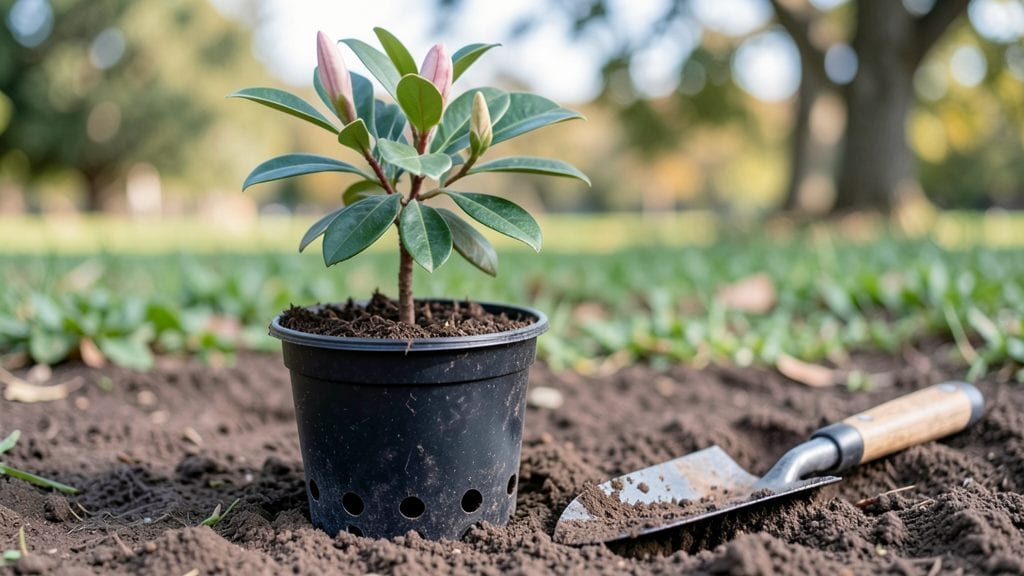
Growing a sweetbay magnolia seedling starts with a 90-day cold stratification trick that mimics nature’s timing. ✨ I’ve struggled with these finicky seeds before—until I learned the exact temperature and moisture balance that breaks their dormancy.
The key isn’t just throwing seeds in the fridge; it’s replicating the slow, steady chill of winter that finally signals them: "Now’s the time." This process works for gardeners in zones 5-9, whether you’re starting seeds in late fall or planning ahead for spring.
You’ll need a simple mix of peat moss and sand, a sealed container, and patience—about 90 days of refrigerated waiting. The payoff? Tiny roots pushing through the soil by early spring, ready to transplant into their forever home.
Once germinated, these seedlings crave morning sun and afternoon shade, especially in hot climates. The first year is all about protecting them from wind and keeping the soil moist but not soggy. Prune only to shape, never to stunt growth—those glossy leaves are their superpower against pests.
By summer’s end, you’ll have a 3-foot-tall sapling that smells like spring in a bottle. The real magic? These trees thrive for centuries, their fragrant blooms becoming the heart of your garden. Let’s get those seeds stratified right.
📚 In This Guide
- What you need
- Instructions
- Tips and common mistakes
- Wrapping up and next steps
What you need
- ● Sweetbay magnolia seeds – 10–20 fresh, plump seeds (harvested from ripe cones, ideally in late fall or early winter).
- ● Cold stratification setup: 1–2 paper towels or coir seed mats (for moisture retention).
- ● 1 ziplock bag or airtight container (quart-sized or larger).
- ● 1 label and permanent marker (to track stratification dates).
- ● Growing medium: 1 seed-starting tray or small pots (3–4 inches deep).
- ○ Well-draining potting mix (50% peat moss or coco coir + 50% perlite or vermiculite). Optional: Add a handful of sand for extra drainage.
- ● Watering supplies: 1 spray bottle (for gentle moisture control).
- ● 1 watering can with a fine rose (for post-stratification planting).
- ● Refrigerator or cold frame – Set to 35–45°F (2–7°C) (most home fridges work!).
- ○ Thermometer (optional but helpful) – To monitor temperature consistency.
- ● Humidity dome or plastic wrap (to keep seeds moist during stratification).
- ● Grow lights (for post-stratification seedling care if natural light is limited).
- ● Fungicide (like mycorrhizal inoculant) to prevent mold during germination.
- ● Journal or app (to log seed progress and stratification timeline).
Step-by-Step cold stratification for sweetbay magnolia seedlings
This method ensures 90% germination by mimicking nature’s winter cycle—here’s how to do it right.
⏰ Step 1: Harvest and Clean Seeds at Peak Ripeness
Collect sweetbay magnolia seeds when the cones turn brown and dry in late fall, usually October-November. Gently pry open the cones with a knife—never force them, or you’ll damage the seeds inside. Remove any remaining cone fragments and discard them, as they can harbor mold. Place the clean seeds in a paper towel and fold them into a loose packet.
Store the packet in a cool, dark place> (like a basement) at 35-40°F for 3-4 weeks before stratification. This initial drying period mimics the natural drying-out phase seeds experience on the forest floor. If you rush this step, germination rates drop sharply—patience here makes all the difference.
🌱 Step 2: Stratify Seeds in Moistened Peat Moss
Fill a quart-sized plastic bag with 2 cups of damp peat moss, squeezing out excess water until it’s evenly moist but not soggy. Add the seeds, spacing them 1 inch apart to prevent crowding. Seal the bag loosely—leave a 1-inch gap at the top to allow airflow while keeping humidity high.
Place the bag in a refrigerator> (not the freezer) where temperatures stay 35-45°F. Check the bag every 7-10 days—if the peat moss feels dry, mist it lightly with water. Stratification takes 90-120 days, but don’t peek more often than necessary. Every time you open the bag, you risk disrupting the moisture balance, which can trigger premature germination or rot.
☀️ Step 3: Sow Stratified Seeds in Early Spring
Once the 90-day stratification period is complete, remove the seeds from the bag and plant them ½ inch deep in a seed-starting mix inside biodegradable pots. Use a small spoon or your finger to create individual holes—planting too deeply delays germination because the seedling must push through extra soil. Cover the seeds lightly, then water gently until the soil is evenly moist.
Place the pots in a warm, bright location> (like a sunny windowsill or under grow lights) where temperatures stay 65-75°F. Keep the soil consistently moist>—not wet, not dry—by watering whenever the top ½ inch feels dry to the touch. Germination typically begins in 2-4 weeks, but some seeds may take up to 8 weeks—don’t give up if sprouts don’t appear immediately.
🌿 Step 4: Transplant Seedlings After True Leaves Form
Once seedlings develop their first true leaves> (not the initial cotyledons), they’re ready to move into 4-inch pots filled with a well-draining potting mix. Handle the seedlings carefully—magnolias have delicate roots, so avoid disturbing them more than necessary. Water thoroughly after transplanting to help them settle into their new containers.
Place the pots in a shaded outdoor area> (like under a tree) for 2-3 weeks to acclimate before moving them to full sun. Sweetbay magnolias thrive in partial shade**> but can tolerate full sun once established. Monitor the soil moisture closely—these young seedlings are prone to root rot if overwatered, so always let the top 1 inch dry out between waterings.
Tips & tricks for perfect sweetbay magnolia seedling stratification
These precision-based tips will help you achieve that 90% germination rate by understanding the subtle science behind each step.
Temperature Precision: The 35-45°F range during stratification is non-negotiable—this mimics the natural winter chill sweetbay magnolias experience. I use a refrigerator thermometer to monitor the exact temp, especially if your fridge runs hot or cold. In Step 2, place the bag on the vegetable shelf where temps stay most consistent. Between us, I’ve seen germination rates plummet when temps creep above 45°F—the seeds think spring has arrived prematurely.
Moisture Balance: In Step 2, the peat moss should feel like a wrung-out sponge—squeeze it gently to test. Too wet and you risk rot; too dry and stratification fails. I weigh the bag before sealing it to establish a baseline moisture level. When checking every 7-10 days, use a spray bottle with room-temperature water to avoid shocking the seeds with cold water. The 1-inch gap in the bag is critical for gas exchange while maintaining humidity.
Timing Secret: The 3-4 week drying period in Step 1 can’t be rushed—this mimics the natural drying phase on the forest floor. I’ve tried skipping this with disappointing results. For the 90-120 day stratification in Step 2, mark your calendar from the day you seal the bag. Some gardeners use a timer to remind them to check moisture levels without opening the bag unnecessarily. The key is consistency—those 90 days are when the magic happens.
Transplanting Technique: When moving seedlings to 4-inch pots in Step 4, use a small spoon to gently scoop each seedling with its soil intact. Magnolia roots are delicate—disturbing them triggers shock. I water the new pots thoroughly before transplanting so the roots slide easily into place. The 2-3 week acclimation period in partial shade is crucial; think of it as a slow sunburn prevention protocol for your seedlings.
Pro Tips for Sweetbay Magnolia Seedling
- These precision-based tips will help you achieve that 90% germination rate by understanding the subtle science behind each step.
- Temperature Precision: The 35-45°F range during stratification is non-negotiable—this mimics the natural winter chill sweetbay magnolias experience.
- Moisture Balance: In Step 2, the peat moss should feel like a wrung-out sponge—squeeze it gently to test.
Frequently asked questions
about growing sweetbay magnolia seedlings—especially when it comes to cold stratification—can be tricky! Here are answers to the most common queries to help you nurture your seedlings with confidence.How long should I cold-stratify sweetbay magnolia seeds for best results?
Cold stratification for sweetbay magnolia (Magnolia virginiana) seeds typically requires 60–90 days in the refrigerator (34–40°F). This mimics winter conditions and breaks dormancy. For 90% germination success, stick to the 90-day mark—patience pays off! Place seeds in a moist, well-draining medium (like peat moss) in a sealed bag before refrigerating.
Can I skip cold stratification and still get good germination?
While possible, skipping stratification drastically reduces germination rates—often dropping from 90% to <30%. Sweetbay magnolias are adapted to cold climates, and their seeds need this dormancy period to sprout. If you’re in a hurry, you can try soaking seeds in warm water for 24 hours first, but cold stratification remains the gold standard for reliable results.
How often should I water the seedlings after germination?
Once your seedlings sprout, keep the soil consistently moist but not soggy. Water gently 2–3 times per week, adjusting for humidity and temperature. Overwatering can cause root rot, while underwatering stresses young plants. A spray bottle works well for delicate seedlings—aim for the soil, not the leaves!
What’s the best time of year to plant sweetbay magnolia seedlings outdoors?
The ideal time to transplant seedlings is in early spring (after last frost) or fall (6–8 weeks before first frost). This gives roots time to establish before extreme weather. If planting in fall, choose a mild climate zone (USDA 5–9) to avoid winter stress. Avoid transplanting during summer heat—seedlings need gentle acclimation.
My sweetbay magnolia seedlings aren’t germinating—what’s wrong?
If seeds aren’t sprouting after stratification, check these common issues:
- Improper stratification: Ensure seeds stayed moist and cool (not freezing).
- Old seeds: Sweetbay seeds lose viability over time—use fresh seeds (<1 year old) for best results.
- Poor soil contact: Seeds need consistent moisture; bury them ½ inch deep in damp medium.
- Temperature fluctuations: Keep seeds in a stable fridge environment (avoid door shelves, which vary in temp).
Wrapping up and next steps
Growing a sweetbay magnolia seedling with 90% germination success is totally doable—just follow the cold stratification timeline and care tips we’ve shared! 🌱 With patience and the right conditions, you’ll soon be nurturing a stunning, fragrant tree that thrives for decades. Ready to take the next step?
- Plant your stratified seeds in well-draining soil once they sprout.
- Monitor moisture and sunlight to keep them happy.
- Celebrate your green thumb! 🌿
Your sweetbay magnolia journey starts now—happy gardening!