
Pests
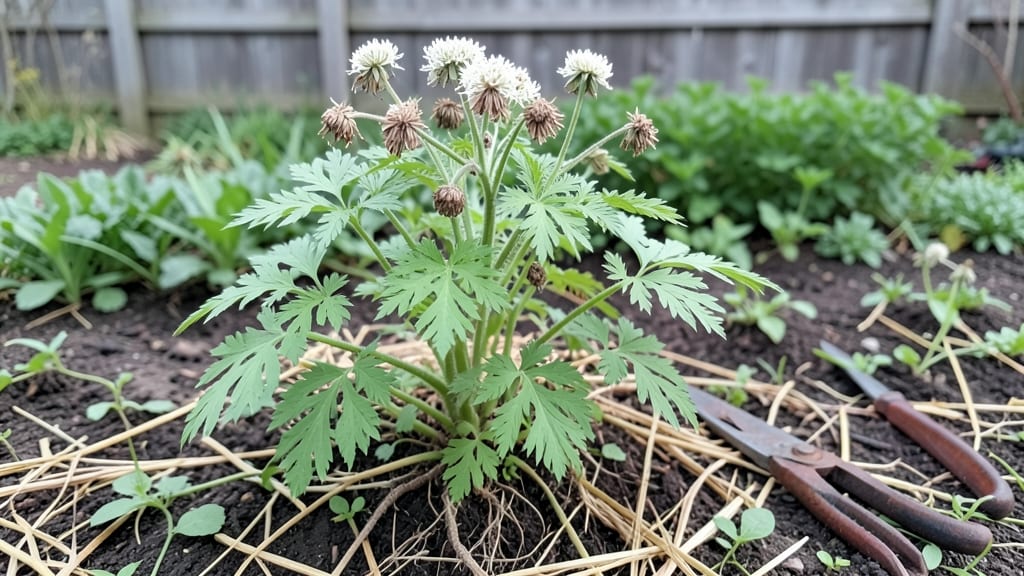
Getting coriander seeds from your homegrown plants is easier than you think—once you know the right timing and technique. 🌱 The key is recognizing when those delicate umbels turn from green to brown, signaling it's time to harvest before the seeds scatter.
I've saved seeds from my own plants for years, and the process becomes second nature after just one season.
You'll need just a few simple tools: sharp scissors or pruning shears, a clean paper bag for drying, and a dry, well-ventilated spot. The plants should be mature with fully browned seed heads, but not so dry they crumble at the touch.
Harvest on a dry morning when the dew has evaporated for best results.
Once you've collected the seed clusters, spread them out on a tray or paper bag in a warm, dry place for about two weeks. Shake them gently every few days to release any remaining seeds.
When fully dry, store them in an airtight container where they'll keep their flavor for up to two years.
This method works beautifully for gardeners who love fresh coriander but want to avoid store-bought seeds. The dried clusters make wonderful gifts too—just package them in small muslin bags for a fragrant, useful present. Let's walk through the full process step by step.
📚 In This Guide
- What you need
- Instructions
- Tips and common mistakes
- Wrapping up and next steps
What you need
- ● Fresh coriander (cilantro) plants: At least 3-5 mature plants (harvest when seeds form in dry, brown umbel clusters).
- ● Organic or pesticide-free preferred (if buying from a store).
- ● Harvesting tools: Sharp pruning shears or clean scissors (for clean cuts).
- ● Paper bags or breathable mesh bags (to dry seeds).
- ● Tray or baking sheet (for spreading seeds to dry).
- ● Drying supplies: Well-ventilated space (indoor or outdoor, away from direct sunlight).
- ○ Optional: Dehydrator (set to 95°F/35°C for 2-3 hours).
- ● Storage containers: Air-tight glass jars or food-grade plastic containers.
- ○ Silica gel packets (optional, to absorb moisture).
- ● Labeling tags (to track harvest dates).
- ● Fine-mesh sieve (for removing debris before storage).
- ● Food processor (to crack seeds for powdered coriander).
- ● Garden twine (to hang umbel clusters for drying).
Step-by-Step guide to harvesting and storing coriander seeds
Turn your homegrown cilantro into a year-round spice source with these simple steps.
🌿 Step 1: Let Plants Flower and Bolting Occur
Allow your cilantro plants to bolt naturally—this is when they send up tall flower stalks. Stop harvesting leaves once you see flower buds forming. The transition from leaf production to seed development takes about 2-3 weeks in warm weather. You'll notice the plants grow taller and develop delicate white flowers in umbrella-like clusters called umbels.
Don't rush this process. If you cut back the flowering stalks, you'll lose your seed crop. Instead, let nature take its course. The flowers will eventually turn into small, green seed pods that will eventually dry and release seeds. This is your signal that the plants are ready for seed collection.
☀️ Step 2: Collect Mature Seed Umbels
Wait until the seed pods turn from green to brown and begin to dry on the plant. This usually happens about 6-8 weeks after flowering begins. The umbels will look like dried, brown clusters. Gently twist or cut the entire umbel cluster from the plant, being careful not to shake off any seeds prematurely.
Collect the seed heads when they're completely dry but before they start releasing seeds naturally. Place them in a paper bag or breathable container. Hang the bags upside down in a dry, well-ventilated area to finish drying and allow any remaining seeds to fall into the bag. This process takes about 1-2 weeks depending on humidity levels.
🪴 Step 3: Clean and Store the Seeds
Once the seed heads are completely dry, remove them from the bag and gently rub the dried umbels between your hands or with a clean cloth to release the seeds. You'll see small, oval-shaped seeds that are light brown in color. Use a fine mesh sieve to separate the seeds from any remaining plant debris.
Store the cleaned seeds in an airtight container, like a glass jar, in a cool, dark place. Coriander seeds stay fresh for about 1 year when stored properly. Label your container with the date to keep track of freshness. For even longer storage, consider freezing the seeds in small portions.
⏰ Step 4: Use Your Freshly Harvested Seeds
Now that you've collected your seeds, you can use them in cooking or save them for planting next season. For culinary use, simply crush the seeds in a mortar and pestle or spice grinder to release their aromatic oils. Use them in curries, soups, or as a garnish for dishes like chutneys and pickles.
For planting, sow the seeds directly in the garden or in containers. Coriander grows best in cool weather and prefers full sun to partial shade. Plant the seeds about ¼ inch deep and keep the soil moist until germination, which typically occurs in 7-14 days. You'll have a new crop of cilantro ready in about 6-8 weeks.
Tips & tricks for perfect coriander seed harvesting
A few insider tricks will help you maximize your seed yield and ensure your coriander stays flavorful for months. Here's what I've learned after years of growing my own.
Patience is Key in Step 1: I can't stress this enough—don't be tempted to cut back those flowering stalks! The 2-3 week transition from leaf production to seed development is crucial. I've seen gardeners impatiently prune the flowers, only to discover they'd lost their entire seed crop. Trust me, those white umbels are your ticket to homegrown coriander seeds.
Timing Secret for Step 2: The 6-8 week window after flowering begins is your sweet spot for harvesting. Here's my trick: watch for the seed pods to turn completely brown and feel papery when you touch them. If they're still green or slightly yellow, give them another week. I like to harvest on a dry morning when humidity is low—this makes the umbels easier to handle and prevents premature seed release.
Storage Wisdom: After you've cleaned your seeds, don't just toss them in any container. I've found that storing them in a glass jar with a tight-sealing lid in the freezer extends their shelf life beyond the standard 1 year. The cold temperature slows down oil oxidation, keeping those flavors vibrant for up to 2 years. Just label your containers with the date—trust me, you'll forget!
Equipment Upgrade: While you can use your hands to rub seeds from the umbels, I've found a clean kitchen towel works better. It catches more seeds and prevents them from scattering everywhere. For cleaning, a fine mesh sieve is essential—it separates the seeds from plant debris more efficiently than shaking them by hand.
Pro Tips for Get Coriander Seeds
- A few insider tricks will help you maximize your seed yield and ensure your coriander stays flavorful for months.
- Patience is Key in Step 1: I can't stress this enough—don't be tempted to cut back those flowering stalks!
- Timing Secret for Step 2: The 6-8 week window after flowering begins is your sweet spot for harvesting.
Frequently asked questions
Got questions about harvesting or using coriander seeds? You’re not alone! Here are answers to the most common queries—from timing to troubleshooting—to help you make the most of your harvest.
When is the best time to harvest coriander seeds?
Harvest coriander seeds when the umbels (seed clusters) turn from green to light brown and the seeds rattle inside when shaken. This usually happens 8–10 weeks after flowering. Wait too long, and the seeds may scatter or lose flavor. Early morning harvests prevent wilting.
Can I harvest coriander seeds from store-bought cilantro?
Unfortunately, no! Store-bought cilantro is often bred for leaf production, not seeds. Its flowers may not develop properly, or the seeds could be non-viable. For reliable seeds, grow your own from heirloom or seed-producing varieties like ‘Santo’ or ‘Slow Bolt’.
What do I do if my coriander bolts before seeding?
Bolting (premature flowering) is common in hot climates. To delay it:
- Plant in cool weather (spring/fall).
- Use shade cloth in peak summer.
- Water consistently to avoid stress.
- Choose bolt-resistant varieties like ‘Calypso’.
How do I store coriander seeds long-term?
Store seeds in an airtight container (like a glass jar) in a cool, dark place (below 70°F/21°C). They’ll stay fresh for 1–2 years. For extra protection, add a silica gel packet to absorb moisture. Label with the harvest date!
Why are my coriander seeds not drying properly?
Humidity or poor airflow can cause seeds to mold. Fix it by:
- Moving umbels to a dry, well-ventilated spot (like a mesh bag in a warm, dry area).
- Avoiding direct sunlight, which can overheat them.
- Using a dehumidifier if your climate is damp.
Wrapping up and next steps
You now have all the tools to harvest and store coriander seeds like a pro! 🌱 Whether you’re growing your own plants or sourcing them from local markets, these tips ensure you’ll enjoy fresh, flavorful seeds year-round. Ready to elevate your cooking? Start by experimenting with your new stash in curries, marinades, or even homemade spice blends—your taste buds will thank you!
For extra inspiration, check out creative ways to use coriander seeds in your favorite recipes next! 🌟