
Lawn
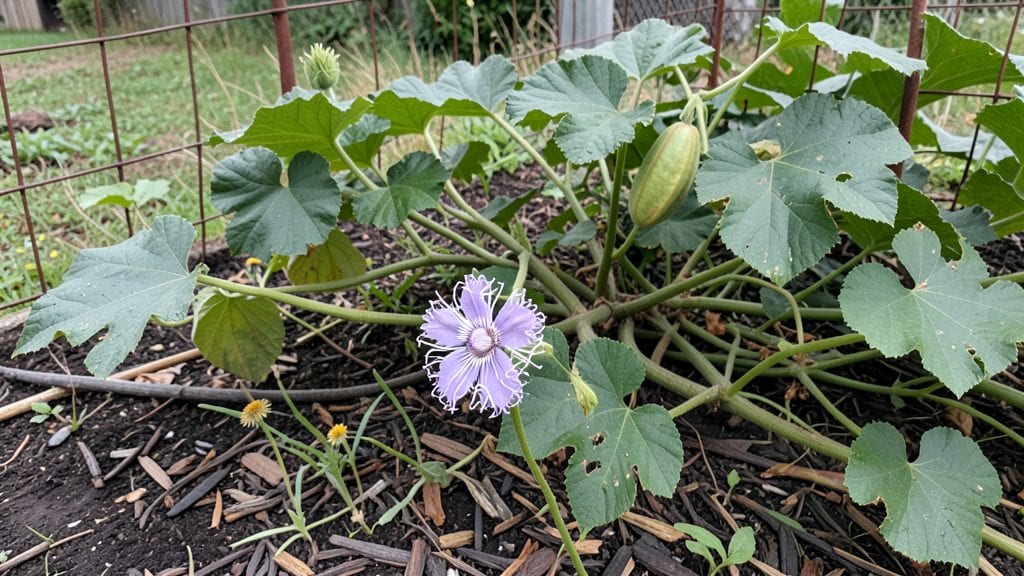
Passionflower seed pods are nature’s way of giving you free plants for next season’s showstopping vines—if you know how to handle them right. 🌿 I’ve learned the hard way that rushing the harvest or skipping the drying step means wasted seeds, so I’ll walk you through every critical step to ensure your passionflowers return even more dramatic than before.
The process starts with patience: wait until the pods turn fully brown and begin splitting open on their own, usually in late summer or early fall.
Once ripe, carefully twist them off the vine and lay them out in a dry, shaded spot for 2-3 weeks—this slow drying prevents mold and preserves viability. Store the dried pods in a paper bag until you’re ready to extract the seeds, which look like tiny, wrinkled beans inside.
What you’ll end up with is a stash of seeds that, when sown in spring after stratification (or planted fresh in warm climates), will sprout into vigorous seedlings.
The key is keeping them cool and moist during germination—think of it like giving them a gentle winter nap before their big debut. By summer, you’ll have lush vines climbing and blooming like the ones you admired this year.
This method works for all passionflower varieties, from the classic purple Passiflora incarnata to tropical types like Passiflora edulis. The only real challenge is waiting long enough for the pods to ripen fully—don’t be tempted to harvest early, or you’ll end up with seeds that refuse to cooperate.
Next year’s garden will thank you for the extra care.
📚 In This Guide
- What you need
- Instructions
- Tips and common mistakes
- Wrapping up and next steps
What you need
- ● Mature passionflower vines – Look for fully ripened seed pods (usually brown, papery, and dry to the touch). Aim for at least 10-15 pods for a good seed collection.
- ● Sharp pruning shears or scissors – For cleanly harvesting pods without damaging the vine.
- ● Paper bags or breathable fabric sacks – 2-3 medium-sized bags (10x12 inches) to collect and transport pods.
- ● Tweezers or small gloves – Helps gently separate seeds from pods without breaking them.
- ● Drying tray or screen – A flat, elevated surface (like a cooling rack or mesh screen) to air-dry pods.
- ● Paper towels or parchment paper – For lining trays and absorbing excess moisture.
- ● Small envelopes or seed packets – 2-4 labeled envelopes for storing seeds long-term.
- ● Permanent marker or labels – To mark pods/envelopes with the harvest date and variety (if applicable).
- ● Desiccant packets – Place in storage envelopes to prevent moisture buildup.
- ● Fine-mesh sieve – For sifting out debris if seeds get mixed with pod fragments.
- ● Humidity monitor – Ensures your storage area stays dry (30-40% humidity ideal).
- ● Spray bottle with water – For lightly misting stubbornly dry pods if needed.
Step-by-step instructions for harvesting and storing passionflower seed pods
Here's how I save seeds from mature passionflower vines for next season's garden.
🌿 Step 1: Identify and Harvest Mature Seed Pods
Wait until the pods turn from green to a deep brown color—this signals full maturity and seed readiness. Gently twist the pod from the vine while holding it firmly; if it resists, it's not ready yet. I harvest in the morning when dew has dried but before the afternoon heat, which helps preserve seed quality.
Collect pods that are completely dry and slightly papery to the touch. Store them in a paper bag or mesh sack to allow airflow while you process them. Avoid harvesting pods that have split open naturally—these seeds won't store well. You'll need about 4-6 mature pods to ensure a good seed yield for replanting.
💧 Step 2: Clean and Dry the Seed Pods
Spread the harvested pods on a clean, dry surface in a single layer. Let them dry further for 3-5 days in a warm, dry place with good airflow—like a covered porch or sunny windowsill. The pods should feel completely dry and brittle when you gently squeeze them. If they still feel damp, leave them out longer.
Once fully dry, open each pod carefully by squeezing it between your fingers. The seeds inside will be surrounded by a white, fibrous pulp. Remove the seeds by hand, discarding any that look shriveled or discolored. Store only the plump, healthy-looking seeds in an envelope or small container.
⏰ Step 3: Store Seeds Properly for Long-Term Viability
Place the cleaned seeds in a labeled envelope or small glass jar. I add a silica gel packet to absorb excess moisture, which helps prevent mold. Store the container in a cool, dark place—like a pantry or seed storage box—where the temperature stays between 40-50°F.
Passionflower seeds can remain viable for 2-3 years under these conditions, though germination rates drop after the first year. Label your container with the harvest date and variety if you're growing multiple types. Check the seeds annually and discard any that look dry or brittle—these won’t sprout well.
☀️ Step 4: Prepare Pods for Planting Next Season
When you're ready to plant, soak the seeds in warm water for 12-24 hours to soften the outer shell and improve germination. This step is crucial because passionflower seeds have a tough coating that slows water absorption. After soaking, plant them ½ inch deep in well-draining soil and keep the soil consistently moist until germination.
Germination can take 2-4 weeks, so be patient. Once seedlings emerge, provide them with bright, indirect light and gradually introduce them to outdoor conditions over 1-2 weeks before transplanting. You'll see strong, healthy vines ready for next year's blooms within a few months.
Tips & tricks for perfect passionflower seed pod harvesting
Saving passionflower seeds for next season doesn't have to be tricky—just a few key steps make all the difference.
Harvesting Timing: The morning after a dry night is ideal for harvesting those deep brown pods. Early morning harvests preserve seed quality better than afternoon ones because the pods haven't absorbed midday heat. I always check for that papery texture—it's the best indicator of readiness. If pods still feel firm, they need more time on the vine.
Drying Strategy: Those 3-5 days of drying in Step 2 are non-negotiable for seed viability. I've learned this the hard way—rushing the process leads to moldy seeds. Place pods on a screen or wire rack for maximum airflow. A sunny windowsill works great, but avoid direct afternoon sun which can overheat them. Test dryness by gently squeezing—if they crumble easily, they're ready.
Storage Wisdom: That 40-50°F range in Step 3 is crucial for long-term storage. I keep my seeds in the back of the fridge where it stays consistently cool. The silica gel packet is a game-changer—it prevents moisture buildup that causes mold. Labeling with the harvest date helps track viability, since germination drops significantly after year one.
Planting Prep: The 12-24 hour soaking in Step 4 is where many gardeners go wrong. Use warm water (not boiling) to soften those tough seed coats. I like to place seeds in a small jar with water and a drop of dish soap to help break down the protective layer. After soaking, plant immediately—they'll start germinating right away.
Pro Tips for Passionflower Seed Pods
- Saving passionflower seeds for next season doesn't have to be tricky—just a few key steps make all the difference.
- Harvesting Timing: The morning after a dry night is ideal for harvesting those deep brown pods.
- Drying Strategy: Those 3-5 days of drying in Step 2 are non-negotiable for seed viability.
Frequently asked questions
Got questions about harvesting, drying, or storing passionflower seed pods? You’re not alone! Here are some of the most common queries—and their answers—to help you get the most out of your passionflower plants.
When is the best time to harvest passionflower seed pods?
The ideal time to harvest passionflower seed pods is when they’ve fully ripened but before they split open. Look for pods that turn a deep brown or black and feel slightly soft when gently squeezed. Harvesting too early may yield underdeveloped seeds, while waiting too long risks losing them to birds or wind.
How long does it take for passionflower seed pods to dry completely?
Drying time depends on your climate, but most pods take 2–4 weeks to dry thoroughly indoors. Place them in a well-ventilated, dry area (like a mesh bag or paper bag) away from direct sunlight. Test for dryness by gently pressing a pod—if it crumbles easily, it’s ready for storage.
Can I store passionflower seeds in the fridge or freezer instead of a cool, dry place?
While the fridge or freezer can work for short-term storage (up to 6 months), it’s not ideal for long-term viability. For best results, store seeds in a cool, dark, and dry place (like a sealed jar in your pantry) where temperatures stay below 40°F (4°C). Freezing can cause moisture buildup, which may reduce germination rates.
What should I do if birds or squirrels keep eating my seed pods before they ripen?
Birds and squirrels love passionflower seeds! To protect your pods, try these tricks:
- Cover plants with fine netting once pods form.
- Harvest pods as soon as they ripen (even if not fully dry).
- Place a decoy predator (like a fake owl) nearby to deter small critters.
Can I use passionflower seed pods for anything other than planting next year?
Beyond seeds, passionflower pods have multiple uses:
- Tea & Tinctures: Dried pods (and leaves) are used in herbal remedies for anxiety and sleep.
- Dye: Fermented pods create a soft yellow or brown dye for fabrics.
- Crafts: Fully dried pods make unique, rustic decorations (just clean and seal them first!).
Wrapping up and next steps
Harvesting, drying, and storing passionflower seed pods is a rewarding way to ensure next year’s vibrant blooms—while adding a touch of nature’s magic to your garden! 🌿 With the right tools and patience, you can extend your passionflower’s life cycle and enjoy its stunning flowers season after season.
Whether you’re a seasoned gardener or just starting, this process is simpler than you think.
Ready to take the next step? Start by monitoring your plants now—watch for those signature seed pods to ripen, and soon, you’ll be well on your way to a flourishing garden. Happy harvesting! 🌸