
Pests
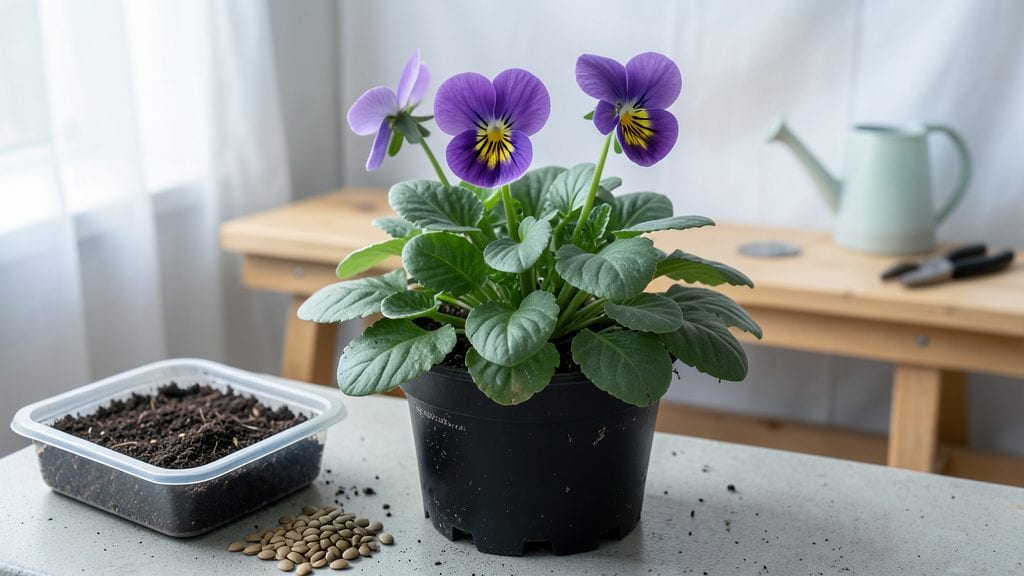
Getting pansy seeds for next year’s garden is easier than you think—whether you’re starting from scratch or saving your own. 🌱 I’ve grown pansies from seed for years, and the key is knowing where to look and how to handle them once you have them.
Most gardeners buy seeds from trusted suppliers, but harvesting your own from mature plants can save you money and preserve rare varieties.
The simplest way is to order from reputable seed companies like Burpee or Johnny’s Selected Seeds, where you’ll find a wide range of colors and varieties. If you’re harvesting from your own plants, wait until the blooms fade and seed pods form—then collect them before they split open.
Store the seeds in a cool, dry place until spring planting.
Once you’ve got your seeds, viability lasts about 3-4 years if stored properly, but fresh seeds germinate best. You’ll end up with vibrant, early blooms that outperform store-bought transplants, plus the satisfaction of growing something special. Here’s how to make it work without the guesswork.
Works for both beginners and seasoned gardeners—just follow the simple steps to avoid common pitfalls like dampness or improper storage. Let’s get those pansies growing again next year!
📚 In This Guide
- What you need
- Instructions
- Tips and common mistakes
- Wrapping up and next steps
What you need
- ● Mature pansy plants: Choose healthy, disease-free plants with fully developed seed pods (usually after blooming). Aim for at least 3-5 plants for a good seed yield.
- ● Sharp scissors or pruning shears: A clean pair to snip seed pods without damaging the plant.
- ● Paper bags or breathable seed envelopes: 2-3 medium-sized bags (paper grocery bags work great!) to collect pods and allow airflow.
- ● Labeling tags or markers: To jot down the pansy variety (e.g., "Viola ‘Cool Wave Blue’") and harvest date.
- ● Drying surface: A clean, dry tray or mesh screen (like a wire cooling rack) to spread pods out.
- ● Fine mesh sieve or sifter: A small handheld sieve (¼-inch mesh) to separate seeds from chaff.
- ● Air-tight seed storage containers: 2-4 small jars or envelopes with desiccant packets (or silica gel) to keep moisture out.
- ● A magnifying glass to inspect seed pods for pests or damage.
- ● Hand lens or microscope (if you’re curious about seed morphology!).
- ● Humidity pack (like a DIY version with rice in a sock) for extra moisture control.
- ● Seed catalog or notebook to track germination rates year after year.
Step-by-step guide to harvesting and storing pansy seeds
Here’s how to save seeds from your pansies for next season’s vibrant blooms.
🌱 Step 1: Identify and Select Mature Pansy Flowers
Wait until your pansies produce seed pods—these look like tiny, swollen green bulbs where the flower once was. Choose the healthiest, most vibrant plants for best results. Avoid flowers treated with chemicals, as they may not produce viable seeds. The pods will start as green and firm, then turn brown and papery as they mature.
Harvest pods when they’re fully brown but still intact—usually 4-6 weeks after flowering. If left too long, they’ll split open and scatter seeds everywhere. Pick them in the morning when humidity is lowest, so they stay dry and easy to handle.
🌿 Step 2: Harvest and Dry the Seed Pods
Gently twist or snip the dried pods from the stem, leaving a small stem attached for easier handling. Place them in a single layer on a paper towel or mesh screen in a dry, well-ventilated spot. Avoid plastic bags—they trap moisture and cause mold.
Let the pods dry for 1-2 weeks until completely crisp and brittle. You’ll know they’re ready when they crumble easily between your fingers. Store them in a cool, dark place until you’re ready to extract the seeds.
✂️ Step 3: Extract and Clean the Seeds
Once dry, open the pods by gently squeezing them or cutting them open with clean scissors. Shake or tap the pods over a clean sheet of paper to release the tiny, wrinkled seeds. You’ll find hundreds of seeds per pod, so a few plants will give you plenty for next year.
Remove any debris or chaff by wafting the paper gently or using a fine mesh strainer. Store the seeds in a small envelope or airtight container labeled with the variety and harvest date. Keep them in a cool, dry place—pansy seeds stay viable for 2-3 years if stored properly.
🪴 Step 4: Test and Plant Saved Seeds
Before sowing, test a few seeds by planting them in a small pot with well-draining potting mix. Keep the soil lightly moist and place the pot in a sunny spot. Germination usually takes 2-4 weeks at 60-65°F. If they sprout well, you’ve successfully saved viable seeds.
For best results, start seeds indoors 8-10 weeks before your last frost date. Thin seedlings to 3-4 inches apart once they have their first true leaves. Pansies grown from saved seeds may not match the parent plant’s exact color or size, but they’ll still bring cheerful blooms to your garden.
Tips & tricks for perfect pansy seed harvesting
Saving pansy seeds successfully takes patience and attention to detail—here are the tricks that'll make all the difference between a good harvest and a great one.
Timing Secret: The 4-6 week window for harvesting pods is critical, but don't wait until they're completely dry on the plant. Harvest when they're fully brown but still intact—this is when they're at their peak for seed extraction. I've learned the hard way that waiting too long means watching seeds scatter everywhere!
Drying Wisdom: That 1-2 week drying period might seem long, but it's essential for seed viability. Spread pods in a single layer on paper towels or a mesh screen in a well-ventilated area—never stack them or they'll trap moisture and mold. I keep mine near an open window where they get gentle airflow but no direct sunlight, which can dry them too quickly.
Storage Strategy: Pansy seeds can last 2-3 years in cool, dry conditions, but proper storage makes all the difference. I use small envelopes with the variety name and harvest date written on them, then store them in a sealed container with a silica gel packet. This prevents moisture buildup that can cause mold and reduce viability. Labeling each batch helps track which varieties you've saved.
Germination Tip: When testing your seeds, maintain that 60-65°F temperature range consistently. I've found that using a seedling heat mat under my pots helps maintain this temperature without needing to adjust my home thermostat. Also, place a humidity dome over the pot for the first week—this mimics the natural conditions seeds need to break dormancy.
Pro Tips for Get Pansy Seeds
- Saving pansy seeds successfully takes patience and attention to detail—here are the tricks that'll make all the difference between a good harvest and a great one.
- Timing Secret: The 4-6 week window for harvesting pods is critical, but don't wait until they're completely dry on the plant.
- Drying Wisdom: That 1-2 week drying period might seem long, but it's essential for seed viability.
Frequently asked questions
Got questions about harvesting and storing pansy seeds? You’re not alone! Here are some of the most common concerns—and answers—to help you nail the process.
When is the best time to harvest pansy seeds?
Harvest pansy seeds after the blooms fade and seed pods turn brown and papery (usually late summer to early fall). Wait until pods split open naturally—this ensures seeds are fully mature and ready for collection. Avoid harvesting too early, or seeds may not germinate well.
How long do pansy seeds stay viable for storage?
Pansy seeds typically stay viable for 2–3 years if stored properly in a cool, dry place (like a sealed envelope in the fridge). For best results, label seeds with the harvest date and test a few annually to check germination rates. Fresh seeds (first year) have the highest success rate!
Can I save seeds from store-bought pansy flowers?
Yes, but with a caveat! Store-bought pansies are often hybrids, meaning seeds may not grow true to the parent plant. For consistent blooms, save seeds from open-pollinated or heirloom varieties. If you’re experimenting, try it—you might discover a fun surprise!
What’s the best way to dry pansy seeds before storing?
Spread seeds on a paper towel or mesh screen in a well-ventilated, dry spot (like a sunny windowsill) for 1–2 weeks. Avoid heat sources or humidity—they can cause mold. Once completely dry (no moisture left), store them in an airtight container with a silica gel packet to absorb extra dampness.
Why aren’t my pansy seeds germinating?
Common culprits include old seeds (test viability), improper stratification (pansies often need a 4–6 week cold period), or poor soil moisture. Try soaking seeds overnight before planting, or mix them with damp sand and refrigerate for a month to mimic winter. Patience is key—germination can take 2–4 weeks!
Wrapping up and next steps
Growing pansies from seeds is a rewarding journey that lets you enjoy vibrant blooms year after year! By following the steps to harvest ripe seed pods, properly dry and store your seeds, and even experiment with seed-saving techniques, you’ll be well on your way to a thriving garden.
Don’t let fear of failure hold you back—every gardener starts somewhere, and your patience will pay off with stunning, homegrown flowers.
Now that you’re armed with the know-how, why not try it this season? Start small with a few seed pods, and soon you’ll be sharing your success with fellow plant lovers. Happy gardening! 🌸