
Pests
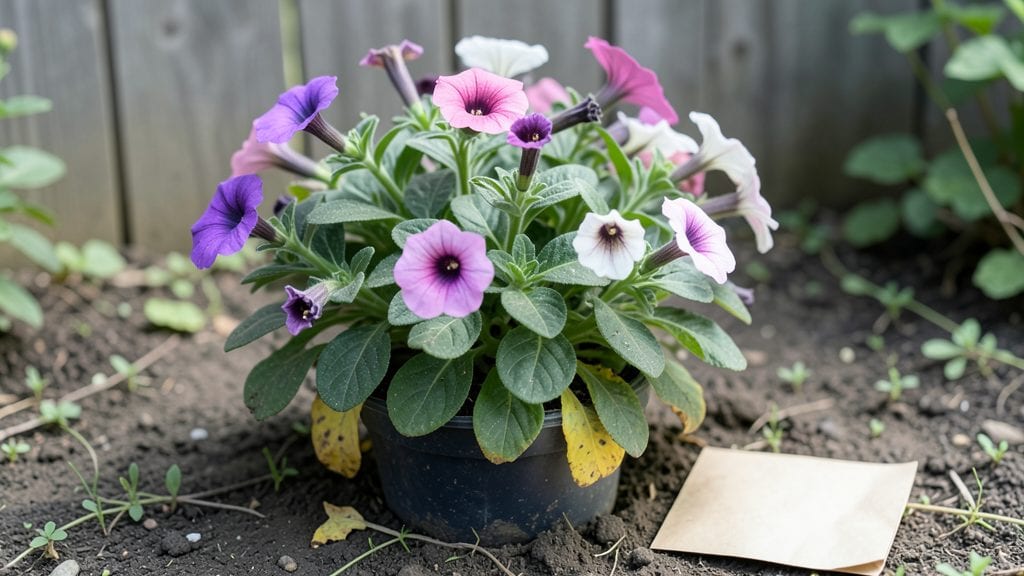
Getting petunia seeds means unlocking a world of vibrant blooms without the nursery price tag. 🌸 I’ve grown petunias from seed for years, and the savings—and satisfaction—are undeniable. These tiny seeds pack a punch, producing cascades of color that last from spring to frost.
The easiest way is buying seeds from reputable suppliers, but you can also collect them from mature flowers. After blooms fade, the seed pods form—just wait for them to dry and split open. Store seeds in a cool, dry place, and they’ll stay viable for up to two years.
Once you start, you’ll be amazed at how quickly seedlings emerge. With proper light and care, those first leaves turn into lush, flowering plants that outshine anything from a flat. The secret? Patience and the right timing—spring or late summer works best.
Whether you’re a beginner or a seasoned gardener, petunia seeds are a game-changer. They’re cheap, easy to grow, and perfect for containers, hanging baskets, or garden beds. Let’s get those seeds planted!
📚 In This Guide
- What you need
- Instructions
- Tips and common mistakes
- Wrapping up and next steps
What you need
- ● Mature petunia plants: Healthy, disease-free plants with fully developed blooms (at least 3-4 inches in diameter). Pro tip: Choose hybrid varieties labeled "seed-saving" or "open-pollinated" for best results!
- ● Scissors or pruning shears: Sharp, clean pair to snip seed pods without damaging the plant.
- ● Paper bags or breathable containers: 3-5 small, labeled bags (paper grocery bags work great!) to collect seeds as they dry.
- ● Seed drying tray or flat surface: A clean, dry area (like a mesh screen or baking sheet) to spread seeds for drying.
- ○ Fine-mesh sieve or sifter: Optional but helpful for separating seeds from chaff.
- ● Small envelopes or seed packets: Airtight, labeled containers (e.g., coin envelopes or seed-saving kits) for long-term storage.
- ● Permanent marker or labels: To note varieties, harvest dates, and storage conditions.
- ● Desiccant packs: For long-term seed storage (e.g., silica gel packets) to prevent moisture buildup.
- ● Humidity monitor: If storing seeds in a non-climate-controlled space (ideal humidity: <30%).
- ● Hand lens or magnifying glass: To inspect seeds for viability before planting.
- ● Notebook or seed-tracking app: To log germination rates, growing conditions, and notes for future reference.
- ● Patience: Seeds take 4-6 weeks to fully mature after blooming!
- ● Warm, dry conditions: Ideal for seed drying (avoid humidity or rain during harvest).
- ● Knowledge of petunia varieties: Some hybrids (like F1 crosses) won’t produce true-to-type seeds.
Step-by-Step instructions for collecting petunia seeds
Petunia seeds are tiny but packed with potential—here’s how to harvest and save them properly.
🌱 Step 1: Choose the Right Petunia Variety
Not all petunias produce viable seeds. Look for grandiflora or multiflora varieties—they yield the most seeds. Avoid floribunda types, which often produce sterile blooms. I always check seed packets or plant tags for "self-seeding" labels, as these are the best candidates for seed collection.
If you’re working with hybrid petunias, be aware that their seeds may not grow true to the parent plant. For consistent results, focus on heirloom or open-pollinated varieties. The best time to start is mid-summer, when flowers begin to fade naturally.
☀️ Step 2: Let Flowers Fade and Dry on the Plant
Skip the urge to deadhead petunias if you want seeds. Instead, allow spent flowers to wilt and dry completely on the plant. This process takes about 7-10 days under normal growing conditions. You’ll know it’s time to harvest when the flower head turns brown and papery, and the seed pods inside feel slightly crisp.
I avoid cutting or removing faded blooms until they’re fully dried. If you harvest too early, the seeds inside won’t mature properly. A light breeze or gentle shake of the plant helps speed up drying by reducing humidity around the pods.
🪴 Step 3: Harvest and Extract the Seeds
Once the dried flower heads are brittle, carefully snip them off the stem with clean scissors. Place them in a brown paper bag (the kind used for flour or bread) and seal it loosely. Shake the bag gently for a few seconds—you’ll hear the tiny seeds rattling inside.
Empty the contents onto a white plate or piece of paper to sort through. Petunia seeds are extremely small (about the size of a pinhead) and dark in color. Use a fine-toothed comb or a piece of cardboard to separate seeds from chaff. Store them in a small envelope labeled with the variety and harvest date.
⏰ Step 4: Dry and Store Seeds Properly
Spread the harvested seeds on a paper towel in a single layer and let them dry in a warm, dry place for 3-5 days. This prevents mold from forming during storage. Once completely dry, transfer them to an airtight container or sealed envelope with a desiccant packet (like those used for coffee or tea).
Store the container in a cool, dark place—a refrigerator’s vegetable drawer works well. Petunia seeds remain viable for 2-3 years when stored this way. I always test a few seeds annually to ensure they’re still good before planting a full batch.
🌿 Step 5: Test and Plant Your Saved Seeds
Before sowing, test a small batch of seeds by pressing them gently into moist potting mix in a shallow tray. Cover lightly with soil and mist with water. Place the tray in a warm spot (70-75°F) and keep the soil consistently moist. Germination typically takes 10-21 days, depending on the variety and storage conditions.
Once seedlings emerge, thin them to the strongest 2-3 plants per cell in a larger container. Petunias grow quickly, so transplant them outdoors after the last frost when nighttime temperatures stay above 50°F. Watch for leggy growth—this means they need more light, so adjust their position as needed.
Tips & tricks for perfect petunia seed collection
Here's what I've learned from years of saving petunia seeds—these little tricks make all the difference when working with such tiny seeds.
Variety Selection Tip: In Step 1, when choosing your petunia varieties, look for plants labeled "self-seeding" or "open-pollinated." These are specifically bred to produce fertile seeds, while many hybrid varieties will disappoint you. I always make a note of which plants produced the best seed pods so I can focus on those varieties next season.
The Drying Process Secret: During Step 2, when letting flowers dry on the plant, be patient with the 7-10 day process. If you're in a humid climate, consider creating a mini greenhouse effect by loosely covering plants with a mesh bag during the day to reduce moisture. This helps speed up the drying without damaging the delicate seed pods.
Harvesting Technique: For Step 3, when harvesting those brittle flower heads, I've found that using clean, sharp scissors is crucial. Dull blades can crush the seed pods, reducing your yield. Also, work on a dry day—moisture makes the tiny seeds stick to everything, including your hands and tools.
Storage Wisdom: In Step 4, when storing your seeds, don't overlook the importance of the 3-5 day drying period. I've seen mold develop when seeds were stored too soon, ruining entire batches. For extra protection, you can add a small packet of silica gel along with your desiccant packet in the storage container.
Pro Tips for Get Petunia Seeds
- Here's what I've learned from years of saving petunia seeds—these little tricks make all the difference when working with such tiny seeds.
- Variety Selection Tip: In Step 1, when choosing your petunia varieties, look for plants labeled "self-seeding" or "open-pollinated."
- The Drying Process Secret: During Step 2, when letting flowers dry on the plant, be patient with the 7-10 day process.
Frequently asked questions
Got questions about harvesting petunia seeds or growing from them? Here are some of the most common concerns—and their answers—to help you succeed!
How do I know when petunia seeds are ready to harvest?
Petunia seeds mature inside the seed pods (those little green bulbs) after the flowers fade. Wait until the pods turn brown and dry out—usually 4–6 weeks after flowering. Gently crush the pod to check for tiny black seeds inside. Pro tip: Harvest on a dry day to avoid mold!
Can I collect petunia seeds in the fall or winter?
Nope! Petunias are annuals (or tender perennials in warm climates), so they won’t produce seeds after dying back. Start harvesting seeds in late summer/early fall when flowers bloom, or buy fresh seeds from a nursery in winter. Pro tip: Store seeds in a cool, dry place if you can’t plant them immediately!
What’s the best way to store petunia seeds for next year?
Clean and dry seeds thoroughly, then store them in a paper envelope (not plastic!) in a cool, dark place (like a fridge). Label with the date—petunia seeds stay viable for 2–3 years. For extra protection, mix them with dry silica gel to absorb moisture.
Why aren’t my petunia seeds germinating?
Petunia seeds need light, warmth, and patience! Try these fixes:
- Use well-draining seed-starting mix (never bury seeds—just press them into the soil).
- Keep soil at 70–75°F with a heat mat if needed.
- Mist seeds lightly daily—don’t overwater!
- Germination can take 10–21 days—stay consistent!
Can I grow petunias from store-bought seeds or do I need heirloom varieties?
Store-bought petunia seeds (like Supertunia or Wave) will grow, but they may not be true to type—expect mixed colors or sizes. For consistent blooms, opt for heirloom or hybrid F1 seeds (like Mitchell Diploid), which are bred for reliability. Pro tip: Check seed packets for "hybrid" warnings!
Wrapping up and next steps
Growing petunia seeds is a rewarding journey that brings vibrant blooms to your garden year-round! Whether you’re saving seeds from mature plants, buying from trusted suppliers, or experimenting with hybrid varieties, the process is simpler than you think.
With the right tools and a little patience, you’ll soon be enjoying a garden bursting with color—all from those tiny, powerful seeds.
Now that you’re armed with knowledge, take the next step: pick a method that fits your gardening style and start planting! Your future petunia paradise awaits—happy growing! 🌸