
How To
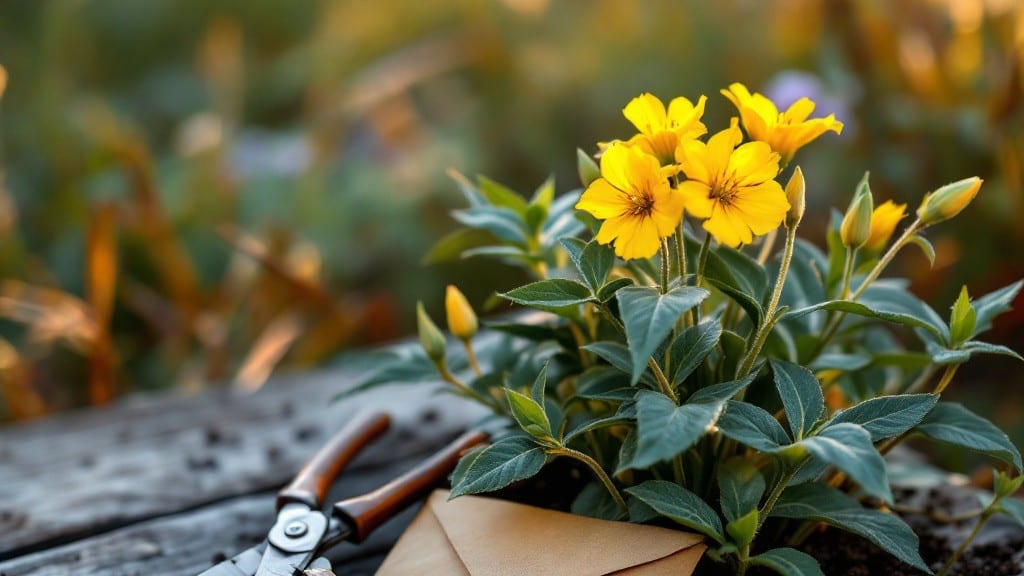
Harvesting evening primrose seeds 🌸 at the right moment saves you money and ensures a fresh batch of these golden blooms next spring.
Evening primrose (Oenothera biennis) is a stunning biennial flower that rewards gardeners with vibrant blooms—and if you harvest its seeds properly, you can grow a whole new crop for free next year.
But timing and technique are everything. Miss the window, and you’ll lose your seeds to pests, weather, or poor viability.
This guide walks you through the exact steps to collect seeds when they’re ripe, from spotting the right seed pods to drying and storing them for up to three years. No more guessing whether your seeds will sprout—just reliable, healthy plants ready for next season.
Whether you’re a beginner or a seasoned gardener, you’ll learn how to avoid common mistakes like harvesting too early or too late, which can ruin your seeds. Let’s get started!
The perfect time to harvest evening primrose seeds: when to collect for maximum viability
Timing is everything when harvesting evening primrose seeds. These biennials produce seeds in their second year, typically between late summer and early fall (August–September in most climates). Harvest too early, and seeds won’t be viable; wait too long, and they’ll scatter or attract pests.
The key is watching for seed pod maturity—when they turn from green to brown and begin cracking open.
Start by identifying the seed pods that form after flowers wilt. Unlike the bright blooms, these pods are unassuming but critical. They’ll transition from green and firm to dry, papery, and brown—a clear sign it’s time to act.
Missing this window means losing seeds to birds, wind, or moisture, which can drastically reduce your germination rates.
I’ve learned the hard way that rushing the harvest leads to underdeveloped seeds. If you pick pods too soon, they’ll be hollow or contain immature seeds that won’t sprout.
Conversely, waiting too late risks losing seeds entirely as pods split open naturally. The goal is to collect seeds when they’re fully mature but before they shatter.
Here’s how to spot the perfect moment for harvesting:
- 1 Seed Pod Color: Look for pods that have turned dry and brown (not green or yellow). They should feel papery and brittle when touched.
- 2 Natural Cracking: Pods should begin to split open slightly on their own. If they’re still tightly closed, wait a few more days.
- 3 Seed Appearance: Open a pod to check for dark, plump seeds. If seeds are still white or shriveled, they’re not ready.
- 4 Stem Condition: The stems holding the pods should feel dry and crisp. If they’re still green or flexible, the seeds aren’t mature.
- 5 Weather Window: Harvest on a dry, sunny day to prevent moisture from spoiling seeds. Avoid harvesting after rain.
Once you’ve identified mature pods, act quickly. Evening primrose seeds are lightweight and easy to disperse, so even a gentle breeze can send them flying. I recommend harvesting pods in the morning after dew has dried but before the heat of the day.
This minimizes the risk of seeds scattering while you work.
If you’re unsure whether a pod is ready, perform a simple test: gently squeeze it. If it crinkles like dry paper and seeds rattle inside, it’s time to harvest.
If it feels firm or springs back, give it a few more days. Patience here pays off—overripe pods release seeds that may not germinate well.
Another pro tip: Harvest pods before they fully split open. If you wait until they’re wide open, seeds will have already scattered or been eaten by birds.
Cutting pods just as they begin to crack ensures you capture the maximum number of viable seeds. Use clean, sharp pruning shears to avoid crushing the pods.
Once harvested, place the pods in a paper bag (not plastic) to dry for an additional 1–2 weeks in a cool, dry place. This final drying step is crucial—it prevents mold and ensures seeds reach their full germination potential.
Store them in a sealed container with a silica gel packet to absorb excess moisture.
By mastering the art of timing and technique, you’ll transform evening primrose seeds from a fleeting resource into a reliable, free crop for years to come. The payoff? A garden full of these golden-yellow blooms without a single seed purchase. 🌸
Step-by-step evening primrose seed harvesting process: tools, techniques, and storage tips
Harvesting evening primrose seeds at the right moment ensures high germination rates and saves you money for next year’s garden. The key is patience—wait until the seed pods are fully brown and dry but haven’t yet shattered.
If you harvest too early, seeds won’t be viable; too late, and they’ll scatter everywhere. I’ve learned this lesson the hard way, so let’s avoid that together!
Before you begin, gather your harvesting tools. You’ll need clean pruning shears or small scissors for cutting stems, a paper bag or envelope for collecting seeds, and a label to track the harvest date.
Optional but helpful tools include gloves (to avoid skin irritation from sap) and a magnifying glass to inspect seed pods for readiness. Work on a dry, sunny day to prevent mold growth during drying.
How to Harvest Evening Primrose Seeds
-
Step 1: Identify Ready Seed Pods
Look for brown, papery pods that feel dry and brittle. Press gently—if they crack open, seeds are ready! Avoid pods that are still green or firm, as seeds inside won’t be mature. -
Step 2: Cut or Twist Off Pods
Use clean scissors to snip stems just above the pod, or twist pods gently by hand. Place them in a paper bag immediately to prevent seed loss from wind or animals. -
Step 3: Dry the Pods
Spread pods on a screen or mesh tray in a warm, dry, well-ventilated area (like a garage or shed) for 1-2 weeks. Avoid direct sunlight, which can overheat and damage seeds. -
Step 4: Extract the Seeds
Once pods are completely dry, crush them gently with your fingers or a rolling pin to release seeds. Sift through the debris using a fine mesh strainer to collect clean seeds. -
Step 5: Store Seeds Properly
Place seeds in a paper envelope or airtight container with a silica gel packet to absorb moisture. Label with the harvest date and store in a cool, dark place (like a fridge) for up to 3 years.
If you notice mold or musty smells during drying, act fast! Move pods to a drier location immediately and spread them out further. Mold thrives in humidity, so ensure airflow is strong.
For premature seed drop, harvest pods as soon as they show signs of readiness—even if they’re not fully brown—to salvage what you can.
Pro tip: Evening primrose seeds are lightweight, so they’ll float if they’re not fully mature. Test viability by placing a few seeds in water—if they sink, they’re ready for planting.
If they float, they need more time on the drying tray. This simple trick saves you from wasting seeds on failed germination attempts!
With these steps, you’ll have a reliable seed stash for next year’s garden. Imagine the satisfaction of watching your homegrown evening primrose thrive from seeds you harvested yourself—it’s like gardening magic! Store seeds properly, and you’ll be ready to plant in early spring, continuing the cycle of growth and beauty.