
Vegetables
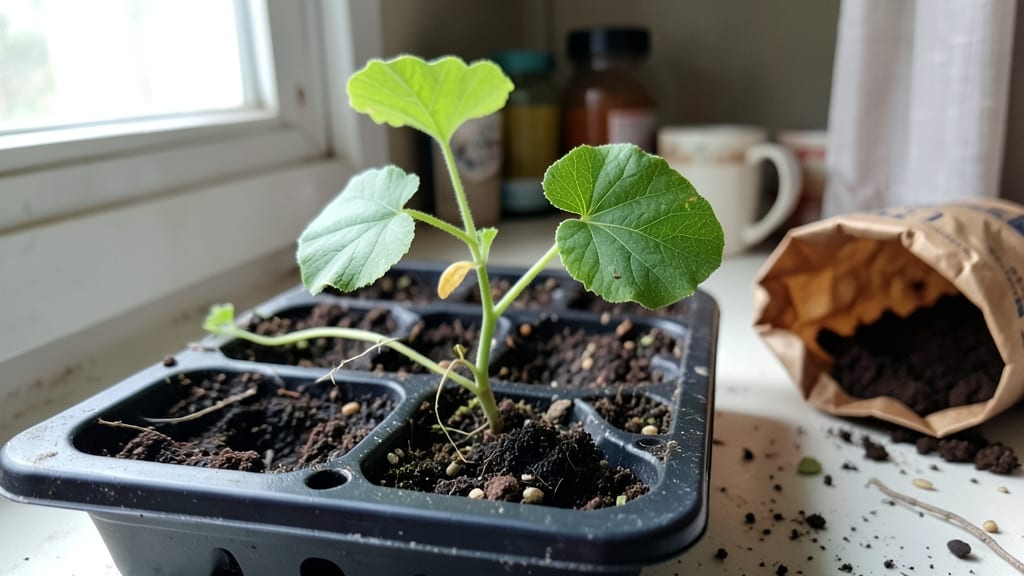
Planting watermelon seeds indoors can get those first sprouts popping in just 5-7 days—way faster than waiting for soil to warm outside.
I learned the hard way that skipping this step means struggling with weak seedlings later, but once you master the right setup, you’ll have sturdy vines ready for transplanting by early summer.
The secret isn’t fancy equipment—just 6-inch deep pots, a mix of potting soil and perlite for drainage, and a warm spot near a sunny window or grow light. Watermelons love heat, so keep those seeds cozy at 80-85°F until they sprout, then dial back to 70-75°F once leaves appear.
No fancy thermometers needed; a basement or kitchen windowsill often works.
By week three, you’ll see those first true leaves unfurl, and with proper light, your seedlings will grow 2-3 inches tall per week. The key is avoiding mold (keep soil moist but not soggy) and thinning weak sprouts early—this forces the strongest stems to dominate.
Before you know it, you’ll be hardening them off for the garden.
This method works for any variety—from small sugar babies to giant seedless types—so long as you give them enough space to sprawl. The real payoff? Beating the nursery by 4-6 weeks and growing watermelons that outperform store-bought plants every time. Let’s get those seeds started!
📚 In This Guide
- What you need
- Instructions
- Tips and common mistakes
- Wrapping up and next steps
What you need
- ● Watermelon seeds: 3–5 seeds per pot (choose heirloom or hybrid varieties like 'Sugar Baby' or 'Crimson Sweet').
- ● Seed-starting trays or small pots: 4–6 inches deep, with drainage holes (biodegradable pots work too!).
- ● Seed-starting mix: Lightweight, sterile, and well-draining (avoid garden soil—it’s too dense!).
- ● Grow lights or a sunny windowsill: 6–8 hours of light daily (south-facing windows are ideal).
- ● Plastic wrap or a humidity dome: To retain moisture and warmth during germination.
- ● Spray bottle: For gentle watering (avoid over-saturating the soil!).
- ○ Fertilizer (optional but helpful): A balanced, water-soluble fertilizer (5-10-5 ratio) for young seedlings.
- ● Trowel or small shovel: For planting seeds neatly.
- ○ Heat mat (optional): Keeps soil warm (70–90°F) to speed up germination (watermelons love warmth!).
- ● Labels & markers: To track seed varieties and planting dates.
- ● Scissors or knife: For cutting plastic wrap or pruning (if needed later).
- ○ Misting fan (optional): Improves airflow and prevents mold if humidity is high.
Step-by-step instructions for planting watermelon seeds indoors
Here’s my foolproof method for getting watermelon seeds to sprout fast and strong indoors.
Prepare Containers and Soil for Optimal Germination
Use the 4-inch deep peat pots from your supplies—they’re perfect for watermelon’s sprawling roots and make transplanting easier later. Fill each pot with 2 cups of seed-starting mix, pressing it down gently to remove air pockets. The mix should feel like a damp sponge, not soggy. I like to add a pinch of slow-release fertilizer to the soil before planting, which gives seedlings a nutrient boost without burning tender roots.
Watermelon seeds need warmth to germinate quickly, so place the pots on a seedling heat mat set to 80-85°F. If you don’t have one, a sunny windowsill near a south-facing window will work, but germination will take longer. The key here is consistency—fluctuating temperatures slow down or even halt germination entirely.
Plant Seeds at the Correct Depth for Fast Sprouting
Press 2-3 seeds per pot ½ inch deep into the soil, spacing them about 1 inch apart. Planting too deep forces seedlings to struggle upward, delaying emergence. Use your finger to make small indentations first—this ensures seeds stay at the right depth. Cover them lightly with additional seed-starting mix, then mist the surface with warm water until evenly moist.
Here’s the thing—watermelon seeds germinate fastest when kept consistently warm and moist. I place a clear plastic dome over the pots to trap humidity, which mimics the warm, damp conditions of their native tropical environment. Check the soil daily; it should stay damp but not waterlogged. Overwatering now can cause seeds to rot before they sprout.
Provide Warmth and Light for Rapid Germination
Watermelon seeds typically sprout in 3-7 days when conditions are ideal. Keep the pots on the seedling heat mat and under grow lights set to 14-16 hours of light daily. If using a windowsill, rotate the pots quarter-turn daily so they don’t lean toward the light. You’ll see the first signs of germination when the seed coat splits open—tiny white roots emerge first, followed by the shoot.
Once sprouts appear, remove the plastic dome immediately to prevent fungal growth. Watermelon seedlings are prone to damping-off, a fungal disease that causes stems to collapse. To avoid this, water from the bottom by placing pots in 1 inch of water for 10 minutes daily instead of from above. This keeps the soil moist without wetting the leaves.
Thin Seedlings and Strengthen for Outdoor Transition
When seedlings reach 2 inches tall, thin to the strongest plant per pot by snipping the others at the base with clean scissors. This prevents overcrowding and ensures the remaining seedling gets enough nutrients. Watermelon plants are heavy feeders, so after thinning, add ½ teaspoon of liquid fertilizer to the soil and water lightly to help roots establish.
After 4-6 weeks, when seedlings have 4-6 true leaves, it’s time to harden them off. Start by moving pots outside to a shaded, sheltered spot for 1-2 hours daily, gradually increasing exposure over 10-14 days. Watch for wilting or yellowing leaves—these are signs the plant isn’t ready for full sun yet. Once hardened off, you’ll have sturdy, fast-growing transplants ready for the garden.
Tips & tricks for planting watermelon seeds indoors
Fast germination is all about creating the perfect microclimate—here’s how to give your watermelon seeds the ideal conditions for quick, healthy sprouts.
Temperature Consistency: Watermelon seeds need steady warmth to germinate quickly, so maintaining that 80-85°F range is critical. If you don’t have a seedling heat mat, place the pots on top of your refrigerator or near a warm appliance like a water heater. I’ve found that using a small, portable space heater set to low can also work well, but always monitor temperatures closely—fluctuations can delay germination by days.
Lighting Strategy: The 14-16 hours of daily light is non-negotiable for fast growth, but quality matters just as much as quantity. If using grow lights, position them just 2-3 inches above the seedlings to maximize light penetration. For windowsill growers, rotate pots daily to prevent leaning, and supplement with a small LED grow light if natural light is insufficient. I’ve seen seedlings grow twice as fast when given this extra light boost during cloudy days.
Moisture Management: Keeping the soil consistently damp without overwatering is the tightrope act of seed starting. The 10-minute daily watering method from the bottom prevents waterlogging while maintaining humidity. For extra insurance, place the pots on a tray filled with ½ inch of water—this creates a humid microclimate while preventing root rot. I always check soil moisture by pressing my finger in; it should feel like a damp sponge, not a wet rag.
Container Preparation: The 4-inch deep peat pots are ideal, but if you’re using alternative containers, ensure they have drainage holes. I’ve successfully used biodegradable pots made from coconut coir, which eliminate transplant shock when planted outdoors. Pre-moisten your containers before filling with soil—this helps maintain consistent moisture levels during the critical germination period.
Pro Tips for Plant Watermelon Seeds Indoors
- Fast germination is all about creating the perfect microclimate—here’s how to give your watermelon seeds the ideal conditions for quick, healthy sprouts.
- Temperature Consistency: Watermelon seeds need steady warmth to germinate quickly, so maintaining that 80-85°F range is critical.
- Lighting Strategy: The 14-16 hours of daily light is non-negotiable for fast growth, but quality matters just as much as quantity.
Frequently asked questions
Got questions about indoor watermelon seed starting? Here are some common ones—and their answers—to help you grow like a pro!
When is the best time to start watermelon seeds indoors?
Start seeds 4–6 weeks before your last frost date (or 2–3 weeks before transplanting outdoors). Watermelons grow fast—aim for warm soil (70–90°F) to avoid slow germination. If you’re in a short season, opt for smaller varieties like 'Sugar Baby' or 'Black Diamond' for earlier harvests.
How long does it take for watermelon seeds to germinate indoors?
Germination usually takes 5–10 days in warm, moist conditions (70–90°F). Keep seeds consistently damp but not soggy—bottom-watering your trays helps. If they don’t sprout in 2 weeks, they may be bad or too cold. Try again with fresh seeds!
Can I use regular potting soil for watermelon seeds?
Yes, but amend it for better drainage. Mix in perlite or vermiculite (20%) to prevent rot. Avoid heavy garden soil—it compacts and suffocates roots. A seed-starting mix with coconut coir is ideal for fast, healthy sprouts.
What if my indoor seedlings look leggy or weak?
Leggy seedlings mean not enough light! Move them within 2–3 inches of a grow light (14–16 hours/day) or a sunny south-facing window. Rotate trays daily for even growth. Once they have 2 true leaves, transplant to larger pots (5+ inches deep) with well-draining soil.
Can I reuse containers or soil from last year’s watermelon seeds?
Reuse containers if they’re clean, but sterilize them first (boil or soak in 10% bleach solution). Do not reuse soil—it may harbor fungal diseases or pests. Fresh, sterile mix ensures strong, disease-free starts. Pro tip: Label containers to track varieties!
Wrapping up and next steps
Planting watermelon seeds indoors is a rewarding way to jumpstart your growing season—especially if you’re eager for juicy, homegrown fruit! 🍉 With the right setup, patience, and a little care, you’ll soon be transplanting sturdy seedlings ready for warmer weather. Don’t let a few setbacks discourage you; even experienced gardeners face challenges, but each seed you plant is a step toward a bountiful harvest.
Now that you’re armed with the know-how, grab those seeds and get started! 🌱 Next, mark your calendar for transplanting (usually after the last frost) and prep your outdoor space—your watermelon patch awaits! Check out our transplanting guide for tips on giving your seedlings the best start outside.