Pruning
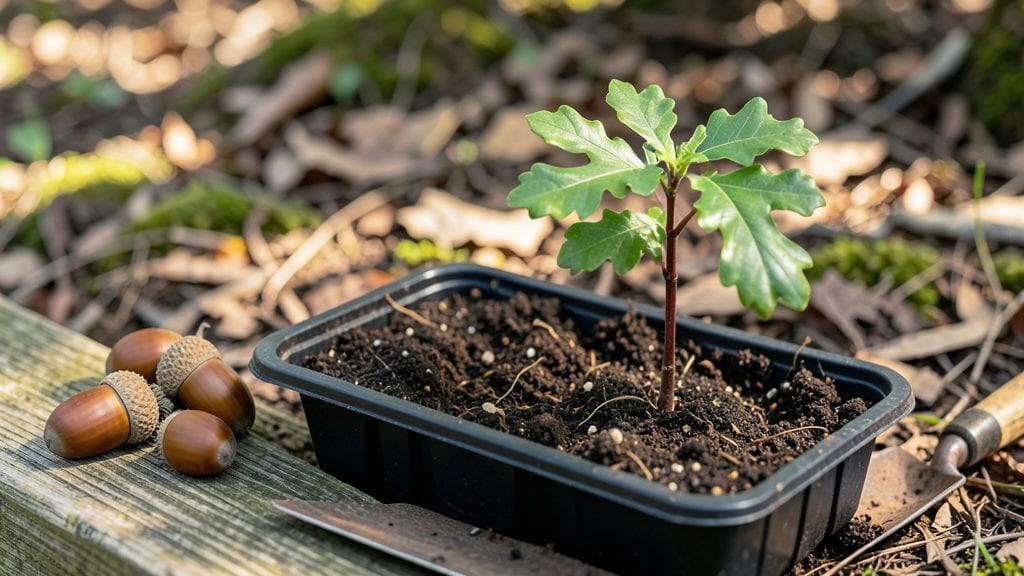
Identifying tree seeds starts with the leaves they came from—because the shape of those leaves holds the key to unlocking which species you're dealing with. 🌿 I've spent years collecting seeds from my backyard, and the first thing I check is whether the seed matches the leaf it fell from: a lobed maple seed, a winged ash seed, or a spiky pinecone.
It's like solving a puzzle where nature left you the blueprint.
The trick is simple: collect seeds when they're fully mature but still fresh—usually in late summer or fall—then compare them to reference guides or apps that match seeds to their parent trees.
A single acorn might look like any other, but its cap's shape and size tell you if it's white oak or red oak. I keep a small notebook with sketches of leaves and seeds I find, which turns into a handy field guide over time.
Once you've matched the seed to its tree, the next step is preparing it for planting or storage. Some seeds, like those from maples, need cold stratification to break dormancy, while others, like pines, can be sown fresh.
You'll know a seed is viable when it's firm, plump, and free of cracks or mold—those are the ones that'll grow into strong saplings in just a few seasons.
This method works for any backyard or forest forager, whether you're restoring a native woodland or just growing a few shade trees. The best part? You'll start recognizing seeds on walks without even thinking about it—your eyes will spot them before your brain does.
Let's get started matching those seeds to their trees.
Hidden Traits Behind Seed Confusion
Understanding why tree seeds are so tricky to identify starts with recognizing the natural and environmental factors that influence their appearance. Here’s a breakdown of the key reasons behind the challenges:
Tree seeds vary widely due to the genetic diversity within and between species.
Even seeds from the same tree can differ in shape, size, and texture because: - Hybridization: Some trees cross-pollinate with related species, producing seeds that blend traits (e.g., a mix of oak and hickory characteristics). - Inbreeding Depression: Seeds from closely related parents may appear stunted or malformed due to reduced genetic vigor. - Polyploidy: Certain trees have multiple sets of chromosomes, leading to unusually large or irregular seeds (common in fruit trees like apples or plums).
Actionable tip: 💡 Compare seeds against reference guides for the suspected species—look for ranges of traits (e.g., "walnut seeds vary from 1–2 inches long") rather than expecting perfection.
Seeds don’t form in a vacuum—they’re shaped by their environment.
Stressors like drought, disease, or poor soil can lead to: - Stunted or Deformed Seeds: Trees under water stress may produce smaller, lighter seeds with thinner shells (e.g., pine cones with fewer, underdeveloped seeds). - Varied Shell Hardness: Nutrient-deficient soil can result in seeds with softer husks or uneven surfaces (e.g., acorns with pitted or cracked shells). - Premature Dispersal: Heavy rain or wind can cause seeds to drop early, often incomplete or damaged.
Pro tip: ✨ Observe the parent tree’s health—if it’s struggling, seeds may not match "ideal" descriptions in field guides.
Nature’s "edible" seeds are prime targets for animals and microbes, which can:
- Damage Seed Coatings: Squirrels or insects may chew seeds, leaving irregular edges or holes (e.g., partially eaten maple samaras).
- Fungal or Bacterial Infections: Mold or rot can discolor seeds (e.g., blackened spots on chestnut seeds) or cause them to shrivel prematurely.
- Parasitic Seeds: Some trees host seed mimics (e.g., mistletoe berries resembling true tree seeds), tricking identifiers.
Key insight: 🔍 Check for bite marks, mold, or unusual growths—these are red flags for non-viable or hybrid seeds.
Seeds adapt to local conditions, leading to regional differences:
- Altitude Effects: High-elevation seeds (e.g., mountain ash berries) may be denser or smaller than lowland varieties.
- Climate Zones: Tropical seeds often have thinner, moisture-resistant coatings, while temperate seeds (e.g., oaks) are thicker and drier.
- Soil pH: Acidic soils can alter seed mineral content, affecting size and shape (e.g., pine seeds from sandy soil vs. clay-rich soil).
Actionable tip: 📊 Cross-reference seeds with regional field guides—a "standard" oak acorn in the Pacific Northwest may look different from one in the Southeast.
Not all seeds are ready for identification—maturity plays a huge role:
- Immature Seeds: Green, soft, or unfilled seeds (e.g., young walnuts) lack defining traits until fully developed.
- Dormant vs. Viable: Some seeds (like those from conifers) enter dormancy with a waxy coating that changes texture over time.
- After-Ripening: Certain seeds (e.g., maple samaras) only reach full size after weeks of hanging on the tree.
Pro tip: ⏰ Collect seeds at peak maturity—check local phenology calendars for when specific trees release seeds.
Even with the best tools, misidentification happens:
- Microscope vs. Naked Eye: Some distinguishing features (e.g., fine seed coat patterns) require magnification.
- Drying Artifacts: Seeds shrink or crack when dried for storage, altering their natural shape.
- Digital Distortions: Photos can exaggerate or minimize seed traits—always compare real specimens to images.
Key takeaway: 🎯 Use multiple identification methods (visual, tactile, and even smell—some seeds have distinct aromas!).
By recognizing these factors, you’ll approach seed identification with a scientifically informed lens—reducing frustration and increasing accuracy. The "perfect" seed often doesn’t exist in nature, but understanding why it varies is the first step to mastering the art!
Quick Fixes for Tree Seed ID Confusion
Identifying tree seeds can feel like solving a puzzle with missing pieces—especially when similar-looking species throw you off. But with the right approach, you can turn confusion into clarity. Below are practical solutions tailored to common challenges, from fieldwork hiccups to lab-like precision at home.
Cause: Overlapping seed shapes (e.g., maple vs. ash, oak vs. hickory) make it hard to pinpoint the exact species.
Fix:
- 📏 Measure key traits: Use a ruler or caliper to note:
- Seed length/width (e.g., acorns <1" vs. hickory nuts >1.5").
- Wing shape (maple samaras are V-shaped; ash wings are straighter).
- Surface texture (smooth vs. ridged, fuzzy vs. glossy).
- 🌿 Compare to leaves/fruit: Hold the seed next to a reference leaf or fruit from the same tree. Match patterns like:
- Lobes (oak acorns vs. sweetgum’s spiky balls).
- Attachment scars (e.g., walnut seeds have a flat side where they clung to the husk).
- 📸 Snap a photo + geotag: Upload to apps like PictureThis or Seek by iNaturalist for AI-assisted ID.
💡 Pro Tip: Keep a "seed journal" with sketches of shapes, colors, and locations. Over time, you’ll spot subtle differences that stump beginners.
Cause: Some seeds need scarification (scratching), stratification (cold treatment), or proper moisture to sprout.
Fix:
- 🔥 For hard-coated seeds (e.g., acorns, hickory):
- Sandpaper trick: Rub the seed’s flat side gently with 120-grit sandpaper to weaken the shell.
- Boiling water bath: Soak seeds in hot (not boiling) water for 24 hours to soften them.
- ❄️ For cold-loving seeds (e.g., birch, beech):
- Stratify indoors: Mix seeds with damp sand in a sealed bag, refrigerate for 6–12 weeks, then plant.
- 💧 Test moisture needs:
- Place seeds in a clear bag with damp paper towels—check for sprouts in 1–4 weeks.
- Discard mushy or moldy seeds (they’re likely damaged).
⚠️ Warning: Some seeds (like black walnut) release juglone toxins—plant them in pots first to avoid killing nearby vegetation.
Cause: Limited access to field guides or experts.
Fix:
- 📱 Mobile apps (free/paid):
- LeafSnap (scans leaves + seeds).
- PlantNet (crowdsourced ID with user uploads).
- USDA Plants Database (filter by region + seed traits).
- 🌍 Online forums:
- Post photos on Reddit’s r/whatsthisbug (yes, it works for seeds!) or Gardeners.com.
- Include your location—local climates affect seed types.
- 📚 Local library hack: Ask for "tree seed identification keys" (e.g., Peterson Field Guide to Trees).
🎯 Quick Cheat Sheet:
| Seed Type | Key ID Clues | Common Trees |
|---|---|---|
| Samara | Winged, helicopter-like | Maple, ash, elm |
| Acorn | Cup-shaped cap, glossy nut | Oak (white vs. red) |
| Pinecone | Woody, scales with seeds inside | Pine, spruce, fir |
| Pod | Dry, splits open | Locust, honey locust |
| Berry-like | Fleshy, often red/black | Mulberry, dogwood |
Cause: Chaos in seed collections leads to misidentification.
Fix:
- 📦 Sort by category:
- Use small jars or envelopes labeled by:
- Tree type (e.g., "Oak – White").
- Collection date (seeds lose viability over time).
- Location (e.g., "Backyard – Shady Oak").
- Use small jars or envelopes labeled by:
- 🔍 Use a magnifying glass: Examine seeds under 10x magnification to spot:
- Hairs (cottonwood fluff).
- Pores (some seeds have tiny breathing holes).
- 📅 Seasonal timing:
- Fall: Collect acorns, maple samaras, beechnuts.
- Spring: Look for pinecones, birch seeds (winged "helicopters").
- Year-round: Watch for fruit-based seeds (e.g., cherry pits, apple pips).
✨ Expert Hack: Freeze seeds for 24 hours before sorting—cold makes textures easier to distinguish!
🚀 Final Reminder: Start with one trait at a time (shape → size → color). Overlap clues to eliminate wrong answers, and don’t stress—even botanists double-check! 🌳🔍
Frequently asked questions
How do I tell if a seed came from a maple tree vs. an ash tree?
Maple seeds have V-shaped wings that form a helicopter-like shape, while ash seeds have straighter, more elongated wings. Hold them up to light—maple wings are more symmetrical and papery. Pro tip: Look for the parent tree’s leaves nearby, as maple leaves have pointed lobes while ash leaves are compound with opposite branching.
Can I identify a tree seed without seeing the parent tree?
Yes! Focus on three key traits: shape (e.g., acorn caps vs. winged samaras), size (measure with a ruler), and texture (smooth, ridged, or fuzzy). Use a seed identification app like LeafSnap or compare to regional field guides. Even a magnifying glass reveals hidden details like tiny pores or attachment scars.
What’s the best time of year to collect tree seeds?
Timing varies by species, but late summer to early fall is ideal for most hardwoods (oaks, maples, beeches). Conifers like pines drop seeds in fall or early winter, while fruit-based seeds (apples, cherries) ripen in late summer. Check local phenology calendars—seeds are often ready when they’re fully colored and firm to the touch.
Why do some seeds look different even from the same tree?
Genetic variation, environmental stress (drought, poor soil), or animal damage can alter seed appearance. For example, acorns from a stressed oak may be smaller or misshapen. Healthy seeds are usually plump, free of cracks, and match the species’ typical traits—compare yours to reference photos to spot deviations.