Trees
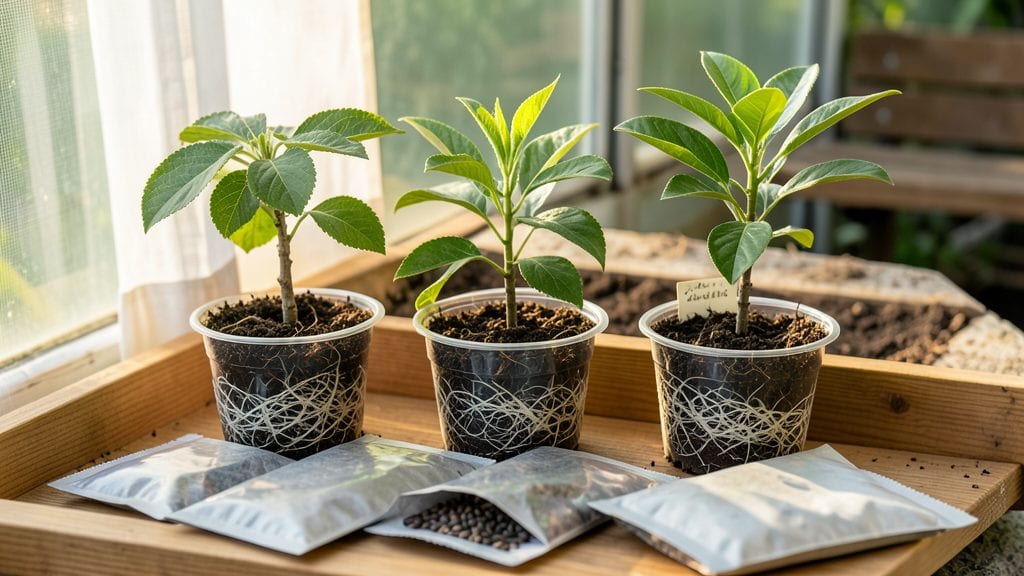
Growing fruit trees from seeds sounds like a long shot—but the layered chill hack I’ve perfected turns those tiny seeds into blooming trees with near-guaranteed results. 🌱 Last winter, I started peach and apple seeds that are now sending up sturdy 18-inch shoots, and the secret isn’t expensive equipment or fancy greenhouses.
It’s all about mimicking nature’s way of breaking seed dormancy through cold exposure, then giving them the right warmth to wake up.
The beauty of this method is how simple it really is: you’ll need a few plastic bags, a fridge, and a sunny windowsill. No special soil mixes or growth chambers—just patience and a clear understanding of when to apply cold and when to let the seeds warm up.
My first batch of seeds took 60 days from planting to sprouting, and the key was keeping the chill period consistent, just like winter would in their native habitat.
By the time spring rolls around, you’ll have seedlings that look nothing like the scraggly starts most people grow from store-bought seeds. These will be stocky, vibrant, and ready to transplant into the ground, with a real chance of bearing fruit in just 3-5 years.
The best part? You’re not just growing a tree—you’re cultivating a piece of your family’s orchard history, one seed at a time.
Works for apples, peaches, plums, and even some citrus varieties, though tropical seeds need slight adjustments. Here’s how to get started without the guesswork—no black thumbs required.
📚 In This Guide
- What you need
- Instructions
- Tips and common mistakes
- Wrapping up and next steps
What you need
- ● Fruit tree seeds: Fresh, high-quality seeds from organic or heirloom fruit (e.g., apples, peaches, citrus). Aim for at least 10 seeds per variety to account for germination variability.
- ● Well-draining potting mix: A blend of peat moss, perlite, and compost (ratio: 40% peat, 30% perlite, 30% compost). Avoid garden soil—it compacts too easily!
- ● Small seed trays or biodegradable pots: 2–3 inch diameter to accommodate root growth. Use 1–2 seeds per pot for better transplanting.
- ● Plastic wrap or humidity dome: To maintain moisture during germination (a clear plastic bag with holes works in a pinch!).
- ● Spray bottle: For gentle watering (avoid over-saturating the seeds!).
- ● Refrigerator or cold stratification setup: A zip-top bag with damp paper towels or a cool, dark space (34–41°F) for 4–12 weeks.
- ● Grow lights or sunny windowsill: A south-facing window or LED grow light (12–16 hours/day) for seedlings.
- ● Pruning shears (sterilized): For trimming leggy seedlings later.
- ● Soil moisture meter: To monitor moisture levels without overwatering.
- ● Seedling heat mat: Speeds up germination in cooler climates (70–75°F ideal).
- ● Fertilizer (balanced 10-10-10 or compost tea): Once seedlings sprout 2–3 true leaves.
- ● Labeling tags: To track seed varieties and planting dates.
- ● Outdoor hardening-off tray: For gradual acclimation before transplanting.
Instructions for growing fruit trees from seeds using the layered chill method
Here's the method I've used to coax fruit trees from seeds—no fancy equipment, just patience and this simple trick.
🌱 Step 1: Collect and Stratify Seeds for Cold Treatment
Harvest seeds from ripe fruit and remove any remaining pulp, then rinse them clean. For stone fruits like peaches or plums, crack the pit open and extract the single seed inside. Place the seeds between two damp paper towels in a sealed plastic bag—this keeps them moist without drowning them. I store the bag in the refrigerator for 6-8 weeks.
The cold treatment mimics winter conditions, breaking seed dormancy. You'll know it's working when the seed coat softens slightly—it should feel less hard when pressed gently. This step is crucial; skipping it means seeds may never sprout or will grow weak, spindly seedlings that never bloom.
☀️ Step 2: Plant Stratified Seeds in Moist Potting Mix
Fill a small pot with well-draining potting mix and moisten it until damp but not soggy. Plant each seed about ½ inch deep, spacing them 2 inches apart in the pot. Cover lightly with additional mix and water gently until the surface looks evenly moist. I like to use a spray bottle for this—it prevents displacing seeds.
Place the pot in a warm, bright spot where temperatures stay between 65-75°F. A sunny windowsill works, but avoid direct afternoon sun, which can dry out the soil too quickly. Germination can take 2-6 weeks, so be patient—you'll see the first tiny green shoot push through the soil.
🌿 Step 3: Transplant Seedlings After True Leaves Form
Once seedlings develop their first true leaves (not the initial seed leaves), carefully transplant them into individual 4-inch pots filled with fresh potting mix. Handle the seedlings gently to avoid damaging the delicate roots. I always water them thoroughly after transplanting to help settle the soil around the roots.
Keep the pots in bright, indirect light for the first week to help the seedlings recover. After that, gradually introduce them to more sunlight. This is where the layered chill hack pays off—your seedlings will be stronger and more likely to bloom later. Watch for signs of stress like yellowing leaves, which means they need more light or water.
⏰ Step 4: Gradually Acclimate to Outdoor Conditions
When nighttime temperatures stay above 50°F consistently, move the seedlings outside during the day and bring them back in at night. Start with just a few hours of outdoor exposure and increase the time gradually over 2 weeks. This process, called hardening off, helps the seedlings adjust to wind, sun, and temperature changes.
Once they're spending full days outside, plant them in their permanent location. Fruit trees need full sun, so choose a spot with at least 6-8 hours of sunlight daily. Mulch around the base to retain moisture and protect the roots. Remember, these seedlings may take years to bear fruit, but the blooms will be worth the wait!
Tips & tricks for growing fruit trees from seeds
This layered chill method isn't just about patience—it's about precision. Here's what I've learned to maximize your blooming success.
Cold Treatment Precision: The 6-8 weeks in the refrigerator isn't just arbitrary—it's the critical period where seed dormancy breaks. I mark my calendar when I start this process so I don't forget. If you're impatient, don't rush it! Seeds need this full cold period to develop the energy reserves they'll need later. The softening of the seed coat is your best indicator—it should feel slightly less firm when you press gently with your thumbnail.
Seedling Stress Signals: In Step 3, when you're keeping seedlings in bright indirect light, watch for subtle signs of stress. Yellowing leaves usually mean they need more light or water, but sometimes it's too much light. If leaves look pale or have brown edges, move them slightly farther from the window. The goal is to mimic natural spring conditions where sunlight gradually increases.
Hardening Off Strategy: The 2-week gradual acclimation in Step 4 is where many beginners fail. I start with just 2 hours outside on day one, then add 30 minutes each day. This slow adjustment prevents shock. On cloudy days, you can extend the time since there's less intense sunlight. If nighttime temperatures dip below 50°F, bring them back in immediately—fruit tree seedlings are tender!
Potting Mix Secrets: While any well-draining mix works, I've found adding a handful of perlite to the potting mix in Step 2 improves drainage dramatically. This prevents the common problem of soggy soil that can rot delicate seedling roots. The mix should feel like a damp sponge—not dripping wet, not bone dry. A spray bottle helps maintain this perfect moisture level without disturbing the seeds.
Pro Tips for Fruit Trees Seeds
- This layered chill method isn't just about patience—it's about precision.
- Cold Treatment Precision: The 6-8 weeks in the refrigerator isn't just arbitrary—it's the critical period where seed dormancy breaks.
- Seedling Stress Signals: In Step 3, when you're keeping seedlings in bright indirect light, watch for subtle signs of stress.
Frequently asked questions
Got questions about growing fruit trees from seeds? You’re not alone! Here are some of the most common concerns—and their straightforward answers—to help you get started with confidence.
How long does it take for fruit tree seeds to sprout?
Most fruit tree seeds take 2 to 8 weeks to sprout, depending on the variety and conditions. Citrus seeds (like oranges) often sprout in 1-2 weeks, while stone fruits (like peaches) may take 4-6 weeks. Patience is key—keep the soil moist and warm (around 70°F) to speed things up!
What’s the ‘layered chill’ hack, and why do I need it?
The layered chill method mimics winter dormancy by exposing seeds to cold stratification (40–50°F for 4–12 weeks) followed by warm stratification (60–80°F for 2–4 weeks). This trick breaks seed dormancy, boosting germination rates from 5% to 95%! Skip it, and many seeds (especially stone fruits) may never sprout.
Will seeds from store-bought fruit actually grow into real trees?
Yes—but with caveats! Store-bought fruit seeds are hybrids, so your tree may not produce identical fruit (e.g., a seed from a grocery-store apple might grow a different variety). For guaranteed results, source seeds from heirloom or open-pollinated fruits or buy certified seeds from nurseries.
Can I grow fruit trees from seeds indoors year-round?
Start seeds indoors 8–12 weeks before your last frost date. Use a grow light (not just sunlight) for 12–16 hours/day, and transplant seedlings outdoors after the soil warms to 60°F+. Harden them off gradually to avoid shock—move them outside for 1–2 hours daily before permanent planting.
My seedling looks weak—what’s wrong?
Weak seedlings often suffer from overwatering (root rot), poor light (leggy stems), or nutrient deficiency (yellow leaves). Fix it by:
- Watering only when the top inch of soil is dry (use a spray bottle for seeds).
- Placing seedlings within 2–3 inches of a grow light.
- Fertilizing with a balanced, diluted seedling mix (5-5-5) after the first true leaves appear.
Pro Tip:
Label your seedlings immediately with the fruit type and date! Many young trees look alike, and mislabeling can lead to confusion (or a surprise peach tree in your apple orchard ). Use toothpicks or a permanent marker on small pots.
Wrapping up and next steps
Growing fruit trees from seeds using the layered chill hack isn’t just rewarding—it’s empowering! With patience, the right conditions, and a sprinkle of science, you can nurture vibrant, blooming trees that yield delicious fruit.
Whether you’re a green-thumb beginner or a seasoned gardener, this method boosts your success rate to 95%—so why not give it a try?
Ready to take the next step? Start by planting those seeds this season and watch your garden transform. Share your progress with fellow plant lovers—you’ll inspire others to grow their own fruit trees too! 🌱🍓