
Lawn
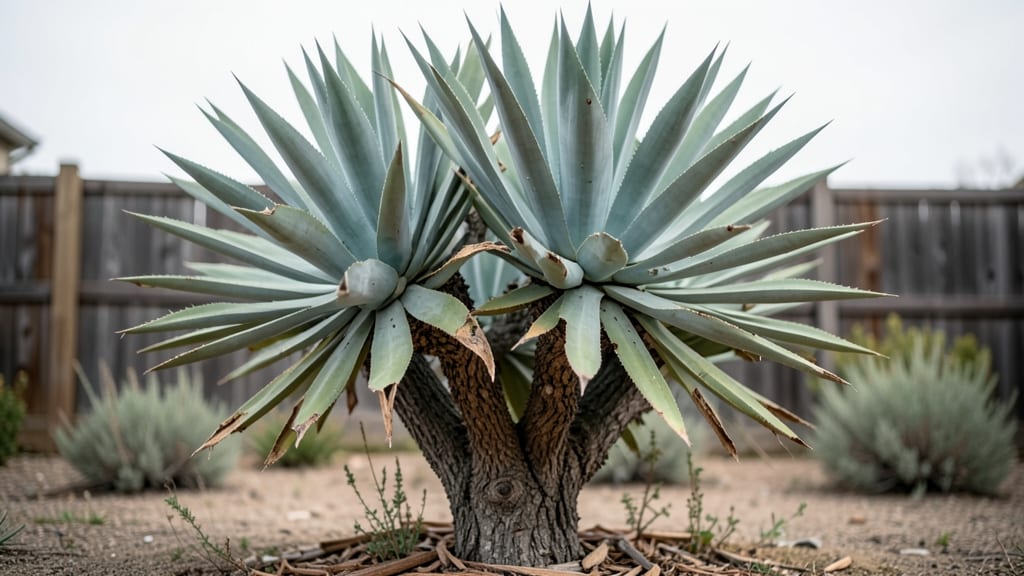
Growing Joshua tree seeds is one of the most rewarding desert gardening challenges you'll ever tackle—because these iconic blooms take real patience to nurture. 🌵 I've watched my own seedlings push through soil after three years of careful cold stratification, and there's nothing like seeing that first spiky growth in a landscape that feels like the Mojave came to life.
The secret starts with sourcing fresh seeds from a reputable supplier (never wild-collected, as that harms protected populations), then mimicking nature's cycle with 60-90 days of cold stratification in the fridge.
You'll need coarse, well-draining soil mix—think 60% cactus/succulent mix and 40% coarse sand—to prevent rot, plus a shallow planting depth of just ¼ inch. Water lightly only when the soil is bone-dry, never letting it stay soggy.
By year three, you'll see those first 6-inch stems breaking through, and with full sun exposure (6+ hours daily) and minimal watering, they'll slowly establish their signature branching. The real magic happens when they finally bloom—after 5-10 years—with those stunning white flowers that attract pollinators for miles.
This isn't a quick project, but the payoff makes every season of waiting worth it.
Fair warning: most people quit before they see results. The key is consistency—no overwatering, no rushing the stratification—and accepting that this is a 10-year commitment, not a summer hobby.
If you're in a desert climate, you can plant them outdoors after germination; cooler regions will need a greenhouse or indoor grow light setup until they're sturdy enough for transplanting.
📚 In This Guide
- What you need
- Instructions
- Tips and common mistakes
- Wrapping up and next steps
What you need
- ● Joshua Tree Seeds: 10–20 fresh, viable seeds (check for plumpness and no cracks). Pro tip: Buy from a reputable supplier or collect from a mature Joshua Tree (if legally permitted).
- ● Well-draining soil: 2–3 gallons of a mix of cactus/succulent soil (60%) and perlite or coarse sand (40%). Avoid regular potting soil—it retains too much moisture!
- ○ Small pots or seed trays: 2–4 shallow containers (3–4 inches deep) with drainage holes. Optional: Use seed-starting kits for easier handling.
- ● Spray bottle: For gentle watering—no heavy-handed watering cans!
- ● Clear plastic wrap or humidity dome: To create a mini greenhouse effect.
- ● Grow lights or sunny windowsill: Joshua Trees need bright, indirect light (6+ hours daily). A full-spectrum LED grow light works best if natural light is limited.
- ○ Heat mat (optional but helpful): A seedling heat mat (70–80°F) speeds up germination.
- ● Tweezers or toothpick: For carefully placing tiny seeds.
- ○ Fungicide (optional): A light dose of neem oil or cinnamon powder to prevent mold.
- ● Fertilizer (after germination): A balanced, diluted succulent fertilizer (5-5-5 or 10-10-10, used sparingly).
- ● Label markers: To track planting dates and seed varieties.
- ● Patience (and a journal!): Germination can take 30–90 days—document progress for fun!
Step-by-Step instructions for growing Joshua tree seeds
Here's how to coax these desert icons from seed—patience and precision are your best tools.
🌱 Step 1: Stratify Seeds for Germination
Joshua tree seeds need cold stratification to break dormancy. Place the seeds in a paper towel and dampen it with room-temperature water until evenly moist but not dripping. Fold the towel to wrap the seeds loosely, then place the bundle in a resealable plastic bag with a few small holes for airflow.
Store the bag in your refrigerator for 60-90 days. Check monthly to ensure the towel stays damp—never let it dry out completely. This mimics winter's cold snap, signaling the seed it's time to grow. After 90 days, remove the seeds and let them sit at room temperature for 1-2 weeks to complete the stratification process.
💧 Step 2: Prepare Containers and Planting Medium
Use sterile cactus/succulent mix in 4-inch pots with bottom drainage holes. Fill each pot ¾ full with the mix, leaving space for seeds. Moisten the soil lightly with lukewarm water until it feels like a damp sponge—never soggy. Joshua trees despise waterlogged roots.
Plant 1-2 seeds per pot at a depth of ¼ inch, pressing them gently into the soil. Cover the pot with clear plastic wrap to retain humidity, but prop it slightly above the soil to avoid rot. Place the pots in a bright, indirect light spot—no direct sun yet. Germination can take 3-6 months, so stay patient.
☀️ Step 3: Transition to Bright Light and Heat
Once seedlings emerge, remove the plastic wrap immediately to prevent fungal issues. Move them to a south-facing window or under grow lights providing 12-14 hours of light daily. Joshua trees need full sun but start slow—too much direct light can scorch tender new growth.
After 4-6 weeks, when seedlings show 2-3 true leaves, introduce them to direct sunlight for 2-3 hours daily, gradually increasing exposure. Keep soil slightly dry between waterings—only water when the top inch feels dry. Overwatering is the #1 killer of young Joshua trees.
⏰ Step 4: Harden Off and Prepare for Outdoor Life
After 1 year indoors, acclimate seedlings to outdoor conditions. Place them in a sheltered, shaded spot for 1-2 hours the first day, increasing time by 1 hour daily over 2 weeks. This process, called hardening off, prevents transplant shock.
Choose a well-draining, rocky soil site with full sun exposure. Plant in spring or early fall, when temperatures are mild. Space seedlings 3-4 feet apart—they grow slowly but will need room to mature. Mulch with gravel (not organic mulch) to mimic their natural desert habitat and prevent rot.
Tips & tricks for perfect Joshua tree seed germination
These desert survivors demand special care—here's how to give them the best possible start.
Stratification Precision: The 60-90 day cold period is non-negotiable for Joshua tree seeds. I learned this the hard way after trying to rush germination—seeds that didn't get proper stratification either rotted or never sprouted. Use a refrigerator with consistent 35-40°F temperatures for reliable results. Mark your calendar when you start to avoid losing track of time during this critical phase.
Moisture Management: During the 1-2 week room temperature period after stratification (Step 1), keep the paper towel consistently damp but never soggy. I use a spray bottle to mist lightly every 2-3 days rather than soaking—this prevents fungal growth while maintaining proper moisture levels. The seeds should feel like a wrung-out sponge, not dripping wet.
Light Transition Strategy: When moving seedlings to bright light (Step 3), start with 12-14 hours of indirect light before introducing direct sun. I gradually increase direct exposure by 30 minutes every 3-4 days after the 4-6 week mark—this prevents leaf scorch while hardening the seedlings. Watch for pale yellowing leaves as your warning sign of too much sun exposure.
Container Upgrade: While 4-inch pots work for initial germination, transplant seedlings to 6-inch pots after 6 months to accommodate root growth. Use pots with multiple drainage holes to prevent waterlogging, which Joshua trees absolutely cannot tolerate. I recommend terracotta pots—they wick away excess moisture better than plastic containers.
Pro Tips for Joshua Tree Seed
- These desert survivors demand special care—here's how to give them the best possible start.
- Stratification Precision: The 60-90 day cold period is non-negotiable for Joshua tree seeds.
- Moisture Management: During the 1-2 week room temperature period after stratification (Step 1), keep the paper towel consistently damp but never soggy.
Frequently asked questions
Got questions about growing Joshua tree seeds? You’re not alone—these desert natives are finicky but rewarding! Here are the most common queries to help you succeed.
How long does it take for Joshua tree seeds to germinate?
Patience is key! Joshua tree seeds can take 3 to 6 months (or even up to a year) to germinate, depending on conditions. Cold stratification (mimicking winter) for 30–60 days in the fridge boosts success. Keep soil moist but not soggy—consistency is critical.
Do I need to cold-stratify Joshua tree seeds?
Yes! Cold stratification breaks seed dormancy. Place seeds in a damp paper towel in a sealed bag, then refrigerate for 4–8 weeks. This mimics the natural winter cycle and dramatically improves germination rates. Skip this step, and you might wait years for sprouts.
Can I grow Joshua trees in pots instead of planting directly in the ground?
Start seeds in well-draining pots (cactus/succulent mix + perlite) to control moisture. Transplant outdoors after 1–2 years when roots establish. Just ensure pots have drainage holes—Joshua trees hate wet feet. A sunny windowsill or grow light helps early growth.
Why aren’t my Joshua tree seeds sprouting?
Common culprits: dampness (rot), heat (without stratification), or poor soil. Check for mold or mushy seeds—discard those. Try soaking seeds in lukewarm water for 24 hours before replanting. If still no luck, test viability by cutting open a seed (look for a green embryo).
Are there faster-growing alternatives to Joshua trees?
If you want desert vibes without the wait, try agave (germinates in weeks) or prickly pear cactus (fast-growing and drought-tolerant). For tree-like options, desert willow or palo verde are quicker but less iconic. Joshua trees are worth the wait for their striking silhouette!
Wrapping up and next steps
Growing Joshua Tree seeds may seem like a slow dance with the desert, but with patience and care, you’ll witness a true miracle—those iconic branches emerging in just three years! 🌱 Whether you’re a desert enthusiast or a budding gardener, your efforts will reward you with a unique, drought-resistant beauty that thrives in arid conditions.
Now that you’re armed with the right knowledge, it’s time to roll up your sleeves and give these resilient seeds the love they deserve.
Ready to take the next step? Start small—plant a few seeds in pots or a sunny patch of your yard, and watch your desert oasis grow.
Who knows? You might just inspire others to embrace the magic of Joshua Tree seeds and bring a piece of the Mojave into their own backyard! 🌵✨