Pruning
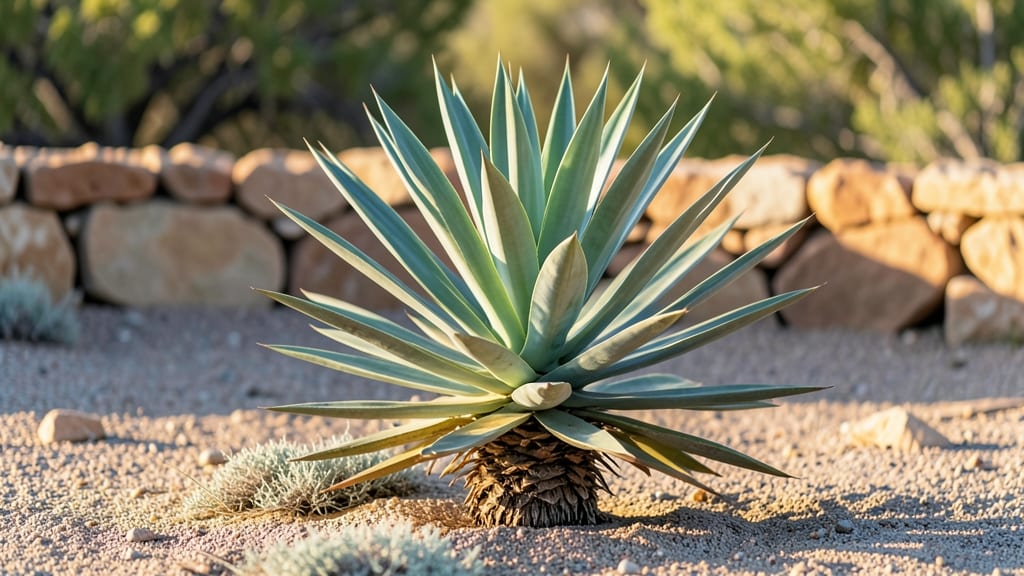
Growing Joshua tree seedlings from seed is the slowest way to create a desert icon—but the most rewarding. 🌵 I've watched these stubborn little plants push through gritty soil for years before showing their first spiky silhouette, and once they take hold, they become the backbone of a drought-proof landscape.
The key isn't rushing them; it's giving them exactly what they need from day one.
You'll need a warm, gritty soil mix that mimics their native Mojave conditions—think 60% cactus/succulent mix, 30% coarse sand, and 10% perlite. Keep them in a shallow tray with drainage holes, because Joshua trees hate soggy roots.
Germination can take 2-4 weeks if you're lucky, but don't expect it to happen overnight; these seeds are built for patience. A heat mat set to 80°F keeps them cozy without overcomplicating things.
Once sprouted, they'll grow at a glacial pace—maybe an inch a year—but that's normal. The real magic happens when they hit 3-5 years old, when their iconic twisted branches start forming. They crave full sun (at least 6 hours daily) and water only when the soil is bone-dry.
Overwatering is the #1 killer, so drip irrigation or a soaker hose on a timer works best in hot climates.
Here's the thing about Joshua trees: they're not for everyone who wants instant gratification. But if you're willing to embrace their slow, stubborn growth, you'll end up with a living piece of the Southwest desert that outlives most other plants.
The wait is worth it—for a landscape that feels like home, even in a city yard.
📚 In This Guide
- What you need
- Instructions
- Tips and common mistakes
- Wrapping up and next steps
What you need
- ● Joshua Tree Seeds: 5–10 seeds (ensure they’re fresh or cold-stratified for better germination).
- ● Seed Starting Mix: 1–2 lbs of well-draining, cactus/succulent soil blend (avoid regular potting soil—it retains too much moisture!).
- ● Containers: Small pots (4–6 inches deep) for seedlings, or
- ● A shallow tray with drainage holes for batch starting.
- ● Grow Lights or Sunny Window: A full-spectrum LED grow light (12–16 hours/day) or a south-facing window (if indoors).
- ● Misting Bottle or Spray Nozzle: For gentle hydration (overwatering is the #1 killer of Joshua Tree seedlings!).
- ● Trowel or Small Shovel: For transplanting seedlings once they’re sturdy.
- ● Labels & Marker: To track seedling progress (trust us, they’ll look identical at first!).
- ● Heat Mat: Keeps soil temps between 70–85°F for faster germination.
- ● Humidity Dome: A clear plastic cover to retain moisture during the early stages.
- ● Fertilizer: A balanced, diluted succulent fertilizer (like 5-5-5) once seedlings are 3–4 inches tall.
- ● Rocks or Pebbles: For decorating the pot and improving drainage.
- ● Outdoor Space: A sunny, sheltered spot (after seedlings are hardened off).
Step-by-Step instructions for growing Joshua tree seedlings
Here’s how to nurture these desert icons from tiny seeds into sturdy young plants.
🌱 Step 1: Prepare the Growing Medium and Containers
Start with a mix of 50% cactus/succulent soil and 50% coarse sand—this mimics the Joshua tree’s native, well-draining desert environment. Fill small pots (around 3-4 inches deep) with this blend, leaving ½ inch of space at the top. Tap the pots gently to settle the mix without compacting it too much.
I like to add a handful of perlite to each pot to boost drainage further. The goal is a gritty, almost rocky texture—Joshua tree roots need air around them, not soggy soil. Avoid garden soil; it holds too much moisture and will rot the seeds before they sprout.
💧 Step 2: Plant the Seeds Properly
Joshua tree seeds are tiny, so I use a toothpick to place 1-2 seeds per pot just below the soil surface—no deeper than ¼ inch. Press them lightly into the mix so they make contact but don’t bury them. Cover them with a thin layer of the same soil-sand blend.
Mist the surface with a spray bottle until the soil feels damp but not wet. Overwatering now will drown the seeds before they germinate. Place the pots in a warm, sunny spot (around 75-85°F)—a south-facing windowsill works well. Keep them out of direct afternoon sun until germination begins.
☀️ Step 3: Provide Warmth and Controlled Moisture
Germination can take 4-12 weeks, so patience is key. I cover the pots loosely with plastic wrap to retain humidity, but I remove it daily for 10 minutes to prevent mold. Check the soil every 3-4 days—it should stay lightly moist, like a wrung-out sponge.
Once the first green shoots appear, move the pots to bright, indirect light for a few days to harden them off. After 2 weeks of growth, gradually introduce direct morning sun (up to 4 hours daily). Avoid harsh afternoon heat until the seedlings are 3-4 inches tall—their skin is delicate at first.
⏰ Step 4: Transition to Desert-Like Conditions
When seedlings reach 4-6 inches tall, reduce watering to every 2-3 weeks, allowing the top 2 inches of soil to dry completely between waterings. This mimics the Joshua tree’s natural drought tolerance. Use a small watering can or spray bottle to avoid disturbing the roots.
By this stage, you can move them to a larger pot (6-8 inches deep) if needed, using the same soil-sand mix. Place them in a spot with full sun exposure (6+ hours daily) and warm temperatures (above 60°F). If you live in a cooler climate, consider growing them under a grow light during winter months.
🪴 Step 5: Prepare for Outdoor Planting (After 1-2 Years)
Joshua tree seedlings take 1-2 years to develop strong enough roots for transplanting outdoors. Before moving them, harden off the plants by placing them outside in a shaded, sheltered spot for 1-2 hours daily, gradually increasing exposure over 2 weeks. Choose a well-draining, sunny location with minimal competition from other plants.
Dig a hole twice as wide as the root ball but no deeper. Gently remove the seedling from its pot, loosen the roots if they’re circling, and plant it at the same depth it was growing in the pot. Water deeply once after planting, then let the soil dry completely before watering again. Mulch lightly with gravel (not organic mulch) to retain heat and prevent soil moisture loss.
Tips & tricks for growing Joshua tree seedlings
Here's what I've learned after nurturing these desert survivors from seed—avoid these common pitfalls for the best chance at success.
Soil Texture is Everything: That 50/50 cactus soil and coarse sand mix in Step 1 isn't just a suggestion—it's non-negotiable. I've tried adding too much perlite, and while it helps drainage, more than a handful can make the mix too loose for the delicate seeds to anchor properly. Think "gritty garden" rather than fluffy soil. The goal is to mimic the rocky desert floor where Joshua trees naturally grow.
Germination Timing Secret: The 4-12 week germination window in Step 3 might seem long, but don't rush it. I once tried covering pots completely with plastic wrap to speed things up, and mold took over before any sprouts appeared. That daily 10-minute uncovered period is crucial—it prevents that musty mold smell while still maintaining humidity. Patience really is a virtue with these slow starters.
Light Transition Strategy: When you move seedlings to direct morning sun after 2 weeks of growth (Step 3), start with just 2 hours rather than the full 4 hours. I learned this the hard way when a seedling turned white and crispy after too much sudden sun. Gradually increase exposure over several days—Joshua trees are desert plants, but their baby skin is sensitive. Think of it like sunbathing after winter: start slow!
Watering Wisdom: The "every 2-3 weeks" rule in Step 4 might seem extreme, but it's essential. I once watered a 6-inch seedling weekly, and it developed soft, mushy roots. Let that top 2 inches dry completely between waterings—stick your finger in the soil to check. The roots need this drought training to survive in their natural habitat. A small watering can with a narrow spout helps target the soil without disturbing the delicate stems.
Pro Tips for Joshua Tree Seedling
- Here's what I've learned after nurturing these desert survivors from seed—avoid these common pitfalls for the best ch...
- Soil Texture is Everything: That 50/50 cactus soil and coarse sand mix in Step 1 isn't just a suggestion—it's non-neg...
- Germination Timing Secret: The 4-12 week germination window in Step 3 might seem long, but don't rush it. I once trie...
Frequently asked questions
How long does it take for a Joshua Tree seedling to mature?
A Joshua Tree seedling can take 10–20 years to reach full maturity (10–15 feet tall) in ideal conditions. Patience is key—these slow growers thrive in arid climates with minimal interference. Speed up growth slightly by ensuring full sun (6+ hours/day) and well-draining soil.
Can Joshua Tree seedlings survive winter frost?
Young seedlings are frost-sensitive and may die if exposed to temperatures below 20°F (-7°C). Protect them with a lightweight frost cloth or move potted seedlings indoors during harsh winters. Mature trees handle cold better, but seedlings need tender care until established (3+ years).
How often should I water a Joshua Tree seedling?
Overwatering is the #1 killer! Water only when the top 2–3 inches of soil are bone-dry (about every 2–3 weeks in summer, less in winter). These drought-lovers store water in their thick stems—soak deeply but infrequently. Pro tip: Use a moisture meter to avoid guesswork!
What can I do if my seedling’s leaves turn brown or yellow?
Brown/yellow leaves usually signal overwatering, sunburn, or pests. Check soil moisture first—let it dry out completely. If leaves crisp in direct sun, provide partial shade for a few weeks. For pests (like scale), wipe leaves with soapy water or use neem oil. Never prune brown tips—let them fall naturally.
Can I grow a Joshua Tree seedling indoors?
Indoor growth is possible but challenging. Seedlings need bright, southern-facing light (supplement with grow lights if needed) and low humidity (use a fan). Expect stunted growth—outdoor conditions (desert heat/cold) are ideal. If indoors, ensure well-draining pots and minimal watering.
Wrapping up and next steps
Growing a Joshua tree seedling is a rewarding journey that connects you to the desert’s resilience and beauty—right in your own backyard! 🌵 With patience, the right soil, and a little TLC, you’ll nurture a living piece of the Southwest’s iconic landscape.
Whether you’re a seasoned gardener or a beginner, every small effort brings you closer to witnessing its striking branches reach for the sky.
Ready to take the next step? Start small:
- 🌱 Monitor your seedling’s progress weekly, adjusting care as it grows.
- 📅 Plan for pruning in late winter to shape its growth and encourage fullness.
- 🤝 Share your experience—join local gardening groups or online forums to swap tips and inspire others!