
Size
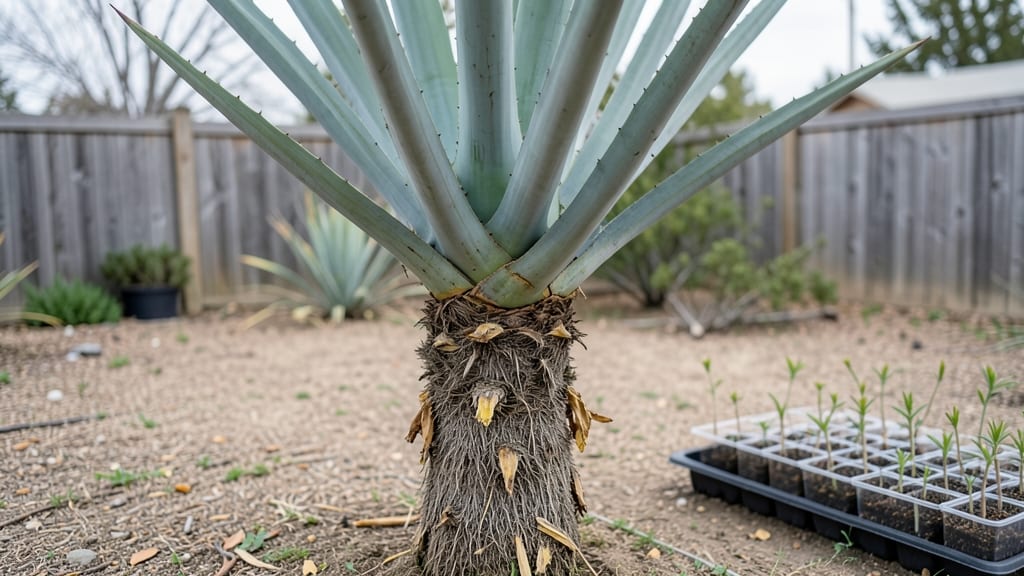
Growing Joshua tree seeds is a marathon, not a sprint—these desert survivors demand sun, time, and stubborn persistence before they reward you with that iconic, spiky silhouette. 🌵 I’ve watched mine push through soil like a slow-motion time-lapse, and the wait is worth every cracked pot and scorched fingertip.
The key isn’t rushing them but mimicking their harsh native conditions: dry heat, gritty soil, and zero coddling.
You’ll need just three things to start: fresh seeds (or scarified ones for faster results), a mix of 50% sand and 50% cactus soil, and a container with drainage holes—no fancy greenhouse needed. These seeds hate moisture, so keep them barely damp and in full sun from day one.
Most people quit here, but the magic happens when you embrace the desert’s rhythm: water only when the soil is bone-dry, and never let them sit in saucers of water.
By year two, you might see a tiny, stubborn shoot—thin as a toothpick and slower than molasses—but that’s when the real work begins. These plants take 10+ years to mature, but each inch of growth is a victory lap in desert gardening.
The payoff? A living piece of the Mojave, thriving where most plants would wither, its branches eventually stretching toward the sky like a silent sentinel.
Fair warning: this isn’t for impatient gardeners. But if you’re willing to play the long game, there’s nothing quite like watching a Joshua tree transform your yard into a pocket of the wild. Let’s get those seeds planted—and then wait.
📚 In This Guide
- What you need
- Instructions
- Tips and common mistakes
- Wrapping up and next steps
What you need
- ● Joshua Tree seeds: 5–10 seeds (fresh or stored properly—see pro tips below).
- ● Well-draining cactus/succulent soil mix: 2–3 gallons (avoid regular potting soil—it’s too dense!).
- ● Seed-starting tray or small pots: 3–4" diameter (biodegradable pots work great for transplanting later).
- ● Gravel or perlite: 1–2 cups (for drainage layer at the bottom of pots).
- ● Spray bottle with water: For gentle hydration (no soaking!).
- ○ Clear plastic dome or plastic wrap: To create a mini greenhouse effect (optional but helpful).
- ● Tweezers or toothpick: For careful seed placement.
- ● Small hand trowel: For mixing soil and gravel.
- ● Grow lights or sunny windowsill: South-facing window or LED grow lights (12–14 hours/day).
- ○ Thermometer (optional): To monitor soil temps (ideal: 70–80°F for germination).
- ● Fertilizer (balanced, diluted): 10-10-10 or succulent-specific feed (use sparingly after 3 months).
- ● Seed prep: Soak seeds in warm water for 24–48 hours before planting to soften the hard outer shell.
- ● Patience is key: Germination can take months—don’t give up if nothing sprouts in 30 days!
- ● Avoid overwatering: Let soil dry completely between waterings once sprouted.
- ● Hardening off: Gradually expose young seedlings to outdoor conditions (if in a desert climate) after 6 months.
Step-by-Step instructions for growing Joshua tree seeds
Here's how to coax these desert icons from tiny seeds with the right timing and care.
🌱 Step 1: Stratify Seeds to Break Dormancy
Joshua tree seeds need a cold treatment to mimic desert winter conditions. Place them in a sealed plastic bag with a damp paper towel and store in your refrigerator for 6-8 weeks. Check weekly—the towel should stay moist but not dripping. This cold period tricks the seed into thinking winter has passed and spring is coming.
I like to label the bag with the date so I don't forget. After 6-8 weeks, remove the seeds and let them sit at room temperature for 24 hours before planting. This final warm-up helps kickstart germination. Real talk: if you skip stratification, you might wait years for germination—or never see sprouts at all.
💧 Step 2: Plant in Well-Draining Desert Mix
Fill small pots with a mix of 50% cactus/succulent soil and 50% perlite to create a fast-draining medium. Joshua trees hate soggy roots, so drainage is critical. Plant seeds ¼ inch deep—any deeper and they may rot before sprouting. Use a toothpick to make tiny holes if the mix is too dense.
Water lightly after planting, just enough to moisten the surface. Place pots in a shallow tray lined with pebbles to catch excess water. You'll know moisture is right when the surface looks slightly damp but not glistening. Keep the tray in bright, indirect light for now—direct sun can overheat the tiny seeds.
☀️ Step 3: Provide Warmth and Bright Light
Move pots to a warm spot with bright, indirect light once seeds are planted. A south-facing window works, but supplement with a grow light if natural light is weak. Joshua trees need high light intensity to grow strong, but avoid harsh midday sun until seedlings are established.
Keep soil lightly moist but never soggy. You'll see first true leaves in 4-8 weeks if conditions are right. Here's the thing—these seedlings grow very slowly at first. Don't panic if growth seems sluggish. Patience is key with Joshua trees; they're built for desert survival, not speed.
⏰ Step 4: Gradually Acclimate to Full Sun
After 6-8 weeks, when seedlings show 3-4 true leaves, begin hardening them off. Place pots outside in a sheltered spot for 1-2 hours daily, gradually increasing exposure over 2 weeks. Joshua trees need full sun once mature, but their delicate first leaves can scorch easily.
Watch for color changes—healthy leaves stay deep green, while sunburned leaves turn yellow or brown. If you see stress, move them to partial shade for a few days before trying again. Once they tolerate full sun without damage, they're ready for their desert home. Real talk: this is where most growers give up, but sticking with it pays off in years.
🪴 Step 5: Transplant to Larger Pots or Ground
When seedlings reach 6-8 inches tall (which may take 1-2 years), transplant to 5-gallon containers or directly into the ground in USDA zones 9-11. Joshua trees need excellent drainage—amend heavy soil with sand or gravel if planting outdoors. Space plants 10 feet apart to allow for their eventual size.
Water deeply after transplanting, then reduce frequency. Mature Joshua trees are drought-tolerant, but young plants need weekly watering during their first growing season. You'll know they're thriving when new growth appears in spring and they develop their iconic twisted branches. This is the moment that matters—proof your patience paid off.
Tips & tricks for growing Joshua tree seeds
These hard-won insights will help you navigate the tricky world of Joshua tree germination with confidence.
Stratification Success: The 6-8 week cold treatment in Step 1 is non-negotiable for breaking dormancy, but here's the secret: wrap your bag of seeds in a second plastic bag to prevent condensation buildup. Too much moisture during stratification can cause mold. I also recommend placing a small piece of chalk in the bag—it helps absorb excess moisture without drying out the towel. This keeps your seeds happy and healthy during their winter nap.
Planting Precision: When planting your seeds ¼ inch deep in Step 2, think "light and airy" rather than "deep and snug." Gently press the soil around the seeds rather than packing it down. Joshua tree seeds need good air circulation to prevent rot. If your mix feels too dense, add a little extra perlite—up to 60% perlite if needed—to ensure proper drainage. Remember, these seeds come from a desert where water is scarce, not a swamp!
Light Management: During the bright, indirect light phase in Step 3, I've found that placing pots on a rotating tray helps prevent seedlings from leaning toward one light source. Rotate the tray ¼ turn every 2-3 days to encourage even growth. If you're using a grow light, position it 6-12 inches above the plants and keep it on for 12-14 hours daily. These seedlings are slow starters, so consistency is key—don't be tempted to move them too soon.
Hardening Off Strategy: For the 1-2 hour daily sun exposure in Step 4, I recommend starting with morning sun only. Morning light is less intense than afternoon sun, giving your delicate seedlings a gentler introduction. Watch for tiny white hairs on the underside of leaves—this is a sign of sun stress. If you see them, move your plants back to partial shade for a day or two before trying again. This gradual approach builds resilience that'll pay off when you finally transplant.
Pro Tips for Joshua Tree Seeds How To Grow
- These hard-won insights will help you navigate the tricky world of Joshua tree germination with confidence.
- Stratification Success: The 6-8 week cold treatment in Step 1 is non-negotiable for breaking dormancy, but here's the secret: wrap your bag of seeds in a second plastic bag to prevent condensation buildup.
- Planting Precision: When planting your seeds ¼ inch deep in Step 2, think "light and airy" rather than "deep and snug."
Frequently asked questions
How long does it take for Joshua Tree seeds to germinate?
Germination can take anywhere from 2 weeks to 6 months, depending on conditions. Cold stratification (4–6 weeks in the fridge) is key—don’t rush it! Warmth and moisture after stratification speed things up, but consistency is critical. Patience is your best friend here.
Do I really need to cold-stratify Joshua Tree seeds?
Yes—absolutely!
Cold stratification mimics winter, breaking seed dormancy. Skip it, and germination rates will plummet. Place seeds in a damp paper towel, seal in a bag, and refrigerate for 4–6 weeks. Pro tip: Label your bag with the date to track progress.
Can I grow a Joshua Tree indoors?
While possible, it’s challenging. Joshua Trees thrive in full desert sunlight and extreme heat—indoors, they’ll likely stay stunted. If you try, use a south-facing window or grow lights (12+ hours/day) and a heat mat. Expect slow growth; outdoors is ideal for long-term success.
What if my seeds mold or rot?
Mold or rot usually means too much moisture. Joshua Tree seeds need just enough dampness to stay hydrated but not soggy. Use sterile, well-draining soil (like a cactus mix) and avoid overwatering. If mold appears, discard the batch and restart with fresh seeds.
How big should my Joshua Tree seedlings be before transplanting?
Wait until seedlings are 3–4 inches tall and have 2–3 sets of true leaves (not just the initial seed leaves). Harden them off for 1–2 weeks by gradually exposing them to outdoor conditions. Transplant in spring or early fall to avoid heat stress.
What’s the best soil mix for Joshua Tree seeds?
Use a fast-draining, mineral-rich mix—think 60% cactus soil, 30% perlite/pumice, and 10% coarse sand. Avoid peat-heavy blends; Joshua Trees hate soggy roots. A 50/50 blend of cactus soil and pumice works wonders for airflow.
Wrapping up and next steps
Growing Joshua Tree seeds is a journey of patience and reward—one that connects you to the rugged beauty of the desert. With the right soil, sunlight, and care, you’ll nurture a living piece of the Southwest’s iconic landscape.
Whether you’re a seasoned gardener or a curious beginner, every small step brings you closer to witnessing those signature arms reach for the sky! 🌵✨
Ready to take the next step? Start small:
- Gather seeds from a trusted source (or save your own!).
- Set up your growing space—even a sunny windowsill will do!
- Share your progress with fellow plant enthusiasts for tips and encouragement.