
Watering
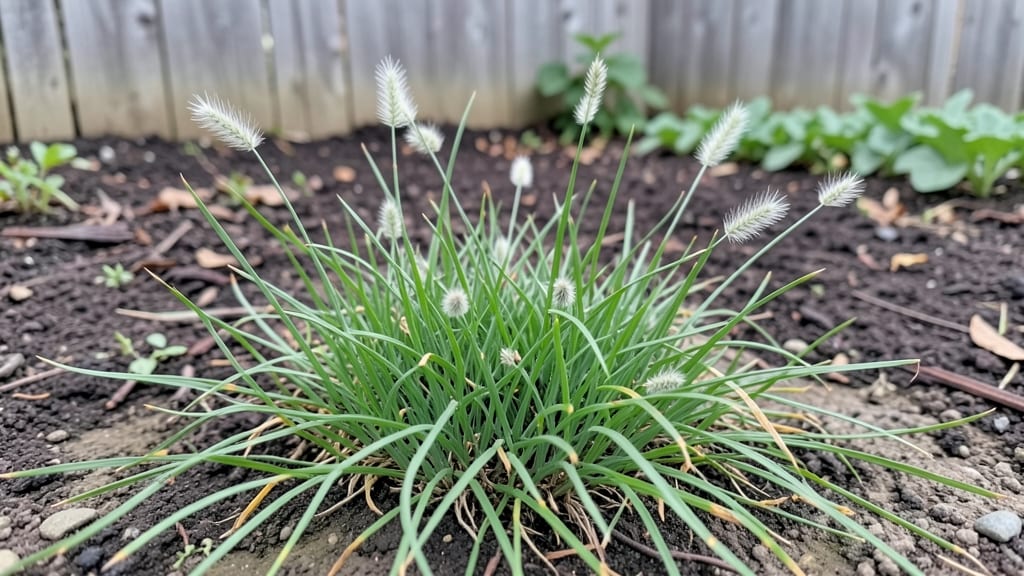
Growing Kentucky bluegrass seedlings starts with keeping that soil perfectly moist—too dry and they’ll die before they sprout, too wet and they’ll rot. I’ve watched my lawn transform from patchy to vibrant just by mastering this balance, and I’ll show you exactly how to get it right from day one.
The secret isn’t complicated: you’ll need a fine seedbed with just the right texture, a light sprinkle of seed, and a watering can that delivers gentle, consistent moisture. Most people overwater or underestimate how often to check the soil—your seedlings need dampness like a sponge, not a swamp.
A simple test with your finger tells you everything: if the top inch feels dry, it’s time to water again.
Within two weeks, you’ll see those first tiny blades pushing through, and with proper care, they’ll thicken into a lush carpet by early summer. The key is patience—those early days determine whether your lawn becomes the envy of the neighborhood or another failed experiment. Let’s get those seeds sprouting strong.
Works for spring or fall planting, though spring gives you the full growing season to enjoy that deep green carpet. Here’s how to keep them thriving through every stage—no guesswork, just results.
📚 In This Guide
- What you need
- Instructions
- Tips and common mistakes
- Wrapping up and next steps
What you need
- ● Kentucky bluegrass seeds: 2–4 lbs per 1,000 sq. ft. (choose high-quality, certified seeds for best results).
- ● Seedling trays or flats: 10"x20" trays with drainage holes (or biodegradable seedling pots for transplanting).
- ● High-quality potting mix: A well-draining, peat-based or coconut coir mix (avoid garden soil—it can compact and suffocate roots).
- ● Misting bottle or fine spray nozzle: For gentle, even watering without disturbing seeds.
- ● Clear plastic dome or humidity tent: To maintain moisture levels (a plastic wrap or a store-bought propagation cover works).
- ● Grow lights or sunny windowsill: Seedlings need 12–16 hours of light daily (LED grow lights are ideal for consistent results).
- ● Thermometer & hygrometer: To monitor temperature (65–75°F) and humidity (80–90% for germination).
- ● Seedling heat mat: Speeds up germination if your space is cool.
- ● Fertilizer (low-nitrogen, water-soluble): Diluted to half-strength once seedlings sprout (e.g., 5-10-5 ratio).
- ● Tweezers or small rake: For gently pressing seeds into the soil without burying them too deep.
- ● Fan (small, adjustable): Encourages stronger stems by creating gentle airflow after germination.
Step-by-Step instructions for growing Kentucky bluegrass seedlings
Here’s how to create ideal moisture conditions for strong, even germination and lush lawn growth.
Prepare the Soil for Even Moisture
Start by raking the soil surface to break up any clumps and create a fine, loose texture. Kentucky bluegrass seedlings need a smooth bed to ensure even contact with moisture. Use a garden rake to level the area, removing any debris or rocks that could disrupt seed placement or water flow.
Test the soil moisture by grabbing a handful—it should hold together lightly when squeezed but not feel soggy. If it crumbles, water the area lightly until it reaches this ideal consistency. This preparation ensures seeds stay hydrated without sitting in waterlogged pockets, which can cause rot or uneven sprouting.
Spread Seedlightly and Evenly
Use a broadcast spreader to distribute the seed evenly across the prepared soil. Walk in straight lines, overlapping slightly with each pass to avoid thin or thick patches. Aim for a coverage rate of about 10-15 pounds per 1,000 square feet—this ensures dense growth without overcrowding.
After spreading, lightly rake the area again with a fine-toothed rake. This gently presses seeds into the soil while keeping them just below the surface. Pressing too hard can bury seeds too deep, delaying germination. Look for a uniform layer where seeds are barely covered—this balance is key for consistent moisture uptake.
Water Gently and Frequently
Water the seeded area immediately after planting with a fine mist or gentle sprinkler. The goal is to keep the soil surface damp but not saturated—think of a damp sponge, not a soggy one. Use ¼ to ½ inch of water per day, split into two light waterings (morning and evening) to prevent evaporation and crusting.
Check daily by pressing a finger into the soil. The top ½ inch should feel moist but not wet. Overwatering can wash seeds away or create anaerobic conditions that stunt growth. If the soil dries out, water again immediately—Kentucky bluegrass seeds need consistent moisture to germinate within 7-21 days, depending on temperature.
Maintain Moisture Until Germination
Once seeds sprout, reduce watering slightly but keep the soil consistently moist. Seedlings are shallow-rooted and vulnerable to drying out. Water early in the day to allow foliage to dry before evening, reducing fungal risks. Use a soaker hose or drip irrigation to deliver water directly to the roots without disturbing delicate sprouts.
Watch for signs of stress: wilting or yellowing leaves mean the soil is too dry, while muddy footprints or glossy soil indicate overwatering. Adjust your watering schedule based on weather—hot, windy days may require more frequent light waterings, while cooler, humid days can stretch the time between waterings.
Transition to Regular Lawn Care
After 4-6 weeks, when seedlings reach 2-3 inches tall, gradually reduce watering frequency but increase depth. Deep, infrequent waterings encourage deeper root growth. Aim for 1-1.5 inches of water per week, including rainfall, to establish a strong root system before transitioning to standard lawn maintenance.
Mow when grass reaches 3-4 inches tall, cutting no more than ⅓ of the blade height at a time. This prevents shock and ensures a thick, resilient lawn. With consistent moisture and care, your Kentucky bluegrass will develop into a lush, durable carpet that handles foot traffic and seasonal changes with ease.
Tips & tricks for perfect Kentucky bluegrass sprouting
Mastering the moisture balance is what separates a patchy lawn from a lush carpet of Kentucky bluegrass. Here's how to avoid common pitfalls and give your seedlings the best possible start.
Soil Preparation Secret: In Step 1, when preparing the soil, don't just rake—focus on creating a fine, crumbly texture that mimics a well-aerated cake batter. This ensures water penetrates evenly rather than pooling in low spots. I've found that adding a thin layer of compost (about ¼ inch) before raking helps retain moisture while preventing compaction. The goal is that perfect "damp sponge" consistency where water drains but doesn't pool.
Seed Placement Technique: During Step 2, when you're pressing seeds into the soil, think of it like dusting powdered sugar on cake—just enough to cover but not bury. Use the back of your rake to gently press seeds so they're barely covered (about ¼ inch deep). This shallow placement is crucial because Kentucky bluegrass seeds need light to germinate. Too deep and they'll struggle; too shallow and they'll dry out.
Watering Precision: The ¼ to ½ inch daily measurement in Step 3 can be tricky to visualize. Here's my test: place an empty tuna can (3-inch diameter) in your lawn after watering. If it collects ¼ to ½ inch of water, you're in the perfect range. Early morning watering (before 9 AM) is ideal because it gives foliage time to dry, reducing fungal risks. I've seen seedlings develop fungal issues when watered in the evening—don't make my mistake!
Germination Timeline: Remember that 7-21 day window from Step 3 is highly temperature-dependent. In spring (50-60°F), germination typically takes the full 21 days, while summer (70-80°F) can see sprouts in just 7-10 days. Keep a germination journal by marking seed locations with small flags—it's fascinating to track how different microclimates affect sprouting rates in your yard.
Pro Tips for Kentucky Bluegrass Seedling
- Mastering the moisture balance is what separates a patchy lawn from a lush carpet of Kentucky bluegrass.
- Soil Preparation Secret: In Step 1, when preparing the soil, don't just rake—focus on creating a fine, crumbly texture that mimics a well-aerated cake batter.
- Seed Placement Technique: During Step 2, when you're pressing seeds into the soil, think of it like dusting powdered sugar on cake—just enough to cover but not bury.
Frequently asked questions
Got questions about nurturing your Kentucky bluegrass seedlings? You’re not alone! Here are answers to the most common concerns—so you can grow a lawn that’s the envy of the neighborhood.
How often should I water Kentucky bluegrass seedlings?
Keep soil consistently moist (not soggy!) for the first 2–3 weeks—water lightly daily (or twice daily in hot/dry climates). Once seedlings sprout, shift to 1–1.5 inches per week, splitting into shorter sessions to avoid runoff. Deep but infrequent watering encourages strong roots.
When will Kentucky bluegrass seedlings germinate?
Germination typically takes 7–21 days, depending on soil temp (ideal: 60–75°F) and moisture. Pro tip: Cover seeds with ¼-inch soil and keep them damp—patience pays off! If nothing sprouts after 3 weeks, check for compacted soil or uneven watering.
Can I use Kentucky bluegrass seedling plugs instead of seed?
Yes! Seedling plugs (pre-grown grass) offer faster results (established in 2–4 weeks) and reduce weeds. They’re pricier but ideal for high-traffic areas. For seeds, expect 4–6 weeks to fill in. Choose plugs if you’re short on time or dealing with poor soil.
What should I do if my Kentucky bluegrass seedlings look yellow or wilted?
Yellowing often signals overwatering or fungus (like dollar spot). Wilted seedlings? Check for underwatering or heat stress. Fix it:
- Adjust watering—aim for 1 inch/week.
- Improve drainage if soil stays soggy.
- Apply fungicide if spots appear.
Is Kentucky bluegrass seedling-friendly in hot or cold climates?
Kentucky bluegrass thrives in cool seasons (60–80°F) but can boltz (turn brown) in extreme heat (>90°F). For hot climates, water deeply in mornings and consider shade cloth during sprouting. In cold areas, wait until soil warms to 50°F+ to plant—never in frost!
Wrapping up and next steps
Cultivating Kentucky bluegrass seedlings into a vibrant lawn is all about patience, precision, and the right balance of moisture—just like nurturing a prized garden! 🌱 By following the steps outlined here, you’ve set the stage for thick, resilient grass that’ll be the envy of your neighborhood. Remember: consistency is key—whether it’s keeping soil evenly damp or adjusting watering as seasons shift.
Now that you’re armed with the know-how, roll up your sleeves and get growing! Start by planting your seedlings this weekend, and soon, you’ll be sipping lemonade on a lush, green carpet of grass. Need a refresher? Bookmark this guide or jot down your watering schedule—your future lawn will thank you! 💧✨