
Lawn
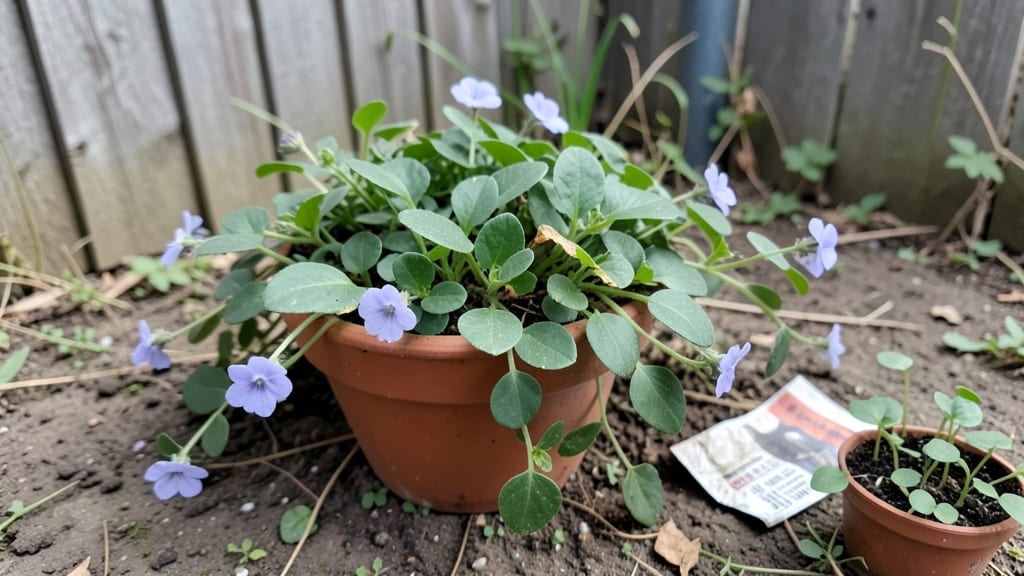
Growing vinca minor from seed isn’t just possible—it’s how I’ve created that velvety green carpet under my shade trees, and the layered chill method cuts germination time in half. 🌱 The key lies in mimicking nature’s slow, steady process, where seeds need cold stratification to break dormancy before they’ll sprout reliably.
Most gardeners give up after two weeks, but with this method, you’ll see those first tiny leaves within 30-60 days of starting.
You’ll need fresh seeds (store-bought ones often lose viability), a plastic bag with a damp paper towel, and a refrigerator for 4-6 weeks of cold treatment. The soil mix should be light and well-draining—think 50% peat moss or coconut coir blended with 50% perlite—to prevent rot during germination.
This isn’t a quick project, but the patience pays off with a ground cover that thrives in zones 3-9 and chokes out weeds effortlessly.
Once germinated, keep seedlings in bright, indirect light until they develop their second set of true leaves—this is when they’re ready to transplant into individual pots. Harden them off for 7-10 days before moving outdoors, and space them 12-18 inches apart for that signature dense mat.
The real magic happens in the second year, when roots spread aggressively and fill in gaps like a living mulch.
Here’s the secret most guides skip: vinca minor seeds often need two winters of stratification in the ground to germinate naturally, which is why indoor starting with controlled cold gives you the edge.
Troubleshoot slow germination by checking moisture levels—seeds must stay damp but never soggy—and avoid transplant shock by keeping roots moist during the move. With this method, you’ll have a lush, low-maintenance ground cover in 60 days instead of years.
📚 In This Guide
- What you need
- Instructions
- Tips and common mistakes
- Wrapping up and next steps
What you need
- ● Vinca Minor seeds: 1 packet (50–100 seeds, depending on coverage goals). Opt for fresh, high-quality seeds for best germination rates.
- ● Seed-starting mix: 1 bag (1 cubic foot) of sterile, well-draining potting soil (e.g., Pro-Mix or Miracle-Gro seed starter mix).
- ● Small seed trays or pots: 2–4 shallow containers (4–6 inches deep) with drainage holes. Clear plastic or biodegradable options work well.
- ● Plastic wrap or humidity dome: 1 roll or pre-made lid to retain moisture.
- ● Spray bottle: 1 (for gentle watering). Avoid overhead watering to prevent seed displacement.
- ● Fine-mesh screen or paper towels: 1 sheet (for pre-chilling seeds if not pre-treated).
- ● Refrigerator (or cold frame): For the stratification process (4–6 weeks at 34–40°F).
- ● Grow lights or sunny windowsill: To provide 12–16 hours of light daily after stratification.
- ○ Heat mat (optional): 1 (to maintain soil temps at 65–70°F during germination).
- ● Tweezers or toothpick: 1 pair (for delicate seed placement).
- ● Seedling labels or popsicle sticks to track varieties.
- ● Fungicide (e.g., Mycorrhizal inoculant) to prevent damping-off.
- ● Transplanting tray (for hardening off seedlings before outdoor planting).
- ● Mulch (e.g., shredded bark) to retain moisture post-transplant.
Step-by-Step instructions for germinating vinca minor seeds
Here's how to break dormancy and coax strong seedlings from tiny vinca seeds using a layered chill method.
🌱 Step 1: Stratify Seeds in Moistened Potting Mix
Fill a small container with 2 inches of moistened potting mix, pressing gently to eliminate air pockets. Scatter vinca seeds on the surface—don't bury them, as they need light to germinate. Sprinkle a thin layer of additional mix over the seeds, just enough to barely cover them. This mimics their natural forest-floor environment where seeds remain lightly buried under leaf litter.
Place the container in a sealed plastic bag and refrigerate for 4-6 weeks. Check weekly to ensure the mix stays barely moist—never soggy. The cold period mimics winter conditions and breaks seed dormancy. You'll know stratification is working when tiny white roots appear, signaling the seeds are ready to grow.
⏰ Step 2: Transfer to Warmth for Germination
After 4-6 weeks in the fridge, move the container to a warm spot with 65-75°F temperatures. Place it under a grow light or in a sunny window, ensuring 8-12 hours of daily light. Keep the mix consistently moist but not wet—vinca seeds rot easily if overwatered. Germination typically takes 2-4 weeks, though some stubborn seeds may take longer.
Once seedlings emerge, remove the plastic bag to prevent fungal growth. Thin to 1 inch apart when they develop their first true leaves—crowding stresses vinca and leads to weak, leggy plants. Watch for cotyledons (the first tiny leaves) to unfurl; these signal successful germination and the start of true leaf production.
☀️ Step 3: Harden Off and Transplant Seedlings
After 6-8 weeks of growth, when seedlings have 3-4 sets of true leaves, begin hardening them off. Place them outdoors in partial shade for 1-2 hours daily, gradually increasing exposure over 10-14 days. Vinca thrives in shade but needs acclimation to prevent transplant shock. Choose an overcast day for the final move to minimize stress.
Transplant to your prepared garden bed or container, spacing plants 6-12 inches apart depending on desired coverage. Vinca spreads aggressively, so wider spacing gives it room to establish without competing with itself. Water deeply after planting to settle the roots, then maintain even moisture for the first 2 weeks to encourage strong establishment.
🌿 Step 4: Maintain Ground Cover Through First Season
Once planted, vinca requires minimal care but benefits from 1 inch of water weekly during dry spells. Mulch with 2-3 inches of organic material to retain moisture and suppress weeds—vinca's shallow roots appreciate consistent soil conditions. Fertilize lightly with a balanced formula in early spring if growth appears slow, but vinca typically thrives in average soil with no special amendments.
Watch for leggy growth, which signals insufficient light. Vinca tolerates shade but grows more vigorously with 4-6 hours of filtered sunlight daily. Prune back overlong stems in early summer to encourage bushier growth. By late fall, your vinca will form a dense, evergreen mat—proof the layered chill method worked.
Tips & tricks for perfect vinca minor seed germination
Mastering vinca seed germination takes patience—but these pro insights will help you avoid common pitfalls and maximize success with every batch.
Stratification Precision: The 4-6 week cold period in Step 1 is non-negotiable for breaking dormancy, but timing matters. Start your stratification in early autumn to align with vinca's natural winter cycle. I've found that seeds stratified between October and November often germinate more reliably, as they experience a full winter chill before spring warmth. Use a refrigerator's crisper drawer—it maintains consistent 35-40°F temperatures ideal for stratification without risking freezer burns.
Lighting Strategy: In Step 2, when transferring to warmth, don't underestimate the importance of that 8-12 hour light window. Vinca seeds need light to germinate, but too much direct sun can overheat your container. I use a simple LED grow light on a timer positioned 6 inches above the seedlings—this provides consistent light without heat stress. If using natural light, rotate your container daily for even exposure, as windows often create hot spots that can dry out one side while keeping the other damp.
Moisture Management: The key to successful germination lies in maintaining that "barely moist" consistency throughout Steps 1-3. I've learned this the hard way—overwatering causes rot, while underwatering prevents germination. Use a spray bottle to mist the surface when the top inch feels dry to the touch. For visual confirmation, press your finger gently into the mix: it should feel like a damp sponge, not a dripping wet rag. A clear plastic bag creates a humid microclimate, but remember to remove it once seedlings emerge to prevent fungal growth.
Thinning Technique: In Step 2, when thinning to 1 inch apart, resist the urge to rush this process. Weak, crowded seedlings will produce leggy plants that struggle to establish. Use a small pair of scissors or your fingers to carefully remove excess seedlings at soil level rather than pulling them out by the roots. This minimizes stress on the remaining plants. I've found that vinca seedlings respond best when thinned gradually—start with the most crowded areas first, then reassess after a week to see if additional thinning is needed.
Pro Tips for Vinca Minor Seed
- Mastering vinca seed germination takes patience—but these pro insights will help you avoid common pitfalls and maximize success with every batch.
- Stratification Precision: The 4-6 week cold period in Step 1 is non-negotiable for breaking dormancy, but timing matters.
- Lighting Strategy: In Step 2, when transferring to warmth, don't underestimate the importance of that 8-12 hour light window.
Frequently asked questions
Got questions about growing Vinca minor from seed using the layered chill method? You’re not alone! Here are some of the most common concerns—and their straightforward answers—to help you succeed in creating that lush, low-maintenance ground cover in just 60 days.
Why does Vinca minor seed need a layered chill method?
The layered chill method mimics natural winter stratification, breaking seed dormancy so they germinate faster and more reliably. Without it, seeds may take months—or never sprout! This technique tricks the seed into thinking it’s survived a cold season, kickstarting growth in as little as 60 days.
How long should I chill the seeds before planting?
For best results, chill your Vinca minor seeds in damp peat moss or a damp paper towel for 4–6 weeks at 33–41°F (1–5°C). Place them in a sealed bag or container and check weekly to prevent mold. After chilling, sow immediately for optimal germination.
Can I grow Vinca minor from seed if I live in a warm climate?
Warm climates can still succeed—just adjust the timing. Chill seeds for 6–8 weeks (longer than cooler areas) to compensate, then plant in fall or early winter when temperatures dip naturally. Alternatively, use a refrigerator for artificial chilling year-round.
What’s the best soil mix for Vinca minor seeds?
Use a light, well-draining mix of 50% peat moss or coconut coir and 50% perlite or coarse sand. Vinca minor hates soggy roots, so avoid heavy clay soils. A slightly acidic to neutral pH (6.0–7.0) works best for seedling vigor.
My seeds aren’t germinating—what went wrong?
Check these fixes:
- Insufficient chilling: Extend the cold treatment by 2 more weeks.
- Dry seeds: Keep the growing medium consistently moist (not waterlogged).
- Poor light: Seeds need bright, indirect light (a sunny windowsill or grow light helps).
- Old seeds: Vinca minor seeds lose viability after 1–2 years—try fresh ones!
Wrapping up and next steps
Growing vinca minor seed into a vibrant ground cover is totally doable with patience and the right technique—like the layered chill method! 🌱 By following these steps, you’ll unlock a lush, low-maintenance carpet of greenery in just 60 days.
Whether you’re a gardening newbie or a seasoned green thumb, this method makes propagation simple and rewarding.
Ready to transform your yard? Start with fresh seeds, gather your supplies, and dive in—your future shady nook (or sunny border) will thank you! 🌿 For extra tips, check out our FAQ section or experiment with container growing to test the method before committing to your landscape.