
Trees
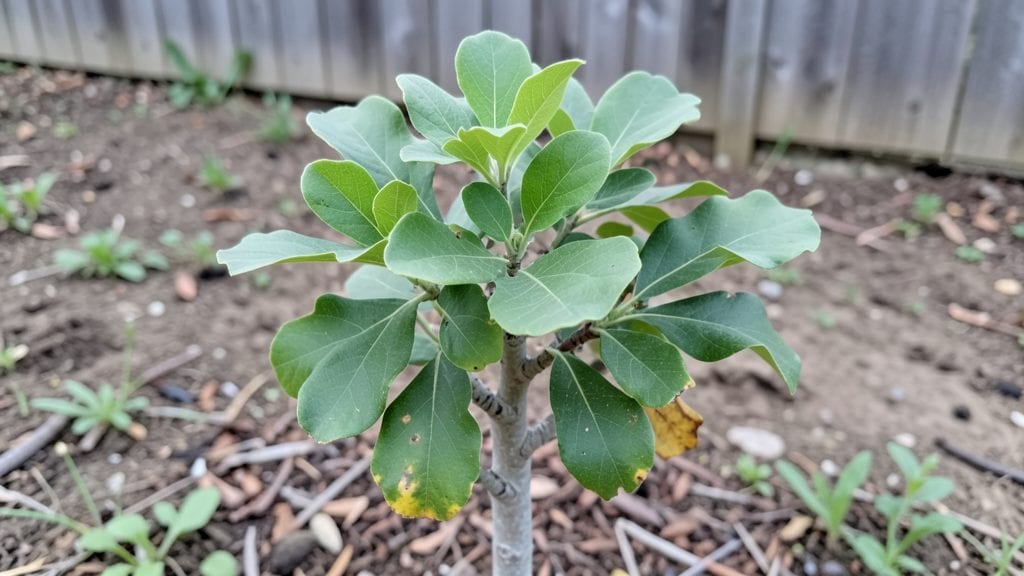
Finding a live oak seedling is easier with live oak seedling pictures—those first leaves, smooth-edged and lobed like a child’s drawing, are your first clue, but I’ll show you exactly what to watch for beyond just the shape.
The real magic happens when you recognize the growth stages: from the acorn’s first sprout to the sturdy little sapling that could one day become a 100-foot giant.
Most people skip this step and miss the best time to transplant—when seedlings are just a few inches tall. That’s when they’re tough enough to handle but still small enough to move without stress.
I’ve learned the hard way that waiting too long means wrestling with roots that refuse to cooperate, so timing matters more than you’d think.
You’ll learn to spot healthy seedlings by their glossy leaves and strong stems, plus how to tell if pests or disease are sneaking in early. A thriving young oak should feel firm to the touch and stand up straight, not leaning or wilted.
Once you master these signs, you’ll know exactly when to give them the right care—watering, soil prep, and protection from critters.
This isn’t just about identification—it’s about setting these seedlings up for a lifetime. Whether you’re restoring a landscape or just planting for future generations, the early years make all the difference. Let’s get those acorns growing right.
Root Causes of Seedling Struggles
Understanding why live oak seedlings face challenges is the first step to nurturing them into strong, towering trees. From environmental stressors to biological quirks, several key factors can hinder their growth. Let’s break down the science behind these obstacles and how they manifest in your seedlings.
Live oak acorns (Quercus virginiana) are notoriously slow to germinate—sometimes taking 12 to 18 months—and they require specific conditions to break dormancy. If these aren’t met, seedlings may fail to emerge or grow weakly.
- Insufficient Cold Stratification 🥶 Live oak acorns need a cold, moist period (stratification) to mimic winter conditions.
Without this, the embryo inside the acorn remains dormant. How it happens: Planting acorns in warm soil without a chilling phase (e.g., in spring or summer) prevents germination. Fix it: Chill acorns in a damp paper towel in the fridge for 60–90 days before planting.
- Improper Soil Moisture Acorns must stay consistently moist (not soggy) during stratification.
Too dry = dormancy persists; too wet = rot. How it happens: Forgetting to check moisture levels or planting in well-draining soil too soon. Fix it: Use a 50/50 mix of peat moss and perlite, keep it damp (like a wrung-out sponge), and plant in fall or early winter for natural moisture cycles.
- Shallow Planting Depth Acorns need light exposure to trigger germination but also soil contact for stability.
Planting too deep buries them in darkness; too shallow risks drying out. How it happens: Digging a hole that’s either too deep (3+ inches) or too shallow (less than 1 inch). Fix it: Bury acorns 1–2 inches deep in loose, well-aerated soil.
Once sprouted, live oak seedlings are extremely sensitive to temperature, sunlight, and competition. Push them too hard, and they’ll wilt, yellow, or stop growing.
- Extreme Heat or Cold Seedlings have shallow root systems and can’t regulate temperature well. How it happens:
- Heat stress: Temperatures above 90°F (32°C) can scorch leaves, causing brown edges or wilting (a condition called heat bleaching).
- Cold damage: Frosts below 25°F (-4°C) can kill tender new growth, especially in first-year seedlings. Fix it:
- Shade cloth (30–50%) during peak summer sun.
- Mulch heavily (3–4 inches of wood chips) to insulate roots.
- Avoid planting in low-lying areas where cold air pools.
- Inconsistent Watering Live oaks hate drought stress but also root rot from overwatering.
Seedlings need steady moisture without waterlogging. How it happens: - Underwatering: Leaves curl, turn brown and crispy (a sign of desiccation). - Overwatering: Yellowing leaves, mushy stems, or blackened roots (fungal infection). Fix it: - Water deeply 2–3 times per week (1–2 inches per session). - Use drip irrigation to avoid wetting foliage (which spreads disease). - Test soil moisture with your finger—top 2 inches should be dry before watering again.
- High Competition Grass, weeds, and even other plants steal nutrients and sunlight from seedlings. How it happens: Planting too close to established vegetation or neglecting weed control. Fix it:
- Clear a 3-foot radius around seedlings.
- Mulch with pine straw or wood chips to suppress weeds naturally.
- Hand-pull weeds (don’t use herbicides—they can harm young roots).
Seedlings are prime targets for pests and diseases because their thin bark and tender leaves offer little protection. Common culprits include:
- Acorn Weevils & Insect Larvae 🐛 These pests burrow into acorns before germination or munch on sprouts. How it happens:
- Acorn weevils lay eggs in fresh acorns; larvae hatch and eat the embryo.
- Grubs or cutworms chew through stems at night. Fix it:
- Inspect acorns for holes or exit tunnels before planting.
- Use neem oil spray (organic insecticide) on seedlings.
- Apply diatomaceous earth around the base to deter crawling pests.
- Fungal Infections (e.g., Root Rot, Powdery Mildew) 🍄 Overly moist conditions create fungal blooms that strangle seedlings. How it happens:
- Root rot (from waterlogged soil) causes black, mushy roots and wilting.
- Powdery mildew appears as white, powdery patches on leaves. Fix it:
- Improve drainage by amending soil with sand or compost.
- Space seedlings 6–12 inches apart for airflow.
- Spray with copper fungicide if mildew appears.
- Deer & Rodent Browsing 🦌 Young seedlings are delicious snacks for deer, rabbits, and squirrels. How it happens: Chewed stems or ring-barking (where animals gnaw around the trunk). Fix it:
- Install wire mesh cages (18-inch tall) around seedlings.
- Use deer repellent sprays (with rotten eggs or hot pepper).
- Plant in less accessible areas (e.g., near fences or dense shrubs).
Live oaks thrive in well-draining, slightly acidic soil (pH 5.0–7.0), but poor soil quality can stunt growth or cause yellowing leaves (chlorosis). Common deficiencies include:
| Symptom | Likely Cause | Solution |
|---|---|---|
| Yellow leaves (new growth) | Nitrogen deficiency | Apply balanced fertilizer (10-10-10) in spring. |
| Purple stems/leaves | Phosphorus deficiency | Work in bone meal or compost at planting. |
| Weak, spindly growth | Potassium or magnesium lack | Use wood ash (sparingly) or Epsom salt (1 tbsp/gallon water). |
| Stunted roots | Compacted or clay-heavy soil | Amend with sand and organic matter before planting. |
Pro Tip: 💡 Test your soil with a home pH kit—live oaks prefer slightly acidic to neutral soil. If your soil is alkaline (pH >7.5), mix in sulfur or peat moss to lower pH gradually.
Not all acorns are created equal—some may be non-viable or from weak parent trees, leading to poor seedling health.
- Low-Viability Acorns Some acorns are empty, shriveled, or infected before planting. How to spot them:
- Tap the acorn—if it sounds hollow, discard it.
- Check for mold or soft spots (signs of rot).
- Avoid acorns from stressed trees (e.g., those in urban areas with pollution).
- Slow Growth Rate Live oaks are naturally slow-growing, especially in their first 3–5 years. How it happens:
- Patience is key—don’t expect rapid results!
- Compare to mature trees—seedlings may look "stunted" but are following their natural timeline. Fix it:
- Be consistent with care—not rushing water or fertilizer.
- Monitor for pests/disease that could further slow growth.
Most seedling struggles boil down to three core issues:
- Germination failures (wrong timing, moisture, or depth).
- Environmental mismatches (heat, water, or competition).
- Biological attacks (pests, disease, or poor nutrition).
By diagnosing symptoms
Revive Your Seedling’s Health
Growing a live oak seedling into a towering, majestic tree is a rewarding journey—but it comes with challenges. Whether your young sapling is struggling with pests, poor soil, or environmental stress, quick action can turn things around.
Below are practical, step-by-step solutions tailored to common issues, along with prevention tips to keep your seedling thriving long-term.
Symptoms: Stunted growth, yellowing leaves, or soil that’s too compacted or waterlogged.
How to Fix It: 🔥 🌱 Loosen the Soil If the soil is hard or clay-heavy, use a hand trowel to gently aerate the top 6 inches. This improves drainage and root penetration. > Pro Tip: Mix in compost or aged bark (1 part compost to 3 parts soil) to enrich nutrients without overwhelming the seedling.
🍳 💧 Adjust Watering Habits Overwatering or underwatering can suffocate roots.
Test moisture by sticking your finger 1–2 inches into the soil: - Too dry? Water deeply until it drains through the bottom. - Too soggy? Let the topsoil dry slightly between waterings and consider a well-draining raised bed if drainage is poor.
👨🍳 🌡️ Mulch Like a Pro Spread 2–3 inches of organic mulch (pine straw, wood chips) around the base, keeping it 3–4 inches away from the trunk to prevent rot. Mulch retains moisture, regulates temperature, and deters weeds.
Symptoms: Chewed leaves, sticky residue (aphids), fungal spots, or wilting despite proper care.
How to Fix It: 🔪 🐜 Identify the Culprit
| Pest/Disease | Signs | Fix |
|---|---|---|
| Aphids | Sticky leaves, curled foliage | Spray with soapy water (1 tsp mild soap per quart of water) or introduce ladybugs. |
| Fungal Issues | Brown/yellow spots, mold | Remove infected leaves, improve airflow, and apply copper fungicide or baking soda spray (1 tbsp baking soda + 1 quart water + drop of soap). |
| Boring Insects | Sawdust-like frass near trunk | Wrap the trunk with mesh fabric or use beneficial nematodes for larvae in the soil. |
💡 Prevention Tip: Inspect seedlings weekly for early signs of trouble. Healthy seedlings with strong airflow (prune dense branches) and balanced soil (test pH—live oaks prefer 5.0–7.0) resist pests better.
Symptoms: Leaf scorch (brown edges), wilting in heat, or poor growth despite ideal soil.
How to Fix It: ⏰ 🌞 Shield from Harsh Conditions
- Too much sun? Provide dappled shade (use shade cloth or plant near existing trees).
- Extreme heat? Water early morning or late evening to reduce evaporation.
- Cold snaps? Cover seedlings with frost cloth if temperatures drop below 25°F.
🎯 🌿 Gradual Acclimation If your seedling was indoors or in a nursery, harden it off before transplanting:
- Place it outside for 1–2 hours daily, increasing time over 7–10 days.
- Ensure it gets morning sun first to avoid shock.
Once your seedling recovers, consistent maintenance keeps it on track:
- Fertilize lightly in spring with a balanced, slow-release fertilizer (10-10-10).
- Prune selectively to remove dead or crossing branches—never top the tree (it weakens the structure).
- Monitor soil health annually; live oaks love slightly acidic to neutral soil.
Remember: Patience is key—live oaks grow slowly but steadily. With the right care, your seedling will one day cast shade for generations! 🌳💪
Frequently asked questions about live oak seedlings
How can I tell if a young live oak seedling is healthy?
Look for dark green, glossy leaves with smooth edges and a sturdy stem that stands upright. Healthy seedlings should have no yellowing, wilting, or holes in leaves—signs of pests or disease. The soil around them should be moist but not soggy, and you’ll see new growth appearing regularly during spring and summer.
What’s the best time of year to plant live oak seedlings?
Plant in early spring or fall when temperatures are mild (between 50°F and 70°F). Avoid extreme heat or cold—seedlings struggle with frost below 25°F or heat above 90°F. Fall planting gives roots time to establish before winter, while spring avoids summer drought stress.
Why are my live oak seedlings growing so slowly?
Live oaks are naturally slow-growing, especially in their first 3–5 years. However, if growth seems unusually stunted, check for poor soil drainage, nutrient deficiencies, or pest damage. Amend soil with compost, ensure proper watering (not too much or too little), and protect from deer or insects. Patience is key—they’ll accelerate growth once established!
Can I transplant a mature live oak seedling, or should I start from an acorn?
Transplanting is possible, but young seedlings (1–2 years old) adapt best. Dig a hole twice as wide as the root ball and 1–2 inches deeper than the root system. Water thoroughly before and after transplanting, and provide shade for the first few weeks to reduce stress. Starting from acorns is more rewarding but requires 12–18 months of patience for germination.
How do I protect live oak seedlings from pests like deer or insects?
Use wire mesh cages (18 inches tall) to block deer and rabbits. For insects, apply neem oil spray or diatomaceous earth around the base. Mulch with wood chips to deter burrowing pests, and inspect leaves weekly for early signs of damage. Aphids and weevils are common—remove them by hand or with soapy water.