
Diseases
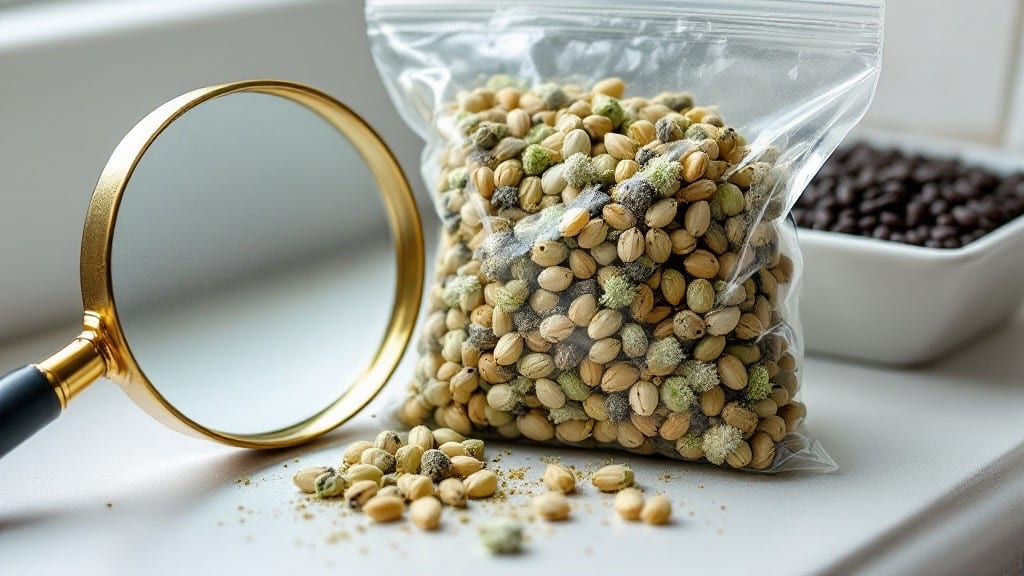
Mold on seeds can ruin an entire planting season before it starts—those fuzzy green spots mean lost potential unless you act fast. 🌱 I’ve salvaged enough seed batches to know the difference between "maybe still good" and "trash it now," and the key lies in how you handle it within the first 24 hours.
The moment you spot that musty smell or see dark spots, your seeds are already in a fight for survival.
Most mold happens because seeds get too damp or sit in poorly ventilated containers for weeks. I learned the hard way when a humid basement winter turned my heirloom tomato packet into a science experiment.
The fix starts with drying seeds completely—spread them on a paper towel in a single layer, then let them bake in the sun for a few hours. If they still smell off, a light dusting of cinnamon or copper fungicide can stop further spread.
You’ll know if they’re worth saving by testing a few: plant them in a small pot with fresh soil and watch for sprouts within 7-10 days. Healthy seeds ignore the mold; moldy ones either rot or produce weak, stunted plants.
For the rest, proper storage is your best defense—airtight containers with silica gel packets or a tiny packet of rice keep humidity at bay for years.
Once you’ve mastered the rescue, prevention becomes second nature: label seeds by year, store them in cool (not cold), dry spots, and avoid plastic bags that trap moisture. My seed stash now lives in a repurposed spice jar with a desiccant packet, and I’ve had zero mold in three seasons.
The upfront effort saves hours of heartbreak later.
The Hidden Triggers Behind Seed Mold
Mold on seeds isn’t just an annoyance—it’s a silent threat that can sabotage your garden before it even begins. Understanding why it happens is the first step to protecting your hard work.
Below, we break down the scientific causes of mold growth on seeds, so you can take action before it ruins your harvest.
Mold spores thrive in environments with excess moisture, and seeds are particularly vulnerable. When humidity levels rise above 60-70%, spores in the air land on seeds and germinate rapidly. This is especially true if seeds are stored in unventilated containers or left exposed to damp air.
🔬 Why it happens:
- Condensation buildup inside seed packets or jars traps moisture, creating a warm, humid microclimate that mold loves.
- Poor airflow prevents moisture from evaporating, giving fungal spores the ideal conditions to spread.
- Seasonal shifts (like rainy summers or humid basements) increase ambient moisture, accelerating mold growth.
💡 Pro Tip: Use silica gel packets or hygroscopic materials (like rice or cat litter) in seed storage containers to absorb excess moisture.
Seeds stored in improper conditions—like plastic bags, damp basements, or direct sunlight—are prime targets for mold. Even clean-looking seeds can harbor dormant spores that activate when exposed to the right conditions.
🔬 Why it happens:
- Plastic containers trap heat and moisture, creating a greenhouse effect that speeds up fungal growth.
- Lack of temperature control (e.g., storing seeds near heaters or in freezing garages) causes condensation, which fuels mold.
- Cross-contamination from dirty hands, tools, or previously moldy seeds introduces spores directly onto healthy ones.
💡 Pro Tip: Store seeds in airtight, food-grade containers with desiccant packets in a cool (35–40°F), dark place—like a refrigerator or root cellar.
Seeds with cracks, scratches, or weakened outer layers are easier targets for mold. This happens naturally over time or due to rough handling, pests, or improper drying after harvest.
🔬 Why it happens:
- Mechanical damage (e.g., crushing seeds during handling) breaks the protective barrier, allowing spores to penetrate.
- Improper drying post-harvest leaves seeds too moist, weakening their natural defenses against fungi.
- Pest activity (like weevils or rodents) can chew seeds, creating entry points for mold.
💡 Pro Tip: After harvesting, dry seeds thoroughly (aim for 5–8% moisture content) and store them in mesh bags or breathable fabric to prevent physical stress.
If seeds come into contact with moldy soil, compost, or contaminated water, spores hitch a ride and infect them. This is a common issue with heirloom seeds saved from gardens or seeds soaked in unsterilized water.
🔬 Why it happens:
- Reusing garden soil without sterilization introduces fungal pathogens like Aspergillus or Penicillium.
- Tap water with chlorine or organic contaminants can carry spores that cling to seeds during soaking.
- Cross-contamination in seed-saving occurs when moldy seeds mix with healthy ones during storage or processing.
💡 Pro Tip: Sterilize soil with baking soda (1 tbsp per gallon of water) or hydrogen peroxide (3%) before planting, and use filtered or boiled water for seed soaking.
By addressing these root causes—humidity, storage, seed integrity, and contamination—you can drastically reduce the risk of mold ruining your seeds. The next step? Learn how to revive moldy seeds and keep them safe for planting.
Quick Fixes for Fungal Seed Damage
Mold on seeds isn’t just an annoyance—it can ruin germination and compromise your garden’s health. The good news? With the right steps, you can often revive affected seeds and prevent future outbreaks.
Below, we break down solutions by cause, so you can tackle the problem head-on with practical, no-fuss methods.
If moisture is the culprit, the first step is removing excess humidity and disinfecting the seeds gently.
- Air-Dry Thoroughly 🌬️
- Spread seeds in a single layer on a clean, dry paper towel or mesh screen.
- Place in a well-ventilated area (like a sunny windowsill or fan-assisted spot).
- Let them dry for 24–48 hours, flipping occasionally to ensure even drying.
- Disinfect with Hydrogen Peroxide 💧
- Mix 1 part 3% hydrogen peroxide with 9 parts water.
- Soak seeds for 5–10 minutes, then rinse and dry again.
- Why? Hydrogen peroxide kills mold spores without harming viable seeds.
- Store Properly to Prevent Recurrence 📦
- Use airtight, moisture-resistant containers (like glass jars with silica gel packs).
- Keep seeds in a cool, dark place (50–70°F is ideal).
- Recheck every few months for dampness or musty smells.
If you spot black, green, or white fuzz, a vinegar soak can help neutralize fungal growth while preserving germination.
- Prepare the Soak 🍶
- Mix 1 part white vinegar with 3 parts water in a bowl.
- Add seeds and let them soak for 10–15 minutes.
- Rinse & Revive 🚿
- Drain and rinse seeds with clean water to remove vinegar residue.
- Pat dry with a paper towel and store in a breathable container (like a paper envelope) for 1–2 days to air out.
- Test Germination 🌱
- Plant a few treated seeds in moist paper towels to check if they sprout.
- If they germinate, the rest are likely salvageable!
For heavily moldy seeds (especially if they smell rancid), a bleach solution can sterilize—but use it sparingly to avoid damaging seeds.
- Dilute Bleach Solution ⚠️
- Mix 1 tsp unscented bleach with 1 cup water.
- Warning: Bleach is strong—only use this for non-organic seeds or as a last resort.
- Quick Dip & Rinse ⏱️
- Submerge seeds for 1–2 minutes max, then immediately rinse with water.
- Dry thoroughly before storing.
- Discard If Doubtful 🗑️
- If seeds are slimy, discolored, or smell foul, it’s safer to replace them than risk contaminated soil.
The best defense is a proactive routine. Here’s how to stop mold before it starts:
- ✅ Control Humidity 💧
- Store seeds in areas below 60% humidity (use a hygrometer if needed).
- Avoid basements or garages unless they’re well-ventilated and dry.
- ✅ Use Desiccants 🧴
- Place silica gel packets or rice in a breathable bag near seed storage.
- Pro Tip: Change silica gel every 6 months for maximum effectiveness.
- ✅ Rotate Your Seed Stock 🔄
- Older seeds are more prone to mold—label and use them within 1–2 years (or as per package guidelines).
- Exception: Some seeds (like peas or beans) last longer—check a seed viability chart.
- ✅ Avoid Plastic Bags 🚫📦
- Plastic traps moisture—opt for paper envelopes, glass jars, or metal tins instead.
- ✅ Freeze for Long-Term Storage ❄️
- For rare or heirloom seeds, store them in the freezer (up to 10 years for some varieties).
- Use airtight, moisture-proof bags and label clearly.
Not all seeds can be saved. Throw them out if:
- They’re covered in mold (no amount of cleaning will help).
- They smell musty or rotten (indicates deep fungal penetration).
- They’ve been stored improperly for years (germination rates drop drastically).
Replacement Tip: Buy fresh seeds from reputable suppliers or swap with gardeners—just ensure they’re stored properly to avoid repeating the issue!
By following these steps, you can rescue moldy seeds, sterilize your stash, and keep future batches safe. A little prevention now means healthier plants and happier gardening! 🌿💚
Frequently asked questions
Can I still use seeds that have a little mold on them?
Only if the mold is minimal and limited to the surface. Remove affected seeds immediately and inspect the rest for green, black, or white fuzz. Soak healthy-looking seeds in a 1:3 vinegar-to-water solution for 10 minutes, then dry and test germination. If you see any musty smells or slimy texture, discard them completely to avoid contaminating your soil.
How do I know if my seeds are too moldy to save?
Throw them out if they’re covered in mold, smell rotten, or feel slimy. Healthy seeds should have a firm texture and no visible growth. Even if they look okay, if they’ve been stored in high humidity for weeks, their viability is compromised. When in doubt, replace them—your garden’s success is worth the small cost of fresh stock.
What’s the best way to store seeds long-term to prevent mold?
Use airtight, moisture-resistant containers like glass jars with silica gel packets or uncooked rice to absorb humidity. Store them in a cool (50–70°F), dark place—never a damp basement or unventilated closet. Label seeds with the harvest year and check them every 6 months for signs of mold or mustiness.
Will drying seeds in the sun kill mold spores?
Sunlight helps, but it won’t eliminate all spores—it just slows their growth. For best results, spread seeds in a single layer on a paper towel in a well-ventilated area for 24–48 hours. Combine this with a 5-minute soak in 3% hydrogen peroxide solution to kill remaining spores. Test a few seeds afterward to confirm they’re still viable.
Can mold on seeds harm my plants after they germinate?
Yes, if you plant moldy seeds, the fungi can weaken seedlings or cause damping-off disease, killing them before they mature. Even if they sprout, moldy seeds may produce stunted, diseased plants. Always disinfect seeds before planting—it’s a small step that saves hours of frustration later.