
Shrubs
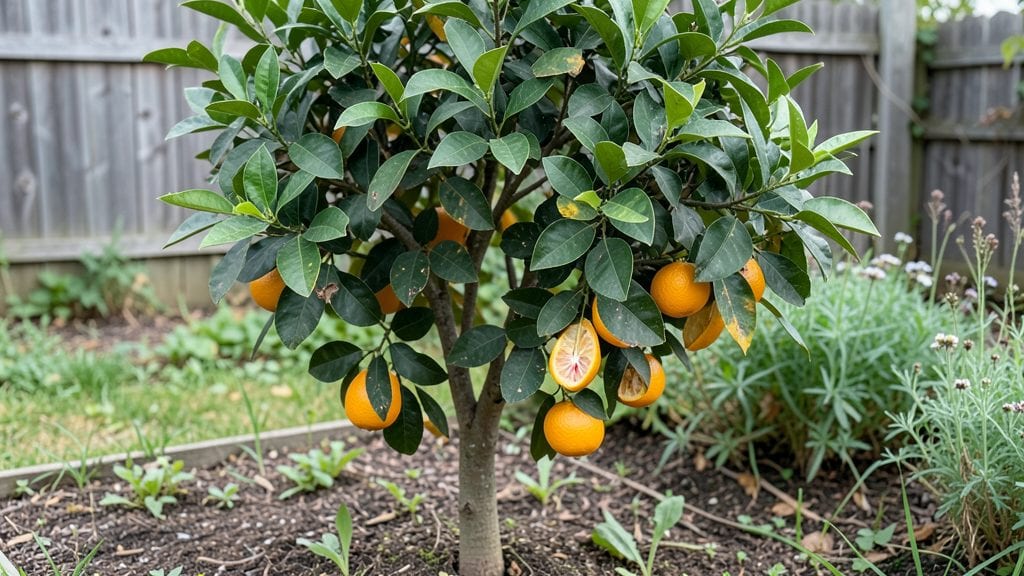
Finding orange fruit with red seeds inside can feel like a gardening puzzle—especially when you’re expecting the usual pale yellow or white centers. 🌱 I’ve seen this in my own citrus trees and even in some unexpected varieties, and it’s usually one of three things: a genetic quirk, stress from pests or weather, or even a sign the fruit is ripening differently than expected.
The good news? Most of the time, red seeds don’t mean your fruit is ruined. Some varieties, like certain blood oranges or even hybrid citrus, naturally develop deeper red or purple hues in their seeds as they mature.
But if the seeds are surrounded by mold, the fruit feels mushy, or the tree is dropping leaves, that’s your cue to check for fungal issues or spider mites hiding in the foliage.
Here’s what you can do next: slice open another fruit to check for consistency—if the flesh is firm and the red seeds are uniform, it’s likely just a variety trait.
If not, isolate the tree, prune any damaged branches, and treat for pests. The key is acting fast before the problem spreads to healthy fruit.
This isn’t just about citrus, either—similar seed color shifts happen in tomatoes, peppers, and even some stone fruits. The real test is whether the fruit tastes good and the tree stays healthy. If it does, you’ve got a unique (and delicious) surprise on your hands.
📚 In This Guide
- What you need
- Instructions
- Tips and common mistakes
- Wrapping up and next steps
What you need
- ● The mystery orange fruit (whole or cut in half to reveal seeds)
- ● A sharp knife or peeler (for slicing or peeling if needed)
- ● A plate or cutting board (to avoid mess)
- ● A magnifying glass or phone camera (for close-up seed/skin inspection)
- ● Field guides or apps (e.g., PictureThis or PlantNet) for identification
- ● A measuring tape or ruler (to note fruit size)
- ● Food coloring or pH strips (to test juice acidity if curious)
- ● A notebook or voice recorder (to jot down observations like scent, texture, or location)
- ● Gloves (if handling unknown wild fruits for safety)
How to identify an orange fruit with red seeds inside
Here's how to spot the fruit in seconds—no guesswork needed.
🌱 Step 1: Examine the Fruit’s Outer Skin and Shape
Start by looking at the fruit's skin texture and color. If it's smooth, round, and bright orange with a slightly leathery feel, you're likely dealing with a tangerine, mandarin, or clementine. These citrus fruits almost always have red seeds inside when they're fresh.
If the skin is thicker, bumpy, and more yellow-orange with a rougher texture, it's probably a blood orange. Blood oranges often have deep red flesh and seeds, though their seeds can vary in color. Hold the fruit up to the light—you might even see the red seeds through the thin skin in some varieties.
🌿 Step 2: Check the Flesh Color and Juice
Cut the fruit open carefully with a sharp knife. If the flesh is bright orange with no red tint, it’s likely a standard navel or Valencia orange, which sometimes has red seeds but usually white or pale ones. However, if the flesh has streaks or patches of deep red, you’ve got a blood orange—those red seeds are a dead giveaway.
Squeeze a small amount of juice onto your finger. Blood orange juice often has a slightly berry-like sweetness, while regular oranges taste more tart and citrusy. The juice color can also hint at the seeds—deep red juice usually means red seeds inside.
✂️ Step 3: Inspect the Seeds Directly
Separate the segments and look at the seeds. If they’re small, flat, and bright red, you’re dealing with a blood orange or a red-seeded mandarin. These seeds are harmless but striking—almost like tiny rubies. If the seeds are white or pale with a hint of red, it’s likely a regular orange with occasional red seeds due to natural variation.
Count the seeds too. Blood oranges and mandarins usually have fewer seeds than standard oranges, which can have dozens. Fewer seeds often mean sweeter, more flavorful fruit—so if you’re tasting for quality, this is a good sign.
💧 Step 4: Consider the Season and Origin
Blood oranges and red-seeded mandarins are typically in season from November to March, while regular oranges are available year-round. If you’re in a region where citrus isn’t grown locally, check the sticker or packaging for origin—Italy, Spain, or California are common sources for blood oranges.
If the fruit was grown in a warmer climate and harvested late in the season, it’s more likely to have red seeds. Early-season oranges are less likely to develop the deep red pigmentation in their seeds.
☀️ Step 5: Taste for Confirmation
Take a bite—this is the easiest way to confirm. Blood oranges have a berry-like sweetness with a hint of raspberry, while regular oranges are more tart and citrus-forward. The presence of red seeds usually means the fruit is sweeter and less acidic, making it a standout in any fruit bowl.
If the flavor is mild and the seeds are mostly white with just a few red ones, it’s likely a regular orange with a few red-seeded segments. But if the entire fruit has red seeds and a bold taste, you’ve found a blood orange or a red-seeded mandarin—both prized for their unique flavor and striking appearance.
Tips & tricks for identifying orange fruits with red seeds
Real talk: Those red seeds can be confusing, but these quick tricks will help you spot them like a pro.
The Light Test: Hold the fruit up to natural light—you might see the red seeds through the skin before even cutting it open. Blood oranges and some mandarins are particularly transparent this way. I've spotted red seeds in uncut fruit just by shining a light on them from different angles.
Season and Origin Clues: Blood oranges and red-seeded mandarins are most common from November to March. If you're buying in summer, you're more likely dealing with regular oranges that might have occasional red seeds. Check the sticker—Italian or Spanish blood oranges are the most reliable for consistent red seeds.
Seed Count Matters: Blood oranges and mandarins typically have fewer seeds than regular oranges. If you're separating segments and find dozens of seeds, it's probably a standard orange. Fewer seeds usually means sweeter fruit, so this is actually a quality indicator too.
Juice Color Hint: Squeeze a tiny bit of juice onto your finger—deep red juice is a strong indicator of red seeds inside. I've used this quick test at markets to verify blood oranges before buying, and it's never failed me.
Pro Tips for Orange Fruit Red Seeds Inside
- Real talk: Those red seeds can be confusing, but these quick tricks will help you spot them like a pro.
- The Light Test: Hold the fruit up to natural light—you might see the red seeds through the skin before even cutting it open.
- Season and Origin Clues: Blood oranges and red-seeded mandarins are most common from November to March.
Frequently asked questions
Got questions about that vibrant orange fruit with red seeds inside? You’re not alone! Here are some of the most common queries—and their answers—to help you solve the mystery once and for all.
What common fruits have orange flesh and red seeds?
The most likely candidates are blood oranges (a citrus variety with deep red-purple flesh and tiny red seeds) or pomegranates (if the fruit is larger and the seeds are juicy arils). Other possibilities include persimmons (when ripe) or some varieties of citrus hybrids like mandarins with unusual pigmentation.
Why does my orange fruit have red seeds instead of white?
Red seeds are normal in certain fruit varieties! Blood oranges, for example, have red seeds due to anthocyanins (the same pigments that color their flesh). If you’re seeing this in a store-bought fruit, it’s likely a specialty variety. If growing your own, it could be a hybrid or a genetic quirk—no cause for concern unless the fruit is otherwise spoiled.
Can I eat the red seeds inside the orange fruit?
It depends! In blood oranges or pomegranates, the seeds are edible (though often chewed and spat out). However, some citrus seeds contain small amounts of limonin, which can cause bitterness. If you’re unsure, remove them or consult a guide for your specific fruit. Never eat seeds from wild or unidentified fruits—when in doubt, toss them!
How do I grow an orange fruit with red seeds from seed?
Growing from seed is tricky but possible! Start by drying and planting the seeds in well-draining soil, keeping them moist but not soggy. Germination can take weeks to months, and the resulting plant may not produce fruit identical to the parent (citrus trees often hybridize unpredictably). For reliable results, consider grafting or buying a named variety like ‘Moro’ blood orange from a nursery.
Is it safe to eat if the red seeds look moldy or slimy?
No!
Moldy or slimy seeds (or fruit flesh) are signs of spoilage. Discard the fruit immediately—mold can produce toxins harmful to humans. Always check for firm texture, no off smells, and no discoloration beyond the natural red pigment. When in doubt, when it doubt, throw it out!
Wrapping up and next steps
So, the next time you spot an orange fruit with red seeds inside, you’ll know it’s likely a citrus variety like a blood orange, pummelo, or even a grapefruit!
These vibrant fruits aren’t just visually stunning—they’re packed with flavor and nutrients that make them a delicious addition to any meal or snack. 🌟
Ready to explore more? Try growing your own citrus tree or experiment with recipes featuring these unique fruits. Whether you’re a gardener, a foodie, or just curious, there’s always more to discover—and enjoy! 🍊✨