
How To
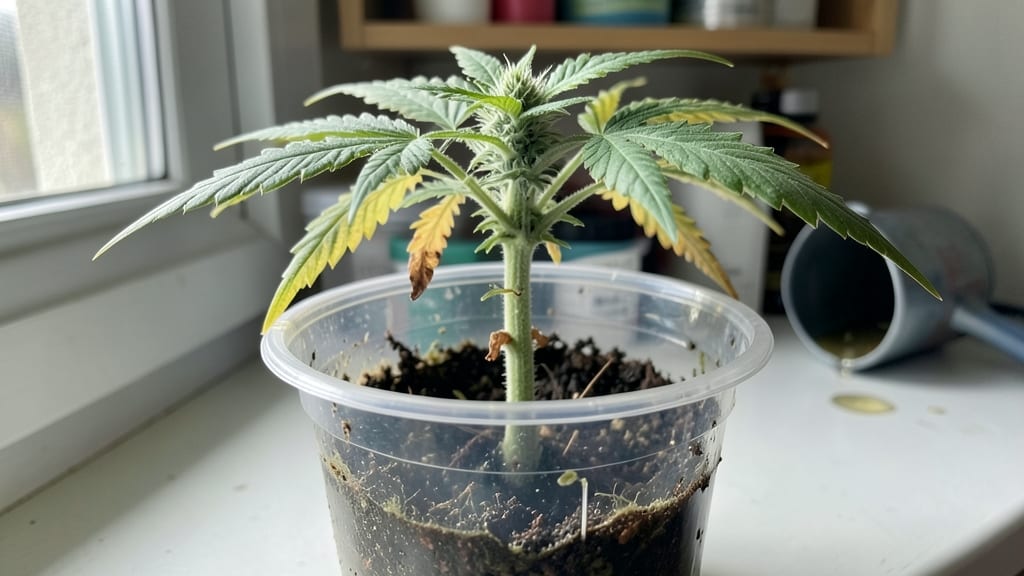
That sad, wilted look of an overwatered autoflower seedling is a grower’s worst nightmare—especially when you know how fast they can spiral out of control. 🌱 I’ve nursed back more than a few soggy seedlings by acting quickly, and the key is recognizing the signs before the roots suffocate.
Yellowing leaves, wilting despite damp soil, and that musty smell? Those are your warnings.
Autoflowers are particularly vulnerable because their short life cycle means no room for error. Overwatering stunts growth, invites mold, and can kill roots in days. The good news is that with proper drainage fixes and a gentle watering pause, most seedlings bounce back—if you catch it early.
I’ve saved plants with just a few adjustments to their pot and soil.
You’ll see new green growth within a week if you let the soil dry slightly between waterings. The roots will recover faster than you think, and your plant will keep its fast-track schedule toward harvest. Just avoid soggy soil again, and you’ll have a thriving autoflower in no time.
This works for any autoflower variety, from quick-finishing Cannabis to fast-growing herbs. The same principles apply—just scale the pot size to the plant’s needs. Let’s turn that limp seedling into a powerhouse again.
Root Causes Of Overwatering Young Plants
When your autoflower seedling gets too much water, it’s usually because of a mix of care mistakes and environmental factors. Understanding these causes helps you prevent them—and rescue your plant before it’s too late. Here’s why it happens, broken down by the most common culprits.
Autoflower seedlings thrive in well-draining soil, but many growers overlook this critical detail. Without proper drainage, excess water pools around the roots, cutting off oxygen and leading to anaerobic conditions—a root’s worst nightmare. This happens when:
- Containers lack drainage holes. Plastic cups, solo cups, or even some "breathable" pots trap water instead of letting it escape. Fix: Always use pots with drainage holes or elevate containers on a tray with pebbles to absorb excess moisture.
- Compacted or waterlogged soil. Heavy soils (like clay) or overly dense mixes retain moisture for days. Fix: Use a fast-draining mix (60% perlite, coco coir, or vermiculite) and avoid repotting too soon after germination.
- Overzealous bottom-watering. Soaking pots from below can drown roots if the soil doesn’t dry quickly enough. Fix: Bottom-water only when the top inch of soil is dry, and never leave pots sitting in water.
Autoflower seedlings have tiny, delicate root systems that can’t handle frequent watering. Unlike mature plants, they don’t need daily hydration—especially in humid conditions. Common triggers include:
- Ignoring the "finger test." Many growers water on a schedule (e.g., every 2 days) without checking soil moisture. Fix: Stick your finger 1 inch deep—if it’s damp, wait. If dry, water until it runs out the drainage hole.
- Humidity traps moisture. High humidity (above 60%) slows evaporation, making soil stay wet longer. Fix: Use a hygrometer and reduce humidity with fans or dehumidifiers if needed.
- Mistaking wilting for thirst. Seedlings may droop from underwatering or overwatering. Overwatered plants feel mushy when touched, while thirsty ones are dry and crispy. Fix: Squeeze the stem gently—if it’s squishy, you’ve overdone it.
Heat and light directly affect how fast soil dries. If your grow space is too warm or lacks proper light, your watering habits might be throwing your seedling off balance.
- High heat speeds up evaporation—but not always evenly. Under bright lights (like LEDs), the topsoil may dry fast while lower layers stay soggy. Fix: Use a thermometer and aim for 70–78°F (21–26°C). If it’s hotter, water less frequently.
- Cold roots struggle to absorb water. Cool temperatures (below 65°F/18°C) slow root activity, making plants more susceptible to rot. Fix: Keep seedlings in a warm, stable environment and avoid drafts.
- No light = no transpiration. Without light, plants can’t pull water upward, leading to waterlogged roots. Fix: Provide 16–18 hours of light daily (even with grow lights) to encourage healthy water uptake.
Autoflower seedlings are genetically programmed to grow fast, but their roots can’t keep up with their above-ground growth. This makes them extra vulnerable to overwatering:
- Rapid stem growth outpaces root development. Autoflowers bolt quickly, but their root systems stay small for weeks. Fix: Use a light, airy soil mix to encourage root spread and avoid heavy watering until roots catch up (usually 2–3 weeks).
- Sensitive to nutrient burn. Overwatering washes away nutrients but also dilutes them, creating a toxic buildup. Fix: Use a weak nutrient solution (half-strength) for seedlings and flush with water every 2 weeks.
- No room to recover. Unlike photoperiod plants, autoflowers don’t wait for stress recovery—they keep growing. Fix: Act fast if you spot yellowing leaves or mushy stems (see our revival guide for steps!).
Pro Tip: 💡 Keep a watering journal! Track when you water, how much, and how the soil feels. Over time, you’ll spot patterns (e.g., "I overwater every Tuesday because I forget it rained Monday").
Quick Fixes for Soggy Seedlings
Reviving an overwatered autoflower seedling starts with immediate action—but don’t panic! With the right steps, you can rescue your plant before root rot sets in. Below, we’ve mapped out cause-specific solutions, from adjusting your watering habits to saving damp soil.
Follow these fixes based on what went wrong, then lock in prevention tips to keep your seedlings thriving.
Cause: Too much water in the pot, often from overzealous watering or poor drainage.
What to Do:
- 🚰 Remove the seedling from its pot and gently wrap the root ball in a dry towel to absorb excess moisture.
- 🔍 Check the roots—if they’re mushy or black, trim the damaged parts with sterilized scissors (🔪).
- 🌿 Repot in fresh, dry soil (use a well-draining mix with perlite or coco coir). Skip watering for 24–48 hours to let roots recover.
- ⚠️ If repotting isn’t an option, add a thin layer of dry soil on top to reduce surface moisture.
Prevention Tips: ✅ Use pots with drainage holes—no exceptions! ✅ Water only when the top 1–2 inches of soil feel dry (stick your finger in to test). ✅ Avoid bottom-watering with autoflowers—they’re sensitive to root stress.
Cause: Compacted or waterlogged soil blocks oxygen, leading to root asphyxiation.
What to Do:
- 🕳️ Loosen the soil around the roots with a clean chopstick or skewer (no deeper than 1 inch).
- 🌬️ Add perlite, vermiculite, or orchid bark (20–30%) to improve drainage.
- 🌱 Transplant if needed into a larger pot with fresh, airy soil (autoflowers love loose mixes).
- 🌡️ Keep humidity low—use a small fan on low setting to speed up evaporation.
Prevention Tips: ✅ Mix in worm castings or compost (10%) for natural aeration. ✅ Avoid heavy clay soils—stick to light, fast-draining mixes. ✅ Use fabric pots if possible—they allow roots to breathe better than plastic.
Cause: Overwatering creates the perfect breeding ground for root rot, powdery mildew, or bacteria.
What to Do:
- 🧼 Rinse roots in a weak hydrogen peroxide solution (1 part 3% H₂O₂ to 4 parts water) for 5–10 minutes to kill fungi.
- 💊 Apply a natural fungicide like:
- Neem oil (1 tsp per liter of water, spray lightly).
- Baking soda solution (1 tsp baking soda + 1 quart water + a drop of soap).
- 🚫 Stop watering until soil is dry—let the plant recover in bright, indirect light.
- 🌿 If rot is severe, you may need to propagate healthy cuttings (if the stem is still firm).
Prevention Tips: ✅ Sterilize tools with rubbing alcohol before use. ✅ Space plants to improve airflow (autoflowers need 12+ inches between stems). ✅ Use a moisture meter to avoid guesswork.
Cause: Inconsistent watering leads to cyclical overwatering—especially in autoflowers, which grow fast and need precise care.
What to Do:
- 📅 Water on a schedule—autoflowers prefer small, frequent sips over deep soaks.
- Seedling stage: Water every 2–3 days (check soil daily).
- Vegetative stage: Water every 1–2 days (adjust for humidity).
- 💦 Use the "finger test"—if the top inch is dry, it’s time to water.
- 🌧️ Reduce water volume—aim for 50% of the pot’s capacity per watering.
- 🕒 Morning watering is best—allows excess moisture to evaporate during the day.
Prevention Tips: ✅ Group plants by size—smaller seedlings need less water than mature autoflowers. ✅ Use a spray bottle for gentle watering (avoids compacting soil). ✅ Monitor weather—reduce watering if humidity is high (e.g., rainy days).
If your seedling is wilting but not mushy, it might just be thirsty!
Before panicking: - Let the soil dry out completely (3–5 days). - Place the pot in bright, indirect light (no direct sun). - Check for recovery in 48 hours—if leaves perk up, you’ve dodged a bullet!
Remember: Autoflowers are forgiving but finicky—once roots recover, they bounce back fast. The key is acting fast, adjusting habits, and giving your plant room to breathe. Now go save that seedling! 🚀🌿
Frequently asked questions
How can I tell if my autoflower seedling is overwatered instead of underwatered?
Check the soil and stem: Overwatered seedlings feel squishy when you gently squeeze the stem, and the soil stays damp for days. Underwatered plants have dry, crispy soil and stems that feel firm but brittle. Also look for yellowing leaves (overwatered) vs. brown, crispy edges (underwatered).
Can I save an autoflower seedling with root rot?
It depends on how severe the rot is. Trim any black, mushy roots with sterilized scissors, then repot in fresh, dry soil with perlite or coco coir for drainage. Skip watering for 48 hours to let roots recover. If most roots are healthy, the seedling can bounce back—just avoid soggy soil moving forward!
Why do autoflower seedlings need less water than photoperiod plants?
Autoflowers have smaller root systems that can’t absorb water as fast as their rapid growth demands. Their short life cycle means no time for recovery from overwatering. Plus, they’re genetically programmed to bolt quickly, so their roots struggle to keep up with above-ground growth.
Is it safe to use hydrogen peroxide on overwatered seedlings?
Yes! A diluted solution (1 part 3% hydrogen peroxide to 4 parts water) kills fungi and bacteria while oxygenating roots. Soak the roots for 5–10 minutes, then rinse and repot in dry soil. It’s a great first step for seedlings showing signs of mold or rot.
How often should I water autoflower seedlings in humid climates?
In high humidity (60%+), water every 3–4 days instead of daily. Use the finger test: If the top 1 inch of soil feels damp, wait. A small fan on low can help dry soil faster without stressing delicate seedlings. Always check for mushy stems before watering again.