
Pruning
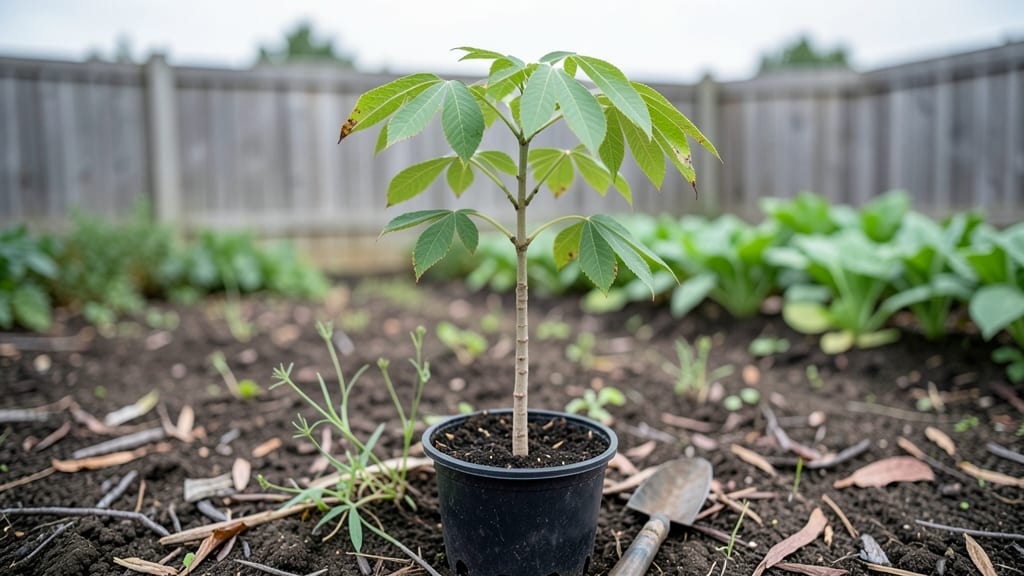
Growing a pecan tree from a seedling is one of those rewarding projects that turns a small investment into a future shade provider and harvest.
I’ve watched my own seedling grow from a fragile 6-inch sapling to a sturdy 8-foot tree in just three years, and the secret starts with the right soil and timing. The key isn’t just planting—it’s creating conditions where the roots can spread deep before the first frost hits.
You’ll need well-draining soil mixed with compost, a sunny spot with at least 6 hours of direct light, and patience for the first two years while the roots establish. Most people skip the soil prep, and that’s when seedlings struggle—especially in heavy clay or sandy soils.
I learned that the hard way when my first attempt wilted after a heatwave. The fix? Amend the soil with organic matter before planting, and water deeply but infrequently to encourage strong root growth.
By the time your seedling hits 3 feet tall, you’ll see the first signs of real progress: thicker stems, glossy leaves, and maybe even a few small nuts if it’s a grafted variety. Pruning in late winter keeps the shape manageable while letting sunlight reach the lower branches.
The best part? A healthy pecan tree can live for centuries, and with proper care, yours will be producing nuts in 5-7 years.
This works best in USDA Zones 6-9, but even in cooler climates, container growing is an option for the first few years. The real magic happens when you see that first harvest—crunchy, sweet pecans straight from your own tree. Let’s get that seedling planted right.
📚 In This Guide
- What you need
- Instructions
- Tips and common mistakes
- Wrapping up and next steps
What you need
- ● Pecan seeds: 5–10 fresh, high-quality pecan nuts (preferably from a reliable source like a local nursery or trusted grower). Pro tip: 💡 Choose seeds from a mature pecan tree for better germination rates!
- ● Growing containers: 2–3 small pots (4–6 inches deep) with drainage holes or a seed-starting tray with individual cells.
- ● Potting mix: 2–3 cups of well-draining, sterile seed-starting mix (avoid garden soil—it can harbor diseases!).
- ● Watering can or spray bottle: For gentle hydration without disturbing seeds.
- ● Plastic wrap or humidity dome: To maintain moisture during germination.
- ● Grow lights or sunny windowsill: A south-facing window or a 12–16 hour/day grow light setup.
- ○ Fertilizer (optional but recommended): A balanced, water-soluble fertilizer (5-10-5 ratio) for seedlings once they sprout.
- ● Scissors or knife: For carefully cracking open pecan shells (wear gloves—pecan shells can be sharp!).
- ● Gloves: To protect your hands from shell fragments and potential allergens.
- ○ Thermometer (optional): To monitor soil temperature (ideal: 70–85°F for germination).
- ● Pruning shears (for later): To trim seedlings as they grow (save for Step 3!).
- ● Patience & a green thumb! 🌿
Step-by-step instructions for growing pecan tree seedlings
Here’s my straightforward approach to nurturing pecan seedlings into sturdy saplings—no complicated tools or guesswork.
Collect and Prepare Pecan Seeds
Start with fresh, plump pecan seeds from a healthy tree. Remove them from their shells by cracking them gently with a nutcracker or rolling them under a heavy book for a few days until the shell splits open naturally. Discard any seeds that are shriveled, moldy, or damaged—they won’t germinate well.
Soak the seeds in warm water for 24 hours to soften the hard outer shell and kickstart the germination process. Drain and let them sit in a damp paper towel overnight. This step ensures the seed absorbs moisture and swells slightly, making it easier for the root to break through. Place the towel in a sealed plastic bag to retain humidity.
Plant Seeds in a Moist Growing Medium
Fill a small container—like a 4-inch pot—with moist, well-draining potting mix. Press the soil down lightly to create a firm but not compacted surface. Pecan seeds need good airflow around their roots, so avoid heavy garden soil. Make a small hole, about ½ inch deep, and place one seed inside, covering it with just enough soil to hold it in place.
Water the soil gently until it’s damp but not soggy. You’ll know it’s right when water runs through the bottom of the pot without pooling. Place the container in a warm spot, ideally between 70-80°F, where it can stay consistently moist. A humidity dome or plastic wrap helps retain moisture while the seed germinates, which typically takes 4-8 weeks. Patience is key—don’t disturb the soil or check too often.
Provide Light and Care for Emerging Seedlings
Once the seedling sprouts its first true leaves—those are the second set after the initial cotyledons—move it to a bright, indirect light spot. Pecan seedlings need plenty of light to grow strong, but direct sun can scorch young leaves. A south-facing window or a grow light kept 6-12 inches away works well. If the leaves start turning pale or stretching toward the light, it’s a sign the seedling needs more intensity.
Water the seedling when the top inch of soil feels dry to the touch, usually every 3-5 days. Overwatering is the biggest mistake here—pecan seedlings hate soggy roots. Use a small watering can or spray bottle to keep the soil evenly moist but never waterlogged. Fertilizer isn’t needed yet, as the seedling is still small and delicate.
Transplant and Harden Off for Outdoor Growth
When the seedling reaches 6-12 inches tall and has developed a sturdy stem, it’s ready to move outdoors. Choose a sunny spot in your yard with well-draining soil. Dig a hole just slightly larger than the seedling’s root ball and place it in, covering the roots with soil but leaving the top of the root system exposed. This prevents the stem from rotting as it grows.
Harden off the seedling by placing it outside in a sheltered spot for 1-2 hours the first day, gradually increasing its time outdoors over 7-10 days. Watch for signs of stress like wilting or yellowing leaves—these mean it’s adjusting too quickly. Once it’s comfortable in full sun, water deeply once a week, giving it 1-2 gallons depending on the pot size. Mulch around the base with 2-3 inches of organic mulch to retain moisture and protect the roots.
Tips & tricks for growing pecan tree seedlings
Growing pecan seedlings successfully comes down to a few key details that make all the difference between a thriving sapling and a struggling plant. Here's what I've learned after watching seedlings go from seed to sturdy young trees.
Soak Smart: The 24-hour soak in warm water is critical for breaking down the seed's tough outer shell. I always use room-temperature water—not boiling—and change it after 12 hours to prevent bacterial growth. After soaking, place the seeds in a damp paper towel overnight, then transfer them to a sealed bag to maintain humidity. This two-step process gives the seed the best chance to absorb moisture and begin germination without stress.
Temperature Matters: Maintaining that 70-80°F range during germination is easier than it sounds. If your home tends to be cooler, place the container on top of your refrigerator or near a sunny window during the day. For cooler climates, a simple heat mat under the pot can help maintain consistent warmth. Remember, pecan seeds need warmth to germinate—don't rush this step by using heat lamps or other extreme methods that can dry out the seed.
Light Transition: When moving your seedling to bright, indirect light after sprouting, I recommend starting with morning sun only. Gradually introduce afternoon sun over 3-4 days to prevent shock. You'll notice the leaves turning slightly yellow if the light is too intense too soon—this is your cue to move the seedling back a few inches or provide more shade. The goal is to strengthen the seedling without burning it.
Watering Wisdom: The "top inch dry" rule is perfect, but how you water matters just as much. I use a spray bottle for the first few weeks to avoid disturbing the soil around the delicate roots. As the seedling grows, switch to a small watering can with a narrow spout to direct water precisely to the base. Always water in the morning so any excess moisture can evaporate during the day, preventing root rot.
Pro Tips for Pecan Tree Seedling
- Growing pecan seedlings successfully comes down to a few key details that make all the difference between a thriving sapling and a struggling plant.
- Soak Smart: The 24-hour soak in warm water is critical for breaking down the seed's tough outer shell.
- Temperature Matters: Maintaining that 70-80°F range during germination is easier than it sounds.
Frequently asked questions
Got questions about growing pecan tree seedlings?
You’re not alone! Here are some of the most common concerns—and their answers—to help you nurture your future pecan tree with confidence.
How long does it take for a pecan tree seedling to grow from seed to sapling?
A pecan seedling typically takes 1–2 years to become a sturdy sapling (3–6 feet tall) from seed. However, growth speed depends on climate, soil quality, and care. Patience is key—these trees grow slowly but reward you with decades of shade and nuts!
When is the best time to plant pecan tree seedlings?
Plant seedlings in late winter or early spring (before new growth starts) or in fall (6–8 weeks before frost). Avoid extreme heat or cold—root establishment is critical. If planting in summer, keep soil consistently moist and shade young seedlings to prevent stress.
Why isn’t my pecan seedling growing? Troubleshooting tips
Slow growth often stems from poor soil drainage, compacted soil, or nutrient deficiencies. Test your soil’s pH (ideal: 6.0–7.0) and amend with compost. Yellow leaves? Check for overwatering. Brown edges? Underwatering or drought stress. If pests (like aphids) appear, treat with neem oil or insecticidal soap.
Can I grow a pecan tree from a store-bought nut instead of a seedling?
Yes, but success rates are low—90% of pecans are sterile and won’t sprout. If you try, soak the nut in water for 24 hours, plant it 2 inches deep in moist soil, and keep it warm (70–80°F). For reliable results, buy a grafted seedling from a nursery.
How do I transplant a mature pecan seedling without killing it?
Transplant on a cloudy day or late afternoon to reduce stress. Dig a hole twice as wide as the root ball, loosen roots gently, and water thoroughly before/after moving. Prune any damaged branches and mulch around the base to retain moisture. Avoid transplanting during peak heat or frost.
Wrapping up and next steps
Growing a pecan tree seedling from seed to sapling is a rewarding journey that blends patience with nature’s magic! 🌱 By following these four simple steps, you’ve unlocked the potential for a thriving tree that could one day yield delicious nuts or provide shade for generations.
Whether you’re a seasoned gardener or a curious beginner, your efforts will soon pay off with lush green growth.
Now that you’re equipped with the knowledge, take the next step—plant your seedling in a sunny spot, monitor its progress, and enjoy the process! Soon, you’ll be pruning and nurturing a tree that’s uniquely yours. Happy planting! 🌳✨