
Trees
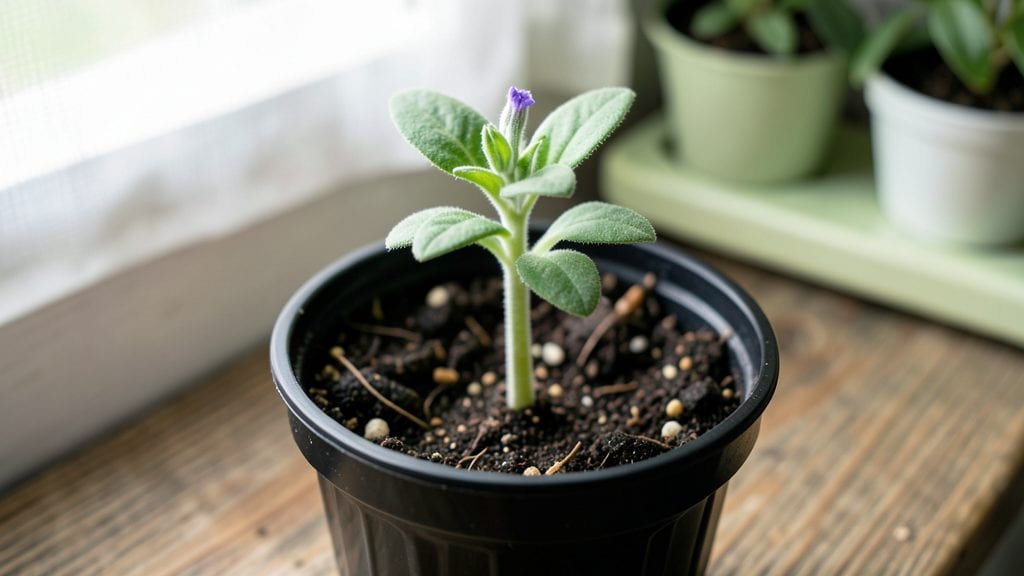
Mastering petunia seedling identification begins with their first leaves—those tiny, fuzzy cotyledons that look like miniature versions of the real deal. 🌱 I’ve sorted through dozens of seedling trays, and the key is noticing how the true leaves emerge: petunias develop rounded, slightly serrated edges with a velvety texture, unlike the smooth, pointed leaves of their look-alikes.
The stems give it away too—petunia seedlings often sport a faint purple tint when young, especially in cooler light. I’ve seen beginners mistake them for snapdragons or verbena, but petunias stay compact and bushy early on, while imposters stretch taller.
A magnifying glass helps spot the fine hairs along the stems, another dead giveaway.
By the time they’re two inches tall, the differences become obvious: petunias grow in clusters with leaves cupped slightly upward, while weeds or mislabeled seedlings sprawl outward. This stage is when I pull the doubtful ones—no guesswork needed. The right identification now means fewer surprises when they bloom.
Works for both garden beds and containers, and the same rules apply whether you’re growing from seed or transplanting. Here’s how to spot them at every stage without a second thought.
Mistakes That Blur Seedling ID
Identifying petunia seedlings can feel like solving a botanical puzzle—especially when missteps muddle the process. Whether you're a seasoned gardener or a curious beginner, certain common errors can make even the most distinct seedlings look alike.
Here’s why these mix-ups happen, backed by science and actionable insights to help you spot them before they derail your garden plans.
Petunia seedlings rely on leaf morphology for early identification, but young leaves can be deceptive. During the cotyledon stage (the first leaves that appear), petunia seedlings often have broad, rounded leaves that resemble those of other nightshade family members (like tomatoes or peppers). Here’s why this causes confusion:
- 🔬 Biological Immature Traits: Cotyledons are seed-leaf structures, not true leaves, and their shape is genetically programmed to maximize sunlight absorption for the seedling’s early growth. Petunias and other nightshades share similar cotyledon shapes because they evolved from common ancestors with similar survival strategies.
- 🌿 True Leaves vs. Cotyledons: The first true leaves (which appear after the cotyledons) are where petunia identification gets reliable. These are usually lance-shaped, slightly serrated, or oval, with a distinct vein pattern. If you’re judging seedlings too early, you might mistake them for calibrachoa (which has hairy stems) or tobacco seedlings (which are broader and more heart-shaped).
- 💡 Pro Tip: Wait until the seedlings have 2–3 sets of true leaves before attempting identification. Use a magnifying glass to inspect the leaf edges and venation—petunia leaves often have a slightly wavy or scalloped texture that sets them apart.
Stems are like the DNA of the seedling, carrying clues about its species. Yet, many gardeners focus solely on leaves, missing critical differences in stem color, texture, and node spacing.
- 🟢 Chlorophyll Variations: Petunia stems are typically green or reddish-green, but environmental stress (like low light) can cause them to turn purplish or pale. Other plants, like snapdragons, have stems that are square-shaped and woody—a trait petunias lack. If your seedlings are in a shaded tray, their stems may not show true color, leading to misidentification.
- 🌿 Hairy vs. Smooth: Petunia stems are usually smooth or lightly pubescent (fuzzy), while calibrachoa stems are densely hairy. This fuzziness is an adaptive trait to reduce water loss in arid conditions, but it’s often overlooked in favor of leaf shape.
- 📏 Node Spacing Matters: Petunias have short internodes (the distance between leaves), making their growth habit compact. In contrast, tobacco seedlings have longer internodes and a more sprawling appearance. Measure the distance between the first true leaves—if it’s less than 1 inch, it’s likely a petunia.
Stress from temperature, humidity, or light can alter a seedling’s appearance, making it resemble a different species. Here’s how to tell if your seedlings are genuinely petunias or just under duress:
- 🔥 Heat or Cold Shock: Petunia seedlings grown in temperatures below 50°F (10°C) or above 90°F (32°C) may develop stunted growth, curled leaves, or unusual coloring. This can make them look like disease-stricken or hybrid varieties. If your seedlings are in a greenhouse without temperature control, stress-induced traits are likely the culprit.
- 💧 Overwatering or Drought: Excess moisture can cause petunia leaves to yellow and droop, mimicking downy mildew (a fungal disease). Conversely, underwatering leads to thick, leathery leaves, which might be mistaken for succulent seedlings. Always check the soil moisture—petunias prefer consistently moist but well-draining soil.
- 🌞 Light Deficiency: Seedlings grown in low light (like a north-facing window) develop long, leggy stems and pale leaves—a condition called etiolation. This can make them resemble wild petunia relatives or even tomato seedlings. Move them to a bright, indirect light source (like a grow light) for 12–16 hours a day to correct the issue.
Even the most careful gardener can fall victim to cross-contamination or mislabeling, turning a petunia tray into a botanical mystery.
- 🌼 Accidental Seedling Swaps: If you’re growing multiple flower species in the same area, wind or insects can transfer pollen or seeds between trays. Petunias are self-pollinating, but cross-pollination with other nightshades (like tomatoes) can produce hybrid seedlings with unpredictable traits.
- 📦 Poor Seed Packaging: Some seeds are misbranded or contaminated with fillers (like sand or sawdust). If your seedlings look stunted or irregular, check the seed packet for freshness dates and storage conditions. Petunia seeds lose viability after 1–2 years if not stored in a cool, dry place.
- 🐞 Pest or Animal Interference: Birds, rodents, or insects (like earwigs) may nibble on seedlings, altering their shape. If you notice uneven damage or missing leaves, inspect the tray for pests. Petunias are not toxic to animals, so they’re often targeted by curious critters.
By recognizing these common pitfalls, you’ll sharpen your ability to accurately identify petunia seedlings—even when they’re trying to fool you! The key is to observe multiple traits (leaves, stems, growth habit) and eliminate environmental variables before making a call.
Fixing Common Petunia Seedling Confusions
Identifying petunia seedlings correctly is key to nurturing healthy, vibrant blooms—but misidentification can lead to disappointment. Whether you’re dealing with unexpected leaf shapes, off-color stems, or contamination from weeds or pests, the good news is that most issues have straightforward fixes. Below, we’ve mapped out the most common problems and their solutions, complete with prevention tips to keep your seedlings thriving.
If your seedlings don’t match the expected petunia traits (like lobed leaves or purple stems), they might be something else entirely.
🌱 Cause: Wrong Plant Type (Weeds or Imposters)
Fix: 1. 🔥 Compare with a Reference Guide Pull up a reliable petunia seedling chart (like the one in our leaf shape guide) and hold it next to your seedlings.
Look for: - True petunia leaves: Deeply lobed, fuzzy, or slightly hairy. - Imposter leaves: Smooth, round, or jagged edges (common in Lobelia or Portulaca).
- 👨🍳 Dig Up and Test Gently remove a suspect seedling and check:
- Root structure: Petunias have fibrous, white roots. Weeds often have thick, woody, or brown roots.
- Stem snap test: Petunia stems are hollow and brittle. Weedy stems (like Malva) are tough and stringy.
- 🗑️ Remove or Repot
- If it’s a weed, pull it out immediately to avoid competition.
- If it’s a mislabeled petunia variety (e.g., Petunia × hybrida vs. Calibrachoa), repot it separately and research its care needs.
💡 Prevention Tip:
- 🌡️ Start with certified seeds from reputable sellers to avoid mixed batches.
- ✨ Use seed trays with clear dividers to isolate seedlings early and spot discrepancies faster.
If your seedlings look stunted, yellow, or covered in spots, pests or pathogens might be mimicking natural petunia traits.
🐛 Cause: Aphids, Spider Mites, or Fungal Spots
Fix:
- 🔪 Inspect Under Leaves Use a magnifying glass to check for:
- Tiny green/black bugs (aphids) or fine webbing (spider mites).
- Powdery white residue (powdery mildew) or black spots (sooty mold).
- 🚿 Treat with Natural Remedies - For aphids/mites: Spray seedlings with a soapy water solution (1 tsp mild dish soap + 1 quart water).
Repeat every 3–4 days. - For fungal issues: Apply a baking soda spray (1 tsp baking soda + 1 quart water + few drops of soap) or neem oil (follow label instructions).
- 🌿 Isolate Infected Seedlings Move affected plants to a quarantine tray away from healthy seedlings to prevent spread.
💡 Prevention Tip:
- 🌡️ Avoid overwatering—keep soil moist but not soggy to deter fungal growth.
- ✨ Use row covers if pests are a recurring issue in your area.
Extreme heat, cold, or poor lighting can make seedlings look “off” but aren’t necessarily a misidentification.
🌡️ Cause: Temperature or Light Issues
Fix:
- 🌡️ Adjust Growing Conditions
- Too hot? Move seedlings to a shadier spot or use a fan for airflow.
- Too cold? Cover with a clear plastic dome or row fabric to trap heat.
- Not enough light? Supplement with a grow light 12–14 hours/day.
- 💧 Check Watering Habits
- Wilting or yellowing? You’re likely underwatering.
- Mushy stems? Overwatering is causing root rot. Let the top inch of soil dry out before watering again.
💡 Prevention Tip:
- 🎯 Monitor humidity—petunias thrive in 40–60% humidity. Use a hygrometer if needed.
- 🌱 Harden off seedlings gradually before transplanting to avoid shock.
Need a fast way to confirm? Use this table to cross-check:
| Trait | Petunia ✅ | Imposter ❌ |
|---|---|---|
| Leaf Shape | Deeply lobed, fuzzy, 1–3" long | Round, smooth, or jagged (e.g., Lobelia) |
| Stem Color | Green, purple, or reddish (varies by variety) | Striped, white, or brown (common in weeds) |
| Root Type | Thin, white, fibrous | Thick, woody, or brown |
| Growth Habit | Upright or trailing, bushy | Vine-like or single-stemmed (e.g., Portulaca) |
With these fixes, you’ll be able to spot—and solve—petunia seedling mysteries in no time. Remember, early action is the best defense, so don’t wait to address oddities. Happy growing! 🌸
Frequently asked questions
How do I tell petunia seedlings apart from calibrachoa seedlings?
Petunia seedlings have smooth or lightly fuzzy stems and rounded, slightly serrated leaves with a velvety texture. Calibrachoa seedlings, however, feature densely hairy stems and tiny, oval leaves that resemble miniature geraniums. Check the leaf edges under magnification—petunia leaves have subtle scalloping, while calibrachoa leaves are smooth.
Why do my petunia seedlings look purple?
That purple tint is normal! Young petunia stems often develop a purplish hue due to anthocyanins, pigments that protect seedlings from UV damage. It’s especially common in cooler light conditions. If the purple fades as they grow, they’re still healthy—just give them bright, indirect light to encourage true green growth.
Can I identify petunia seedlings by their first leaves?
No—those are cotyledons, the seed leaves that look similar across many plants. Wait until the second set of true leaves appear (usually 1–2 weeks after germination). These will have the distinctive rounded, slightly serrated shape and velvety texture that sets petunias apart. Use a magnifying glass to spot fine hairs on the stems for extra confirmation.
What should I do if my petunia seedlings look like weeds?
Compare their root structure and stem texture: petunia roots are thin and fibrous, while weeds often have thick, woody roots. Petunia stems are hollow and brittle—if a seedling’s stem snaps cleanly, it’s likely a petunia. Pull out any true weeds immediately to prevent competition, but repot mislabeled seedlings separately for further observation.
How do I prevent pest damage to young petunia seedlings?
Start with clean trays and sterile soil to avoid introducing pests. Use row covers if aphids or spider mites are common in your area. For early treatment, spray seedlings with a soapy water solution (1 tsp mild dish soap per quart of water) and isolate affected plants. Keep humidity between 40–60% to deter fungal issues.