
Watering
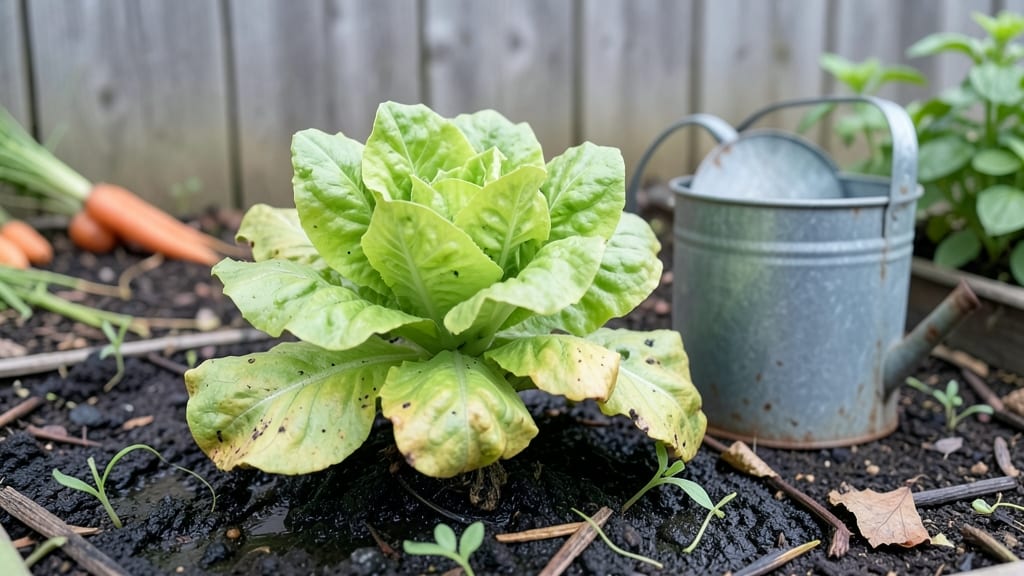
Seeing a root overwatered seedling flop in soggy soil isn’t the end—it’s just your cue to save it with swift, smart fixes. 🌱 I’ve nursed back more limp seedlings than I’d like to admit, and the key lies in acting fast before the roots turn to mush.
The moment you spot yellowing leaves or a mushy stem, you’re already racing against time, but these steps can turn things around.
First, stop watering entirely and gently remove the seedling from its pot. You’ll often find the roots black, slimy, and smelling like something’s gone wrong—that’s the warning sign you’ve been ignoring.
Trim away the mushy roots with clean scissors, then let the seedling dry out for a full day before replanting in fresh, well-draining soil. This isn’t just about saving the plant; it’s about rewriting your watering habits for good.
Once replanted, keep the soil barely moist—think damp sponge, not swamp. A clear plastic bag over the seedling creates a humid microclimate while you monitor progress, and within a week, you’ll see new growth pushing through.
The real win? You’ll spot the early signs of overwatering next time: wilting despite wet soil, or leaves that feel squishy to the touch.
This method works for herbs, veggies, and flowers alike, whether you’re dealing with a single pot or a seedling tray. The secret isn’t luck—it’s catching the problem early and giving your plants the breathing room they need. Let’s get those roots back in shape.
The Hidden Triggers Behind Root Struggle
When your seedling’s roots drown in excess moisture, it’s not just a watering mistake—it’s a cascade of biological and environmental factors working against your plant. Understanding why this happens is the first step to preventing it in the future.
Below, we break down the key causes, from soil science to seedling biology, so you can protect your green babies before their roots turn to mush.
Soil that holds water like a sponge is the #1 enemy of healthy roots. Here’s how it backfires:
- Compacted or clay-heavy soil: These textures trap water between particles, cutting off oxygen. Roots, which need both water and air to respire, suffocate in anaerobic (oxygen-deprived) conditions. Think of it like trying to breathe through a wet towel—your roots can’t survive long.
- Lack of organic matter: Peat moss, compost, or perlite create air pockets that allow water to drain while roots access oxygen. Without them, water pools around roots, triggering phytotoxicity (toxic chemical buildup from overhydration).
- No elevation or containers: Seedlings in flat trays or pots without drainage holes sit in a water bath. Even "well-draining" mixes fail if the container itself traps moisture.
💡 Pro Tip: Test your soil’s drainage by filling a cup with water, adding soil, and timing how long it takes to drain. If it’s slower than 10 minutes, amend with coarse sand or vermiculite.
Watering isn’t just about how much—it’s about when and how often. Here’s how missteps lead to root rot:
- Ignoring the "finger test": Sticking your finger 1–2 inches into the soil tells you if it’s dry enough. If it’s damp, hold off! Seedlings need moisture, but their roots can’t process excess water fast enough.
- Watering on a schedule: Plants drink water at different rates based on temperature, humidity, and light. A rigid schedule (e.g., "every Monday") often means drowning roots when they’re already hydrated.
- Bottom-watering without limits: While this method reduces leaf diseases, leaving seedlings in trays of standing water for hours mimics a swamp. Roots absorb what they need in minutes, not hours.
⏰ Actionable Fix: Water only when the top inch of soil feels dry, and use a spray bottle for seedlings to mimic gentle rain. Morning watering is ideal—excess moisture evaporates during the day.
Heat and humidity don’t just affect growth—they amplify the damage of overwatering. Here’s the science:
- High humidity slows evaporation: In a greenhouse or humid climate, soil stays wet longer, delaying root recovery. Roots in saturated soil consume oxygen faster to survive, depleting the little that’s available.
- Cold soil = sluggish roots: Below 60°F (15°C), root activity slows dramatically. If you’re watering a chilly seedling, the excess moisture lingers because the roots can’t absorb or evaporate it efficiently.
- Condensation on containers: Plastic or glass containers trap moisture inside, creating a micro-climate where roots "sweat" but can’t dry out. This doubles the risk of fungal infections like Pythium.
🌡️ Quick Check: Place a thermometer near your seedlings. Ideal root-zone temps are 65–75°F (18–24°C). Use a fan on low to improve airflow if humidity exceeds 60%.
Soil isn’t just dirt—it’s a living ecosystem. When water logs the roots, beneficial microbes can become harmful:
- Fungal invaders: Pythium and Phytophthora thrive in waterlogged conditions, attacking roots like termites. They block water and nutrient uptake, causing wilting even when soil is damp.
- Bacterial blooms: Erwinia and other pathogens multiply in anaerobic zones, producing toxins that rot roots from the inside out. You might see black, mushy roots or a foul odor.
- Algae and moss takeover: These surface-dwellers compete with roots for oxygen and nutrients. While they might look harmless, they’re a sign your soil’s redox potential (oxygen availability) is plummeting.
🔥 Emergency Move: If you spot mold or slimy roots, remove the seedling immediately, trim affected roots with sterilized scissors, and repot in fresh, dry mix. Never reuse contaminated soil.
Now that you know the why, the next step is reversing the damage. Click here for our 3-step root-saving rescue guide!
Revive Your Seedling Roots Now
If your seedling’s roots are struggling from too much water, don’t panic—there’s still hope! The key is acting fast with the right steps tailored to the cause. Below, we’ll break down cause-specific fixes to rescue your seedling, plus pro tips to keep it thriving long-term.
Cause: Roots suffocate when soil stays soggy for too long, cutting off oxygen.
How to Fix It: 🔥 Step 1: Remove the Seedling Gently Use a small trowel or your hands to lift the seedling with its root ball intact. Shake off excess soil to inspect the roots.
🍳 Step 2: Air-Dry the Roots Lay the seedling on a clean, dry towel or paper towels. Let it sit in a shady, well-ventilated spot for 1–2 hours (or overnight for severe cases). This helps roots recover by reducing rot risk.
👨🍳 Step 3: Repot in Fresh, Well-Draining Mix - Choose the right pot: Ensure it has drainage holes (no exceptions!). - Use a lightweight mix: Combine 50% potting soil, 30% perlite or vermiculite, and 20% coconut coir or orchid bark for aeration. - Plant deeper (but not too deep): Bury the seedling so the lowest leaves sit just above the soil line.
Press lightly to secure.
🥘 Step 4: Water Sparingly Water only when the top inch of soil feels dry. Use a spray bottle or a watering can with a fine rose to avoid compacting the soil again.
Cause: Frequent watering (even with good drainage) can still lead to root stress.
How to Fix It: 🔥 Step 1: Check Soil Moisture Daily Stick your finger 1 inch into the soil—if it’s damp, wait. If it’s dry, water lightly.
🌡️ Step 2: Upgrade Your Watering Routine
- Morning watering > evening: Reduces evaporation and fungal growth.
- Bottom-watering method: Place the pot in a tray of water for 10–15 minutes, then drain excess. This encourages roots to grow downward.
🎯 Step 3: Use a Moisture Meter (Optional but Helpful) These cheap tools tell you exactly when to water, taking guesswork out of the equation.
Cause: Overwatering creates the perfect breeding ground for root rot and fungus.
How to Fix It: 🔪 Step 1: Trim Damaged Roots
- Healthy roots: White or light tan, firm to the touch.
- Rotten roots: Black, mushy, or smelly—snip these off with sterilized scissors.
- Pro tip: 💡 Dip trimmed roots in a fungicide (like hydrogen peroxide at 3%) for 10 minutes to disinfect.
🌿 Step 2: Boost Soil Health Mix 1 part cinnamon or activated charcoal into the fresh potting soil. These act as natural antifungals.
⏰ Step 3: Space Out Waterings After repotting, skip watering for 3–5 days to let roots adjust. Then, follow the “finger test” rule.
Once your seedling recovers, keep it from repeating the same mistakes:
- Pot size matters: Use a container only 1–2 inches wider than the root ball to prevent overwatering.
- Group plants wisely: Avoid placing seedlings in low-traffic areas where humidity lingers (like bathrooms).
- Monitor weather: If rain is forecasted, cover pots with plastic wrap (with holes for airflow) to shield from excess moisture.
- Fertilize lightly: Wait 4–6 weeks after repotting before adding nutrients—roots need time to recover first.
🌟 Quick Recap Table:
| Problem | Fix | Prevent Next Time |
|---|---|---|
| Waterlogged soil | Air-dry roots + repot | Use perlite in soil |
| Overwatering habit | Finger test + morning watering | Bottom-watering method |
| Fungal root rot | Trim roots + antifungal soil | Space out waterings |
With these steps, your seedling should bounce back in 1–2 weeks—just give it time and patience! 🌱✨ If the roots are severely rotted (no white roots left), unfortunately, it may not recover, but most cases respond well to quick action.
Stay consistent, and your little green friend will be thriving in no time!
Frequently asked questions
How do I know if my seedling has root rot from overwatering?
Check for black, mushy roots that smell foul—these are classic signs of root rot. Healthy roots should be white or light tan and firm to the touch. If the stem feels soft or collapses easily, it’s a red flag. Act fast by trimming the damaged roots and repotting in fresh, dry soil.
Can I save a seedling with completely black roots?
It depends! If there’s any white root tissue left, trim it back and repot in fresh soil. If the roots are entirely black and mushy, the seedling may not recover. However, try soaking the remaining roots in a 3% hydrogen peroxide solution for 10 minutes before replanting—it might still pull through.
Why does my seedling wilt even when the soil is wet?
This is a classic sign of overwatering! When roots suffocate from excess moisture, they can’t absorb water or nutrients, causing wilting. Check the soil—if it’s damp but the plant is drooping, it’s likely root-bound or rotting. Air-dry the roots for 12–24 hours before replanting in well-draining mix.
How often should I water seedlings to avoid overwatering?
Use the finger test: Stick your finger 1 inch into the soil. If it’s dry, water lightly—if it’s damp, wait. Seedlings typically need water every 2–3 days, but adjust based on humidity, pot size, and light. Morning watering is best to prevent fungal growth.
What’s the best soil mix to prevent root rot?
Use a blend of 50% potting soil, 30% perlite or vermiculite, and 20% coconut coir or orchid bark for optimal drainage. Avoid heavy garden soil or clay mixes—they trap moisture. Add a handful of sand or activated charcoal to boost aeration and prevent fungal buildup.