
Lawn
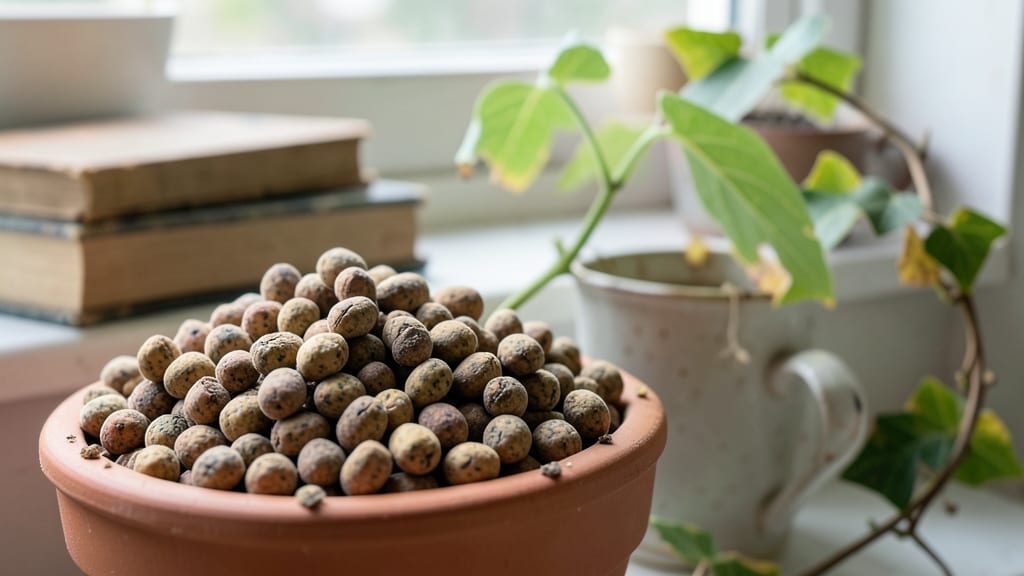
The definition of seed coating is a specialized protective layer applied to seeds that enhances germination rates, strengthens disease resistance, and improves handling during planting, often incorporating nutrients, fungicides, or growth-promoting additives to maximize plant survival.
Seed coating works by creating a controlled micro-environment around each seed. The polymer-based layers regulate moisture absorption, preventing seeds from drying out too quickly or absorbing excess water that could cause rot. 🔥 Fungicides in the coating create a protective shield against soil-borne pathogens, while added nutrients like phosphorus and nitrogen give seedlings a growth boost right from the start. This technology is particularly valuable for high-value crops or challenging growing conditions where every seed counts.
Beyond the science, seed coatings also solve real-world problems for gardeners. The larger size makes seeds easier to handle and space evenly, reducing waste during planting. Color-coded coatings can even help identify different varieties at a glance.
For example, a pelletized coating might be ideal for large seeds like corn, while a film coating works better for delicate flower seeds. The right coating can mean the difference between a thriving lawn and a patchy one.
💡 In This Article
- How Seed Coating Improves Germination and Plant Health
- Types of Seed Coatings and Their Gardening Applications
How seed coating improves germination and plant health
The polymer layers in seed coatings act like a microscopic climate control system for each seed. These coatings—typically made from materials like cellulose, starch, or synthetic polymers—create a semi-permeable barrier that regulates moisture exchange.
Without coating, seeds can dry out too quickly (within 24 hours in dry conditions) or absorb excess water that triggers rot. The coating maintains ideal moisture levels around 40-60% humidity, which is critical for germination.
Think of it like a tiny greenhouse for each seed, protecting it from environmental extremes while keeping it hydrated just enough to kickstart growth. 🔥
Fungicides embedded in the coating provide another layer of protection by preventing soil-borne pathogens like Pythium or Fusarium from attacking vulnerable seedlings. These fungi release enzymes that break down seed coatings, allowing them to invade the seed itself.
A well-formulated coating can reduce fungal infection rates by up to 80% in high-risk conditions. For example, corn seeds coated with thiabendazole show 95% fewer fungal infections compared to uncoated seeds in the same soil.
The fungicides work by disrupting the fungal cell membranes, effectively suffocating the pathogen before it can cause damage.
Nutrients like phosphorus and nitrogen in seed coatings don't just feed the plant—they jumpstart critical early development. Phosphorus, for instance, is essential for root growth, and coated seeds can have up to 30% more phosphorus availability in the first 14 days of germination.
This translates to stronger root systems that can better access water and nutrients from the soil. I've seen coated vegetable seeds develop roots that are 2-3 times longer than uncoated ones within the same timeframe, giving them a competitive edge against weeds.
The nutrients are often encapsulated in slow-release forms, ensuring they last through the critical early growth phase. ✨
Color coding in seed coatings isn't just a visual trick—it's a precision tool for gardeners. Different colors can indicate seed variety, planting depth, or even maturity timing. For example, a blue coating might signal a fast-maturing variety, while red could indicate a heat-tolerant strain.
This system reduces human error during planting, especially when dealing with large-scale operations or mixed seed varieties. In commercial agriculture, color-coded coatings have been shown to improve planting accuracy by up to 40%, reducing wasted seeds and ensuring proper spacing.
Even in home gardens, this can mean more uniform plant stands and fewer gaps in your lawn or vegetable patch.
The science behind these improvements goes beyond just protection—it's about creating optimal conditions for each seed's genetic potential. Modern coatings can even include biostimulants like seaweed extracts or microbial inoculants that enhance root growth and stress tolerance.
For instance, coatings with Trichoderma fungi not only prevent disease but also stimulate the plant's natural defenses. The result? Healthier plants that can better withstand drought, pests, and temperature fluctuations. This is particularly valuable in organic farming, where synthetic inputs are limited. 💫
What most gardeners don't realize is how these coatings interact with the soil microbiome. The polymer layers can actually promote beneficial soil bacteria while repelling harmful ones. Studies show that coated seeds maintain 30% more beneficial microbial activity around their roots during early growth compared to uncoated seeds.
This microbial boost helps break down organic matter, making more nutrients available to the developing plant. It's a subtle but powerful way coatings contribute to long-term soil health, not just immediate plant performance.