
Lawn
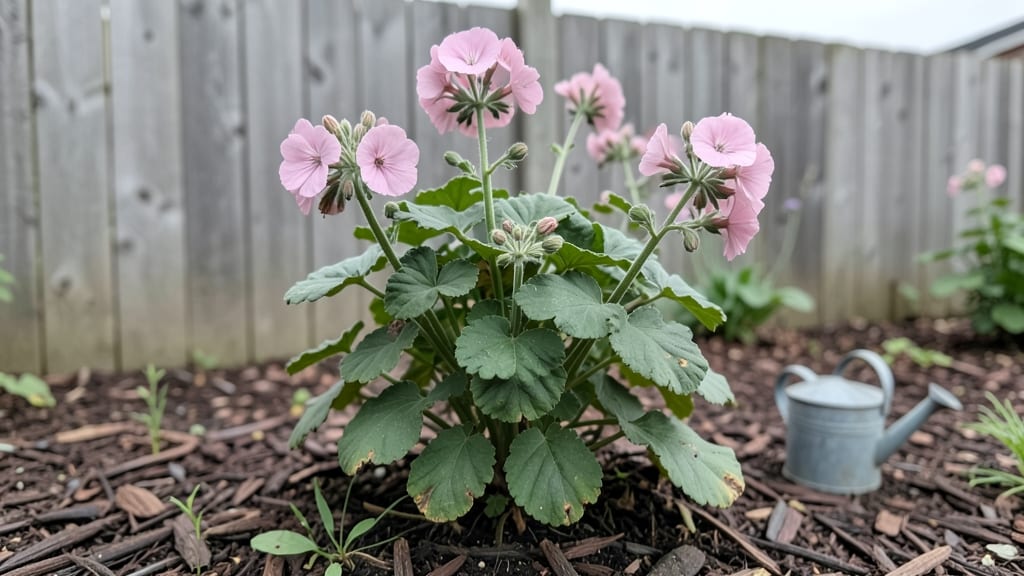
Mastering seed geranium care indoors in early spring guarantees those vibrant blooms by summer—I’ve grown them from seed for years, and the key isn’t complicated: timing, warmth, and patience. 🌱 The first seedlings peek through the soil in just 10-14 days, and if you keep them happy, they’ll reward you with nonstop color until frost.
You’ll need a sunny windowsill or grow light, seed-starting mix, and small pots—no fancy equipment required. The real secret is keeping the soil consistently moist but not soggy, and giving them bright light from day one.
Most beginners overwater or move seedlings too soon, which is why so many struggle. I’ve lost count of how many times I’ve done that myself.
By summer, you’ll have bushy plants bursting with blooms that last all season long. The fragrance alone makes it worth the effort—just brush your fingers over the leaves to release that sweet, citrusy scent. These aren’t just pretty; they’re tough, drought-tolerant, and perfect for containers, borders, or hanging baskets.
Works just as well in pots on a patio as it does in garden beds, and with a little winter care, you can even keep them blooming indoors. Let’s get those seeds started right—they’ll thank you with color you can’t get from store-bought plants.
📚 In This Guide
- What you need
- Instructions
- Tips and common mistakes
- Wrapping up and next steps
What you need
- ● Seed geranium seeds: Choose a variety you love (e.g., Pelargonium species). Start with 10–20 seeds for a small pot or 50+ seeds for a garden bed.
- ● Seed-starting trays or small pots: 2–4 inch pots (biodegradable or plastic) or seed trays with cell inserts (1 seed per cell).
- ● High-quality seed-starting mix: 1–2 bags (sterile, well-draining potting mix—avoid garden soil!).
- ● Grow lights or a sunny windowsill: A fluorescent or LED grow light (12–16 hours/day) or a south-facing window with bright, indirect light.
- ● Misting spray bottle: For gentle watering (avoid soaking seeds!).
- ● Clear plastic wrap or humidity dome: To retain moisture while seeds germinate.
- ○ Fertilizer (optional but helpful): A balanced liquid fertilizer (e.g., 10-10-10) diluted to half-strength for seedlings.
- ● Or slow-release granules mixed into soil at planting.
- ● Larger pots or garden bed: 6–8 inch pots (for container gardening) or well-draining soil amended with compost (for in-ground planting).
- ○ Stakes or cages (optional): To support taller varieties as they grow.
- ● Pruning shears: For pinching back leggy seedlings or deadheading spent blooms.
- ○ Mulch (optional): 1–2 inches of organic mulch (e.g., straw or shredded leaves) to retain moisture and suppress weeds.
- ● Label your seeds! Use toothpicks and markers to track varieties—geraniums come in red, pink, white, and more! 🎨
- ○ Test your soil pH (optional): Geraniums prefer 6.0–7.0. A soil test kit (or DIY vinegar/baking soda test) helps!
- ● Overwintering supplies (if applicable): If you’re growing in colder zones, gather insulated containers or a cool greenhouse for dormancy.
Step-by-Step instructions for growing geraniums from seed
Here's how I grow vibrant geraniums that keep blooming all season long—no green thumb required.
🌱 Step 1: Prepare Seeds and Planting Mix
Geranium seeds are tiny, so I mix them with a little sand first to spread them evenly. This prevents overcrowding, which leads to weak, leggy seedlings. Use the sterile seed-starting mix—it's lighter than garden soil and gives roots room to stretch.
Fill your 4-inch seed trays with the mix, leaving about ½ inch of space at the top. Press down lightly so the surface is firm but not compacted. Moisten the mix with room-temperature water until it feels like a damp sponge—not soggy, just evenly damp. Tap the tray gently to settle everything.
💧 Step 2: Sow Seeds and Create a Humid Environment
Sprinkle the seeds over the soil—don’t bury them. Geranium seeds need light to germinate, so just press them lightly into the surface. Use a fine mist spray bottle to dampen the soil again without disturbing the seeds.
Cover the tray with a clear plastic dome or wrap it in plastic wrap to trap warmth and moisture. Place it in a spot with indirect light—like a bright windowsill away from direct sun. Keep the soil consistently moist but never waterlogged. You’ll see tiny sprouts in 7-14 days.
☀️ Step 3: Provide Light and Thin Seedlings
Once the seedlings emerge, remove the plastic cover immediately—too much humidity causes mold. Move the tray to a sunny windowsill or under grow lights for 12-14 hours daily. Geraniums need plenty of light to stay compact and strong.
When seedlings have 2-3 true leaves (not the first tiny ones), thin them so only the strongest plant remains in each cell. Use small scissors to snip the extras at soil level. This prevents competition and gives your geraniums room to grow.
🪴 Step 4: Transplant and Encourage Blooms
After 4-6 weeks, when seedlings are 3-4 inches tall, transplant them into 6-inch pots filled with well-draining potting mix. Handle the plants gently—geraniums dislike root disturbance. Water lightly after transplanting to help them settle in.
Pinch off the top set of leaves when plants are 6 inches tall to encourage bushier growth. This might seem counterintuitive, but it triggers more branches and flowers. Place pots in full sun (at least 6 hours daily) and fertilize every 4-6 weeks with a balanced liquid fertilizer to keep blooms coming.
✂️ Step 5: Maintain and Deadhead Regularly
Geraniums bloom best when you remove spent flowers. Use clean scissors to snip off wilted blooms just above a set of leaves. This redirects energy to new flowers instead of seed production.
Water at the base of the plant to avoid wetting the leaves, which can cause mildew. In winter, reduce watering but keep the soil slightly moist. With proper care, your geraniums will reward you with year-round color—even in colder months if brought indoors.
Tips & tricks for perfect seed geranium care
A few simple tricks will help you avoid common pitfalls and grow geraniums that bloom beautifully all year.
The Sand Mixing Secret: When you mix geranium seeds with sand in Step 1, use a ratio of 1 part seeds to 3 parts sand. This helps distribute the tiny seeds evenly across the tray surface, preventing overcrowding. I learned this the hard way after struggling with leggy seedlings from clumped seeds.
Light Timing Matters: The 12-14 hours of daily light in Step 3 is crucial—geraniums need this much light to develop strong stems. If your windowsill doesn't get enough sunlight, supplement with a grow light placed 6 inches above the seedlings. I place mine on a timer to ensure consistent light exposure without overdoing it.
Thinning Technique: When thinning seedlings in Step 3, use small scissors to cut at soil level rather than pulling. This prevents disturbing the roots of nearby plants. I always keep one strong seedling per cell, discarding the weaker ones immediately. This gives your geraniums plenty of room to grow without competing for nutrients.
Transplanting Wisdom: In Step 4, handle your seedlings by their leaves rather than the delicate stems when transplanting. Geraniums are sensitive to stem damage, which can stunt growth. After transplanting, give them a week to adjust before pinching back the top leaves—this helps them establish strong roots first.
Pro Tips for Seed Geranium Care
- A few simple tricks will help you avoid common pitfalls and grow geraniums that bloom beautifully all year.
- The Sand Mixing Secret: When you mix geranium seeds with sand in Step 1, use a ratio of 1 part seeds to 3 parts sand.
- Light Timing Matters: The 12-14 hours of daily light in Step 3 is crucial—geraniums need this much light to develop strong stems.
Frequently asked questions
Got questions about keeping your seed geraniums thriving? You’re not alone—these vibrant plants are easy to love but sometimes need a little extra guidance. Here are answers to the most common queries to help you grow lush, blooming geraniums with confidence!
How often should I water seed geraniums?
Water your seed geraniums when the top inch of soil feels dry. Typically, this means watering every 2–3 days in warm weather, but adjust based on your climate. Overwatering is the biggest risk—ensure pots have drainage holes to prevent root rot. Pro tip: Morning watering reduces evaporation and fungal risks!
When is the best time to plant seed geraniums?
Plant seeds indoors 8–10 weeks before your last frost date (or directly outdoors after all frost risk has passed). Geraniums thrive in warm soil—wait until nighttime temps stay above 50°F (10°C). For a head start, start seeds in late winter for spring blooms!
Why are my geranium leaves turning yellow or spotted?
Yellowing leaves often signal overwatering or fungal issues, while brown spots may mean powdery mildew or pests like aphids. Improve airflow, avoid wetting foliage, and treat with neem oil if needed. Preventative tip: Space plants 12–18 inches apart to reduce humidity buildup.
Can I grow seed geraniums in containers instead of the ground?
Geraniums thrive in containers—just use pots with drainage and well-draining soil. Choose containers at least 6 inches deep for each plant. Bonus: Container geraniums are easier to move for sunlight adjustments!
Do seed geraniums survive winter outdoors?
Most seed geraniums are annuals and won’t survive frost, but some perennial varieties (like Geranium macrorrhizum) tolerate light freezes. For tender types, bring pots indoors before temps drop below 30°F (-1°C). Overwintering indoors? Reduce watering and provide bright light!
Wrapping up and next steps
Growing seed geraniums is a rewarding experience that brings vibrant color to your garden with surprisingly little effort! 🌸 By choosing the right variety, providing well-draining soil, and mastering a simple watering and pruning routine, you’ll enjoy blooms from spring through fall—and even indoors in winter. Remember: patience and consistency are key to keeping your geraniums thriving.
Now that you’re equipped with the essentials, why not expand your garden? Try pairing geraniums with complementary plants like lavender or marigolds for a stunning seasonal display. Happy gardening! 🌿