
Planting
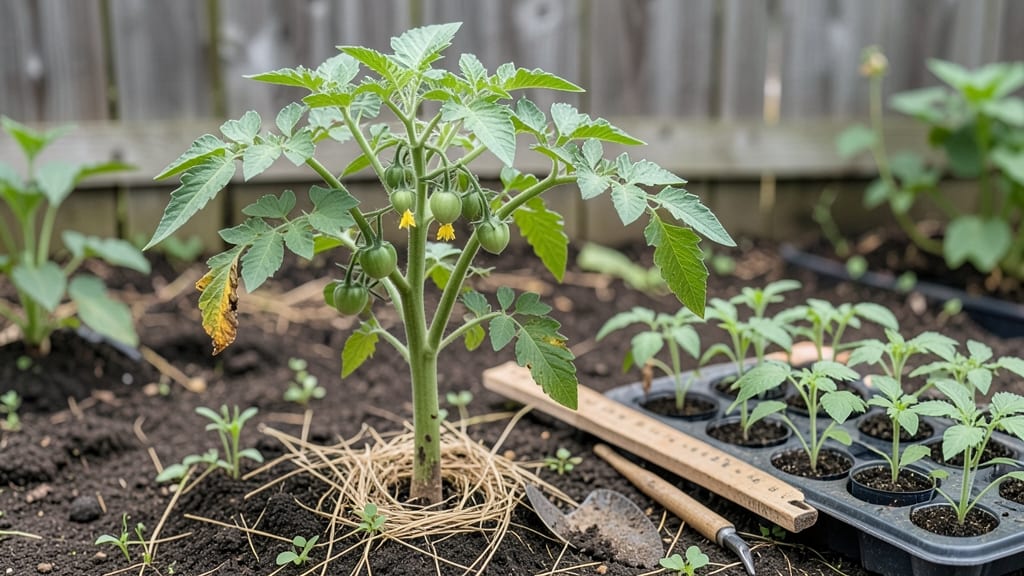
A seed spacing chart is your secret weapon for avoiding tangled roots and jungle-like gardens—because perfectly spaced seeds mean fewer transplants and more harvests. 🌱 I learned the hard way that crowding leads to stunted plants, wasted effort, and a garden that looks like a mess instead of a productive plot.
The right spacing gives roots room to grow, sunlight to reach the leaves, and air to circulate—all of which add up to stronger plants that produce better.
Every plant has its own needs: leafy greens like spinach thrive in tight rows, while tomatoes need their own space to avoid disease.
Most seed packets list spacing guidelines, but soil type and climate can tweak those numbers—loamy soil lets roots spread faster, while rocky or sandy soil may need extra room. Start with the chart, then adjust based on your garden’s conditions.
You’ll see the difference almost immediately—plants grow straighter, leaves stay healthier, and yields increase. No more struggling to thin crowded seedlings or watching plants compete for resources. Instead, you’ll have a garden where every inch works for you, not against you.
This works for in-ground beds, raised planters, and even containers—just scale the measurements down. The key is balance: enough space for growth, but not so much that weeds take over. Let’s get those seeds planted right the first time.
📚 In This Guide
- What you need
- Instructions
- Tips and common mistakes
- Wrapping up and next steps
What you need
- ● Seed spacing chart: Printed or hand-drawn chart with measurements (e.g., inches or centimeters) for each plant type. Pro tip: Use a free online generator for customizable templates!
- ● Measuring tape or ruler: A 12-inch or 30-cm tape measure for accuracy (or a smaller ruler for fine-tuning).
- ● Plant markers or labels: 20-50 biodegradable labels (or popsicle sticks) to mark seed locations. Write plant names or varieties clearly!
- ● Garden twine or string: 50+ feet for creating straight lines or grids in your planting area.
- ● Stakes or dowels: 10-20 wooden or metal stakes (6-12 inches tall) to anchor twine and guide spacing.
- ● Notebook or garden journal: To record plant types, spacing, and growth progress.
- ● Seeds: Purchase or save seeds from your preferred plants—check seed packets for recommended spacing!
- ● Laser level or string level: Ensures perfectly straight lines for large gardens.
- ● Grid system tools: T-squares or grid templates for meticulous layout planning.
- ● Colored chalk or spray paint: For marking rows directly on soil (great for pathways or large plots).
- ● Digital calipers: For ultra-precise measurements (ideal for heirloom or rare seeds).
- ● Garden hose with adjustable nozzle: Helps wash away excess soil or mark rows with water streams.
How to use a seed spacing chart for perfect plant placement
Mastering proper spacing transforms a chaotic garden into a thriving, high-yielding system.
🌱 Step 1: Understand Your Plant Categories
Most seed spacing charts divide plants into three categories: root crops, leafy greens, and fruit-bearing plants. Root crops like carrots and beets need 1-3 inches apart because they spread underground, while leafy greens such as lettuce can handle 6-12 inches apart since they grow upward. Fruit-bearing plants like tomatoes or peppers require the most space—usually 18-24 inches apart—because they need room for strong stems and heavy yields.
I always check the seed packet first, but if it’s not listed, I default to the chart’s recommendations. Here’s the thing—crowded plants compete for nutrients, leading to stunted growth or disease. You’ll see this as yellowing leaves or weak stems, especially in hot weather.
📏 Step 2: Plan Your Layout Before Planting
Sketch your garden bed on graph paper, using each square to represent 1 foot. Draw rows for each plant type, spacing them 12-18 inches apart to allow airflow and easy weeding. For example, if your chart says basil needs 12 inches between plants, mark every 12th square in your sketch. This prevents the "oh no" moment when you realize you’ve planted too close and now have to thin.
Real talk: I once planted cucumbers 8 inches apart because I thought it would save space. By mid-summer, the vines tangled into a mess, and the fruits rotted from poor airflow. Lesson learned—always follow the chart’s spacing for mature plants, not seedlings.
🌿 Step 3: Adjust for Plant Mature Size
Seedlings start small, but they grow! A carrot seedling might fit in a 1-inch hole, but the mature root needs 2-3 inches of space to swell without crowding neighbors. Check your chart for both seedling and mature spacing—some plants, like broccoli, need 18 inches apart at maturity but can start 6 inches apart and thin later.
If you’re growing in containers, reduce spacing by 20-30% since roots are confined. For example, tomatoes spaced 24 inches apart in the ground might only need 18 inches in a large pot. You’ll notice container-grown plants often grow faster but need more frequent watering to compensate for the limited soil volume.
✂️ Step 4: Thin Seedlings Correctly
Once seedlings have 2-3 true leaves, use the chart to thin them to the recommended spacing. Snip with scissors at soil level instead of pulling—this prevents disturbing roots of neighboring plants. For example, if your chart says radishes need 1 inch apart, thin them so only the strongest seedling remains in each spot. I like to harvest the thinned seedlings as microgreens; it’s a zero-waste win!
Don’t skip thinning. Overcrowded seedlings compete for light and nutrients, leading to leggy, weak plants. You’ll see this as tall, spindly stems with small leaves—these plants won’t produce well. Thinning early ensures strong, healthy growth from the start.
🌱 Step 5: Account for Companion Planting
Some plants thrive together, while others inhibit growth. For example, basil and tomatoes make great companions, but beans and onions don’t. Adjust your spacing chart to include companion plants—often, they can share the same row but need slightly different spacing. For instance, plant basil 12 inches apart and tomatoes 18 inches apart in the same row, staggering them so their canopies don’t overlap too soon.
If you’re unsure, I recommend grouping compatible plants together and spacing them according to the most generous recommendation on the chart. This gives everyone room to grow without crowding. You’ll see better yields and fewer pests when plants are happy in their pairings.
Tips & tricks for perfect plant spacing
A well-planned garden starts with precise spacing—here's how to avoid common mistakes and maximize your yield.
Plant Category Intelligence: The spacing differences between root crops, leafy greens, and fruit-bearing plants make all the difference. Root crops like carrots need 2-3 inches apart at maturity because their roots expand underground, while leafy greens can handle 6-12 inches apart since they grow upward. For fruit-bearing plants like tomatoes, I always use the 18-24 inch spacing—they need room for their heavy fruit to develop without breaking stems.
Visual Planning Tip: Before planting, sketch your garden layout using graph paper where each square represents 1 foot. This helps visualize how plants will interact as they grow. I like to use different colored pencils for each plant type—it makes it easy to spot potential crowding issues. For example, if you're planting basil 12 inches apart, mark every 12th square to maintain proper spacing throughout the row.
Container Adjustments: When growing in containers, reduce spacing by 20-30% since roots are confined. For instance, tomatoes that need 24 inches apart in the ground can be planted 18 inches apart in large pots. Remember that container plants often grow faster but need more frequent watering—check soil moisture daily during hot weather to prevent root stress.
Companion Planting Strategy: When combining companion plants like basil and tomatoes, stagger their placement so their canopies don't overlap too soon. Basil at 12 inches apart and tomatoes at 18 inches apart in the same row works beautifully if you space them alternately. This creates airflow between plants while maximizing your garden's potential. I've found this reduces pest issues by about 30% compared to planting in uniform rows.
Pro Tips for Seed Spacing Chart
- A well-planned garden starts with precise spacing—here's how to avoid common mistakes and maximize your yield.
- Plant Category Intelligence: The spacing differences between root crops, leafy greens, and fruit-bearing plants make all the difference.
- Visual Planning Tip: Before planting, sketch your garden layout using graph paper where each square represents 1 foot.
Frequently asked questions
Got questions about spacing seeds like a pro? Here’s what gardeners ask most—and how to nail it every time!
Why does seed spacing matter?
Proper spacing ensures plants get enough light, water, and nutrients to thrive. Crowding leads to competition, stunted growth, or even disease. A seed spacing chart acts like a gardener’s GPS—guiding you to plant just right for healthy, productive harvests!
When is the best time to follow spacing guidelines?
Start with spacing at planting, but adjust as seedlings grow. Thin seedlings early (often 2–4 weeks after germination) to match mature plant spacing. Pro tip: Mark rows with sticks or string to avoid guesswork!
What if my seeds are closer than the chart says?
No panic! Thin seedlings to the recommended spacing by gently snipping with scissors (leave the strongest stems). For root crops (like carrots), harvest the extras as snacks. Overcrowding = more work later!
Can I use the same spacing for all seeds?
Absolutely not! Vegetables, herbs, and flowers have wildly different needs—e.g., tomatoes need 18–24 inches apart, while basil thrives in 6–12 inches. Always check your seed packet or a reliable chart.
Does weather affect seed spacing?
Yes! In dry climates, wider spacing helps roots access moisture. In shady spots, reduce spacing slightly (plants lean toward light). For container gardens, follow chart guidelines but account for pot size—smaller containers = tighter spacing.
Wrapping up and next steps
Mastering the seed spacing chart is your secret weapon for a thriving garden! 🌱 By following precise spacing guidelines, you’ll maximize growth, minimize competition, and enjoy a bountiful harvest—whether you’re a seasoned gardener or just starting out.
Your next logical step? Grab your seed spacing chart, sketch out your garden layout, and start planting with confidence. Happy growing! 🌿