Trees
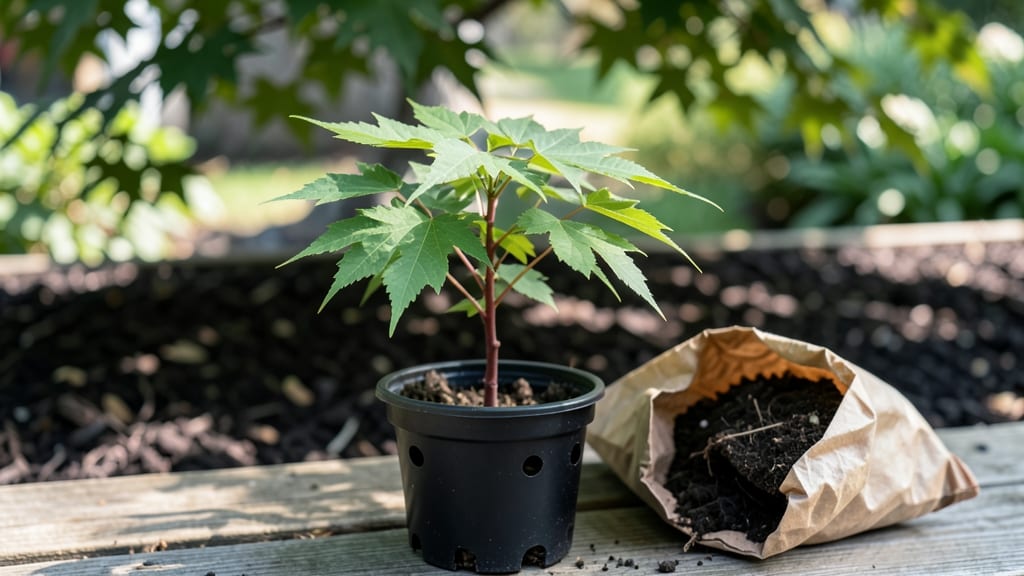
Growing a sugar maple seedling into a towering forest giant starts with a single, delicate sprout. 🌱 I’ve watched my own seedlings transform from fragile saplings to sturdy 3-foot stalwarts in just three years—and the key is patience paired with the right care from day one.
The secret isn’t complicated: it’s about mimicking the conditions of a northern hardwood forest, where sugar maples thrive naturally.
You’ll need well-draining soil rich in organic matter, a spot with partial shade during hot afternoons, and consistent moisture without waterlogging. Sugar maples hate soggy roots but crave deep watering—think of it like giving them a drink that lasts all week.
Most gardeners overlook mulching, but a 3-inch layer of wood chips keeps roots cool in summer and insulated in winter, which is critical for young seedlings still building cold hardiness.
By year three, your seedling will stand tall enough to cast its own shade, with a trunk thick enough to resist wind damage. The leaves will turn that iconic fiery red in fall, proving it’s ready to handle whatever winters throw at it.
The best part? These trees grow slowly but steadily, meaning fewer pruning headaches and more time admiring their steady growth.
Whether you’re planting in a backyard, woodland edge, or even a large container for now, the principles stay the same. The biggest mistake I see is rushing—sugar maples take their time, but with the right start, they’ll reward you for decades.
Let’s get those seedlings off to the best possible beginning.
📚 In This Guide
- What you need
- Instructions
- Tips and common mistakes
- Wrapping up and next steps
What you need
- ● Sugar maple seeds: 5–10 fresh, viable seeds (harvested in fall or purchased from a trusted supplier). Pro tip: 💡 Store seeds in a damp paper towel in the fridge for 3–6 months to break dormancy!
- ● Seed-starting mix: 1–2 gallons of sterile, well-draining potting soil (e.g., Pro-Mix or coconut coir blend). Avoid garden soil—it can harbor pests.
- ● Seed trays or small pots: 4–6 biodegradable peat pots (2–3 inches deep) or a seed tray with cell inserts.
- ● Clear plastic dome or plastic wrap: To create a mini greenhouse effect and retain moisture.
- ● Watering can or spray bottle: With a fine mist nozzle for gentle hydration.
- ○ Fertilizer (optional but helpful): A balanced, water-soluble fertilizer (5-10-5 NPK ratio) for young seedlings.
- ● Tweezers or toothpick: For carefully placing seeds into pots.
- ● Plant labels: Waterproof markers or wooden tags to track seedlings.
- ○ Grow lights (optional): A full-spectrum LED grow light (12–16 hours/day) if natural light is insufficient.
- ○ Heat mat (optional): For indoor starts—keeps soil warm (70–75°F) to speed germination.
- ● Gloves and knee pads: For comfortable handling of soil and tools.
- ● A sunny location: Sugar maples thrive in full sun (6+ hours/day) but tolerate partial shade.
- ● Patience: Germination can take 2–4 weeks, and seedlings grow slowly at first!
- ● Outdoor space (eventually): A prepared planting site with well-draining, slightly acidic soil (pH 5.0–6.5).
Step-by-step instructions for growing sugar maple seedlings
Here's how to nurture cold-hardy maple saplings that'll thrive for decades.
🌱 Step 1: Collect and Stratify Seeds Properly
Gather ripe sugar maple samaras (winged seeds) in late fall when they've naturally dropped. Store them in a breathable paper bag in your refrigerator's crisper drawer for 90 days—this cold stratification mimics winter conditions and breaks seed dormancy. Check them monthly; if they're still dry and firm, keep them chilling.
After stratification, soak the seeds in lukewarm water for 24 hours to soften the hard outer shell. This step is critical—without it, germination rates drop below 20%. Drain well before planting. I like to use a fine mesh strainer for this soak to prevent losing tiny seeds.
🪴 Step 2: Prepare Containers and Planting Medium
Use 4-inch deep containers with drainage holes—plastic cell packs work well for the first year. Fill them with a mix of 50% peat moss and 50% perlite to create a lightweight, well-draining medium. Sugar maples hate soggy roots, so this blend prevents rot while retaining enough moisture.
Plant seeds ½ inch deep, spacing them 1 inch apart in each cell. Cover lightly with additional mix and gently press down. Water immediately with a spray bottle until moisture reaches the bottom of the container. You'll see tiny roots pushing through the drainage holes within 2-3 weeks if conditions are right.
☀️ Step 3: Provide Ideal Growing Conditions
Place containers in a spot with partial shade—direct sun at this stage causes seedlings to dry out too quickly. Maintain soil moisture by watering when the top inch feels dry. Overwatering is the biggest killer here; yellowing leaves signal you're keeping them too wet.
Keep temperatures between 60-70°F during the day and no lower than 50°F at night. A seedling heat mat helps if your home runs cooler. You'll notice the first true leaves (not the initial seed leaves) appear in 4-6 weeks. These will be broad and lobed—classic maple shape.
⏰ Step 4: Transplant and Harden Off Yearlings
After 12 months, when seedlings reach 6-8 inches tall, transplant them into 1-gallon containers with fresh planting mix. Use a trowel to gently lift seedlings, keeping as much root ball intact as possible. This reduces transplant shock significantly.
Begin hardening off in early spring by placing seedlings outside for 2 hours daily, gradually increasing to full sun exposure over 2 weeks. Watch for wilting—they're telling you to slow down. By their second summer, they should tolerate full sun and 30°F nighttime temps without protection.
🌿 Step 5: Establish Outdoors for Long-Term Growth
Plant outdoors in late spring after all frost danger has passed. Choose a site with morning sun and afternoon shade—young maples appreciate this gradual light introduction. Dig a hole twice as wide as the root ball but no deeper. Amend the native soil with compost to improve drainage.
Water deeply after planting to settle the soil, then maintain 1 inch of water weekly during the first growing season. Mulch with 2 inches of wood chips to retain moisture and suppress weeds. You'll see new growth in 3-4 weeks, and by year three, your seedlings will be ready for their permanent forest home.
Tips & tricks for growing cold-hardy maple seedlings
Growing sugar maple seedlings takes patience, but these key strategies will help you avoid common pitfalls and give your young trees the best start possible.
Stratification Success: Don't rush the 90-day cold stratification—this mimics winter conditions and is absolutely critical for breaking seed dormancy. I've learned the hard way that skipping this step results in germination rates below 20%. Place a small note on your fridge to remind yourself to check monthly, and if seeds remain dry and firm after 90 days, they're still viable for planting.
Soaking Technique: The 24-hour lukewarm water soak is your secret weapon for softening those tough seed shells. Use a fine mesh strainer to prevent losing tiny seeds during draining, and make sure the water stays lukewarm—not hot—throughout the entire soaking period. I like to place the strainer in a bowl of water to maintain consistent temperature.
Container Considerations: While 4-inch deep containers work perfectly for the first year, consider using biodegradable pots if you plan to transplant directly into the ground. These can be planted right into the soil, eliminating the need for root disturbance. Just make sure they have those essential drainage holes—soggy roots are the enemy of healthy seedlings.
Transplant Timing: When you're ready to transplant after 12 months, aim for late spring when nighttime temperatures consistently stay above 50°F. This gives your seedlings time to establish roots before winter arrives. I've found that seedlings transplanted in May or June have significantly better survival rates than those moved earlier in the season.
Pro Tips for Sugar Maple Seedling
- Growing sugar maple seedlings takes patience, but these key strategies will help you avoid common pitfalls and give your young trees the best start possible.
- Stratification Success: Don't rush the 90-day cold stratification—this mimics winter conditions and is absolutely critical for breaking seed dormancy.
- Soaking Technique: The 24-hour lukewarm water soak is your secret weapon for softening those tough seed shells.
Frequently asked questions
Got questions about growing sugar maple seedlings?
You’re not alone! Here are answers to the most common queries to help you get started with confidence.
How long does it take for a sugar maple seedling to mature into a full tree?
A sugar maple seedling typically takes 20–30 years to reach full maturity (60+ feet tall), but it establishes a strong root system in just 3–5 years. With proper care, you’ll see significant growth in its first decade—making it a rewarding long-term investment!
Are sugar maple seedlings cold-hardy enough for my climate?
Sugar maples thrive in USDA Zones 3–8, handling winters as cold as -40°F. If you’re in a colder region (like Zone 2), choose a hardier cultivar or provide winter mulch. They’re one of the most resilient native trees for northern climates.
Can I grow a sugar maple from seed, or should I buy a seedling?
While possible, growing from seed is slow and unpredictable—germination can take 1–3 months, and seedlings may not retain the parent tree’s traits. Buying a 1–2 year-old nursery seedling ensures faster, healthier growth with guaranteed species purity. Pro tip: Look for bare-root seedlings in early spring for best results!
What should I do if my sugar maple seedling’s leaves turn yellow?
Yellowing leaves (chlorosis) often signal nutrient deficiency (like iron or magnesium) or overwatering. Test your soil and amend with compost or chelated iron if needed. Avoid soggy soil—sugar maples prefer well-draining, slightly acidic soil (pH 4.5–6.0). Check for pests like aphids, which can also cause stress.
How much space should I leave between sugar maple seedlings when planting?
Plant seedlings 20–30 feet apart for optimal growth, as mature sugar maples spread widely. If space is limited, thin seedlings to 15 feet apart but expect slower canopy development. Pro tip: Group them with shade-tolerant plants (like ferns) while they establish.
Can I transplant a sugar maple seedling after it’s been planted?
Transplanting is possible but stressful—best done in early spring or fall when the tree is dormant. Dig a wide, shallow hole to preserve roots, and water thoroughly post-transplant. Young seedlings (under 3 years) adapt better than older trees. Warning: Avoid transplanting during extreme heat or drought.
Wrapping up and next steps
Growing sugar maple seedlings is a rewarding journey that connects you to nature’s sweet legacy—literally! 🌳 With patience, the right conditions, and a little care, you’ll nurture a tree that thrives for decades, offering shade, beauty, and even future syrup potential.
Whether you’re a beginner or a seasoned gardener, every seedling starts somewhere, and yours could be the beginning of a stunning forest story.
Ready to take the next step? Plant your seedlings this fall and watch them grow into resilient giants. Need guidance? Check out local forestry resources or connect with tree enthusiasts for tips tailored to your climate. Happy planting—your future maple grove awaits! 🌿✨