
Propagation
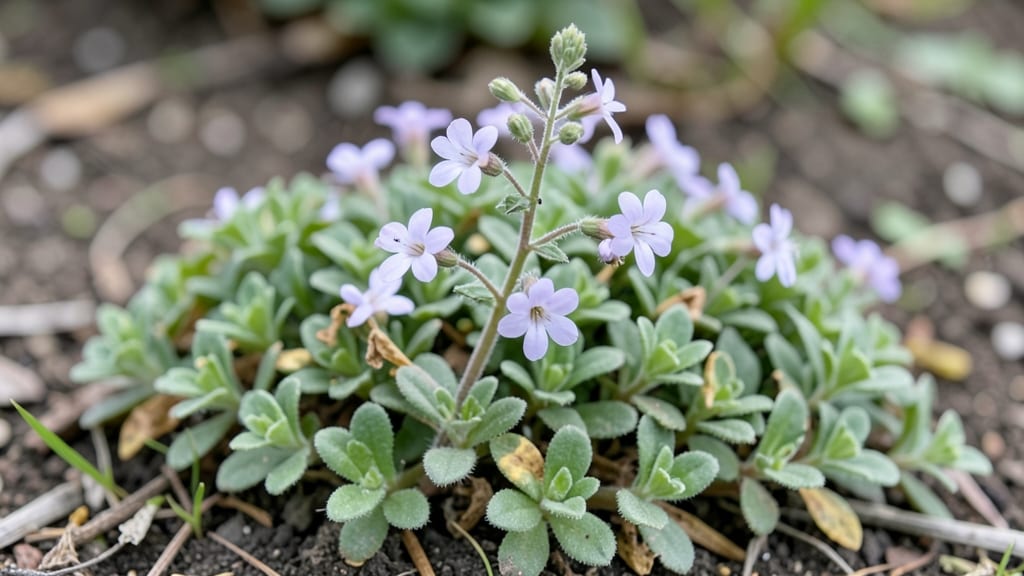
Sweet alyssum seedlings pop up in 5-7 days without the cold treatment most guides demand. 🌱 I’ve grown thousands of these tiny white flowers, and I’ll show you how to skip the fridge, beat slow germination, and get those first leaves unfurling faster than you’d expect.
The secret isn’t complicated—it’s all about warmth, moisture, and a little patience.
You’ll need just three things: a shallow tray, a mix of potting soil and perlite, and a spray bottle for gentle watering. No fancy setups or expensive tools—just a sunny windowsill or grow light and a thermometer to keep things between 65-75°F.
Overwatering is the only real enemy here, so we’ll keep it simple and consistent.
By day 10, you’ll have a carpet of tiny green sprouts ready to transplant. The flowers arrive even sooner than the leaves—those delicate white blooms peek through just 2-3 weeks after sowing, and they’ll keep coming all season if you thin them properly.
No leggy, weak seedlings here; these grow sturdy and fast.
Works for borders, containers, or even as a living mulch under roses. Once you master this method, you’ll never buy alyssum plants again. Let’s get those seeds sprouting!
📚 In This Guide
- What you need
- Instructions
- Tips and common mistakes
- Wrapping up and next steps
What you need
- ● Sweet alyssum seeds: 1 packet (contains ~500 seeds) – choose Lobularia maritima for best results.
- ● Seed-starting mix: 1 bag (1–2 quarts) – use a sterile, well-draining mix (e.g., 50% peat moss, 30% perlite, 20% vermiculite).
- ● Seed trays or small pots: 1–2 shallow trays (2–3 inches deep) or 2-inch biodegradable pots (10–20 units).
- ○ Clear plastic dome or plastic wrap: 1 sheet – for humidity (optional but helpful!).
- ● Spray bottle: 1 – for gentle watering.
- ● Grow lights or sunny windowsill: Access to 6+ hours of light daily (south-facing window or LED grow lights).
- ○ Fine-mesh sieve: 1 – for sifting seed mix (optional but makes sowing easier).
- ● Tweezers or toothpick: 1 pair – for precise seed placement.
- ○ Heating mat (optional): 1 – speeds germination (70–75°F ideal).
- ● Fertilizer (low-dose): 1 bottle – use a balanced 10-10-10 diluted to half-strength after sprouts appear.
Step-by-Step instructions for growing sweet alyssum seedlings quickly
Skip the cold stratification and get fast, vigorous seedlings in just days.
🌱 Step 1: Prepare Containers and Growing Medium
Use the 4-inch seedling trays you have—sweet alyssum thrives in shallow roots, so deep pots aren’t necessary. Fill each cell with the 1 gallon of seed-starting mix, pressing it down lightly until it’s firm but not compacted. You’ll know it’s right when you poke a finger in and feel resistance without it feeling rock-hard.
Moisten the mix with warm water until it’s damp like a wrung-out sponge. Too much water creates soggy soil that drowns seeds, while too little means they won’t germinate. A quick squeeze should leave a faint print—if it crumbles, add a little more moisture.
💧 Step 2: Sow Seeds and Create Ideal Moisture
Scatter 1/4 teaspoon of sweet alyssum seeds evenly across the tray’s surface—don’t worry about spacing too closely. Alyssum seeds are tiny, so I use a fine-mesh sieve to distribute them uniformly. Press them lightly into the soil with your fingertip, just enough to make contact but not bury them.
Mist the entire tray with a spray bottle until the soil looks uniformly damp. Cover the tray with plastic wrap to trap warmth and moisture—this mimics the humidity alyssum loves. Place it in a warm spot (70-75°F) like on top of the fridge or near a sunny window. You’ll see sprouts in just 5-7 days—much faster than waiting for cold stratification.
☀️ Step 3: Provide Light and Thin Seedlings
As soon as the first tiny green sprouts appear, remove the plastic wrap immediately. Too much humidity now causes damping-off, where seedlings rot at the base. Move the tray to a bright, indirect light spot—a south-facing window works well. If your space is dim, supplement with a grow light kept 4 inches above the seedlings.
When seedlings reach 1 inch tall, thin them to 1 plant per cell using clean scissors. Pulling risks disturbing roots, while snipping cleanly prevents disease. Use the thinned seedlings as microgreens or replant them in the same tray if you’re short on space.
🌿 Step 4: Harden Off and Transplant
Two weeks after germination, start hardening off by placing the tray outside in partial shade for 1 hour daily. Gradually increase exposure over 5-7 days until they’re getting full sun. Alyssum loves heat but hates sudden shocks—watch for leaves that wilt or yellow, which means they need more time to adjust.
Transplant seedlings to their final spots when they’re 2-3 inches tall, spacing them 6-8 inches apart. Dig holes just deep enough to cover the roots, then water deeply to settle the soil. You’ll have blooming alyssum in just 6-8 weeks—no cold treatment needed!
Tips & tricks for perfect sweet alyssum seedlings
Here's what I've learned to make sweet alyssum germination faster and more reliable—no cold stratification needed.
The Warmth Factor: That 70-75°F warm spot is crucial for speedy germination. I place my trays on top of my fridge, which stays consistently around 72°F. If your kitchen is cooler, consider using a seedling heat mat set to low—just don't exceed 80°F, or you risk drying out the soil too quickly.
Soil Consistency Secret: In Step 1, when you're pressing down that seed-starting mix, aim for the texture of a damp sponge—not too wet, not too dry. I test by squeezing a handful: if it holds its shape but leaves a faint print, you're golden. If it crumbles, add a little more warm water; if it sticks together, it's too wet.
Light Transition: The move from plastic wrap to bright light in Step 3 is where most beginners go wrong. As soon as those first sprouts appear, remove the plastic immediately—even an extra day can cause damping-off. I keep my seedlings under a grow light for the first week, then gradually move them to more natural light as they grow stronger.
Thinning Strategy: When you thin to 1 plant per cell at the 1-inch mark, don't toss those extras! Use them as microgreens—just rinse them gently and enjoy in salads. I've found that alyssum microgreens have a mild, slightly sweet flavor that works beautifully in both savory and sweet dishes.
Pro Tips for Sweet Alyssum Seedling
- Here's what I've learned to make sweet alyssum germination faster and more reliable—no cold stratification needed.
- The Warmth Factor: That 70-75°F warm spot is crucial for speedy germination.
- Soil Consistency Secret: In Step 1, when you're pressing down that seed-starting mix, aim for the texture of a damp sponge—not too wet, not too dry.
Frequently asked questions
Got questions about growing sweet alyssum seedlings? You’re not alone! Here are answers to the most common queries to help you succeed—no cold stratification needed.
Do sweet alyssum seeds need cold stratification to germinate?
Nope! Unlike many flowers, sweet alyssum seedlings sprout quickly (7–14 days) without cold treatment. Just keep soil consistently moist and warm (65–75°F). For faster results, soak seeds overnight before planting.
How long does it take for sweet alyssum seedlings to grow?
Expect germination in 7–14 days under ideal conditions. Seedlings reach transplant size (2–3 inches tall) in 4–6 weeks. Thin them to 6–8 inches apart for bushy, fragrant blooms.
Can I grow sweet alyssum from seed indoors for fall planting?
Start seeds 6–8 weeks before your last frost indoors under grow lights. Harden off seedlings for 1–2 weeks before transplanting. Use seed-starting mix and keep humidity high with a plastic dome.
Why aren’t my sweet alyssum seeds germinating?
Check these fixes:
- Dry soil? Keep it consistently moist (not soggy).
- Too cold? Use a heat mat (65°F+).
- Old seeds? Test viability by soaking a few in water—if they sink, they’re good!
- Light issue? Sweet alyssum prefers indirect light until sprouts appear.
What’s the best alternative if sweet alyssum seedlings fail?
Try these low-maintenance, fast-germinating alternatives:
- Calendula (edible, pest-repellent)
- Lobularia maritima (same family, similar care)
- Snapdragons (germinate in 10–14 days)
- Pansies (cool-season bloomers)
All thrive in similar conditions but may offer different colors or heights!
Wrapping up and next steps
Growing sweet alyssum seedlings without cold stratification is totally doable—and rewarding! 🌱 With the right mix of warmth, moisture, and patience, you’ll enjoy fast germination and lush, fragrant blooms in no time. Whether you’re a beginner or a seasoned gardener, these tips make the process simple and stress-free.
Ready to take the next step? Start sowing those seeds today and watch your garden transform with delicate, sweet-scented flowers. Happy planting! 🌸