
Diseases
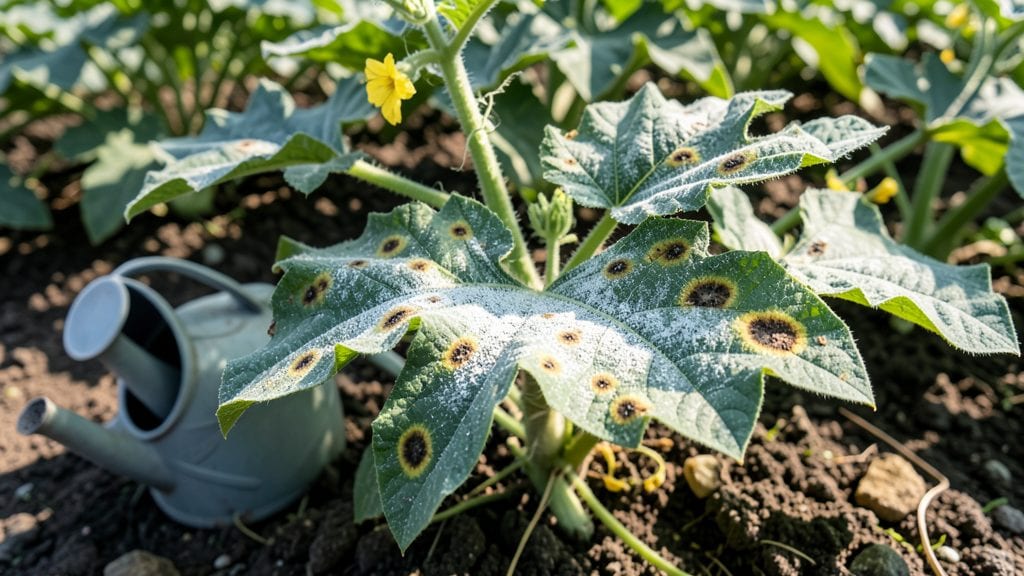
Spotting watermelon seedling diseases early can save your entire crop—those first yellow patches or wilted stems are your first warning signs. 🌱 I’ve lost entire flats of seedlings to damping-off and powdery mildew, but I’ve also learned how to catch these issues before they spread.
The key is knowing what to look for: soft, mushy stems for damping-off or white dusty spots for mildew.
Most seedling diseases thrive in crowded, damp conditions, so proper spacing and airflow are your best defenses. I swear by using sterilized seed-starting mix and avoiding overhead watering—those tiny seedlings can’t handle soggy soil.
A simple spray of neem oil or baking soda mix (1 teaspoon per quart of water) can stop mildew in its tracks if you catch it early.
Healthy seedlings should stand tall with vibrant green leaves, not limp or spotted. With the right prevention, you’ll see strong, disease-free plants ready for transplanting in just 3-4 weeks.
The difference between a thriving patch and a failed crop often comes down to acting fast at the first sign of trouble.
This works for both greenhouse starts and outdoor beds—just adjust your watering schedule based on humidity levels. Let’s get those seedlings growing strong from day one.
Root Causes of Seedling Struggles
Watermelon seedlings are delicate powerhouses—packed with potential but vulnerable to invisible threats. Understanding why these diseases strike is the first step to protecting your crop. Below, we break down the science behind the most common culprits, from soil-born pathogens to environmental stress.
Armed with this knowledge, you can prevent (not just treat) seedling diseases before they take root.
Most seedling diseases are caused by microscopic invaders that thrive in warm, moist conditions—exactly the environment young watermelon plants love. Here’s how they exploit your seedlings:
- Fungal Foes (Damping-Off, Powdery Mildew, Fusarium Wilt):
- Spores in the Soil: Fungi like Pythium and Rhizoctonia lurk in organic matter (compost, old plant debris) and attack seedlings at the soil line, causing damping-off—where stems rot and seedlings collapse like a house of cards. 🏠💀
- Airborne Spread: Powdery mildew (Podosphaera xanthii) spores hitch rides on wind or splashing water, landing on tender leaves and forming white, powdery patches that block sunlight and stunt growth.
- Systemic Invaders: Fusarium and Verticillium wilt fungi invade through roots, clogging xylem vessels (the plant’s water highways) with fungal threads. Result? Wilting, yellowing, and death—even if soil looks moist. 💧➡️🌿💀
- Bacterial Bullies (Soft Rot, Angular Leaf Spot):
- Waterlogged Stress: Bacteria like Erwinia (cause of soft rot) thrive in saturated soil, entering through wounds (e.g., from rough handling or hail). They produce enzymes that liquefy plant tissue, turning seedlings to mush overnight. 🥬💦
- Leaf Surface Entry: Pseudomonas syringae (angular leaf spot) sneaks in through stomata (tiny leaf pores) or wounds, triggering dark, angular lesions that spread like wildfire in humid conditions.
💡 Pro Tip: Fungal spores and bacteria survive in soil for years—sterilizing seedbeds with solarization (clear plastic sheets) or fungicide-treated seeds can dramatically reduce initial infection rates.
Watermelon seedlings don’t just battle microbes—they’re also at the mercy of their surroundings. These factors weaken defenses, making them prime targets for disease:
| Stressor | How It Weakens Seedlings | Disease Risk Spike |
|---|---|---|
| Overcrowding | Poor airflow traps moisture on leaves, creating perfect fungal breeding grounds. Seedlings compete for nutrients, stunting growth and reducing disease resistance. | Powdery mildew, downy mildew |
| Poor Drainage | Waterlogged roots suffocate seedlings, inviting Pythium and bacterial rot. Even "light" watering can create anaerobic (oxygen-free) soil, stressing plants. | Damping-off, soft rot |
| Extreme Temperature Swings | Cold nights (<60°F) or heat stress (>95°F) shock seedlings, suppressing immunity**. Sudden temperature drops also trigger condensation on leaves—ideal for fungal spores. | Fusarium wilt, powdery mildew |
| Nutrient Imbalance | Too much nitrogen = lush, weak growth (more fungal food!). Too little phosphorus = poor root development, making seedlings more susceptible to root-invading pathogens. | Root rots, Fusarium |
✨ Actionable Fix: Use raised beds with sandy loam soil to improve drainage, and mulch with straw to regulate soil temperature. Avoid overhead watering—drip irrigation keeps leaves dry and reduces fungal spores’ hitchhiking opportunities.
Not all seedlings are created equal. Some are genetically predisposed to disease due to:
- Low-Quality Seeds:
- Old, damaged, or improperly stored seeds may carry surface contaminants (fungi/bacteria) that infect seedlings immediately after germination.
- Hybrids bred for disease resistance (e.g., 'Crimson Sweet' for Fusarium) are your best bet—check seed packets for resistance labels!
- Transplant Shock:
- Seedlings moved from nurseries to fields without acclimation (hardening off) suffer root trauma, making them 3x more likely to succumb to Pythium.
- Solution: Gradually expose seedlings to outdoor conditions (1 week before transplanting) and water deeply 24 hours prior to reduce stress.
- Weak Starts (Underwatering or Overwatering):
- Seedlings need consistent moisture—not soggy soil, not bone-dry. Fluctuations trigger osmotic stress, weakening cell walls and making them easier targets for pathogens.
🔥 Hot Tip: Test your soil’s moisture retention with the "squeeze test": Grip a handful—if water drips out, it’s too wet. If it crumbles, add moisture. Aim for damp, not saturated.
By identifying these root causes, you can shift from reactive to proactive disease management. The key? Healthy seedlings start with healthy soil, smart spacing, and vigilant monitoring—before the first symptom appears.
Fixing Seedling Diseases Fast
Now that you know the culprits behind watermelon seedling diseases, let’s roll up your sleeves and tackle them head-on! Early action is key—whether you’re dealing with fungal infections, bacterial rot, or viral attacks, these solutions will help you nurse your seedlings back to health.
Below, we’ve mapped out practical fixes for each common cause, plus prevention tips to keep future crops thriving.
Fungi like Fusarium, Pythium, and downy mildew thrive in damp, warm conditions. Here’s how to kill the spores and save your seedlings:
🔥 Remove Infected Plants Immediately
- 👨🍳 Step 1: Snip off or pull out any seedlings showing yellowing, wilting, or moldy stems. Do not compost them—this spreads spores!
- 🧹 Step 2: Sterilize your pruners with 70% isopropyl alcohol or a 10% bleach solution (1 part bleach to 9 parts water) to prevent cross-contamination.
💡 Fungicide Treatment (Organic & Chemical Options)
| Cause | Fix | Prevention Tip |
|---|---|---|
| Damping Off | Sprinkle copper fungicide or baking soda spray (1 tsp baking soda + 1 quart water + a drop of dish soap) on soil. Repeat every 7–10 days. | ✨ Use sterilized soil (bake at 200°F for 30 mins) and avoid overwatering. |
| Fusarium Wilt | Apply neem oil spray (2 tbsp neem oil + 1 tsp mild soap + 1 quart water) weekly. For severe cases, use systemic fungicides like Propiconazole. | 🌡️ Rotate crops—don’t plant watermelons in the same spot yearly. |
| Downy Mildew | Spray potassium bicarbonate (1 tbsp per gallon of water) on both sides of leaves at dawn for humidity control. | 💨 Improve airflow—space seedlings 12–18 inches apart. |
🌡️ Adjust Growing Conditions
- 💧 Reduce moisture: Water seedlings at the base (not overhead) and avoid wet leaves.
Use drip irrigation or soaker hoses. - ☀️ Boost sunlight: Thin seedlings if overcrowded to allow 6+ hours of direct sun daily. - 🌬️ Increase airflow: Use a small fan on low setting (24/7) to dry leaves faster—fungi hate moving air!
Bacteria like Erwinia (soft rot) and Pseudomonas (leaf spot) spread through contaminated tools, water, or infected plants. Act fast—once bacteria take hold, recovery is tough.
🔪 Prune & Destroy Infected Parts
- 🍳 Step 1: Cut off only the infected areas (if bacterial spot is localized).
For soft rot, remove the entire seedling—bacteria spread rapidly. - 🧼 Sterilize everything: Wash hands, tools, and containers with soapy water, then rinse with rubbing alcohol.
💊 Bacterial Control Methods
| Disease | Fix | Prevention Tip |
|---|---|---|
| Bacterial Leaf Spot | Apply copper-based bactericide (like Copper Sulfate) every 10–14 days. | 🌧️ Avoid overhead watering—use a watering wand. |
| Soft Rot (Erwinia) | No cure—remove and destroy infected plants. Prevent with: - Solarization (cover soil with clear plastic for 4–6 weeks in summer). - Crop rotation (wait 3+ years before replanting watermelons). | 🥗 Use disease-free seeds from reputable suppliers. |
🌿 Boost Plant Immunity
- 💪 Strengthen seedlings with a seaweed extract spray (1 tbsp per gallon of water) every 2 weeks.
- 🍎 Add compost tea (homemade or store-bought) to enhance soil microbial activity, which outcompetes harmful bacteria.
Viruses like cucumber mosaic virus (CMV) or watermelon mosaic virus (WMV) cannot be cured. Once a plant is infected, it’s a lost cause. Focus on prevention:
🛡️ Stop the Spread Like a Pro
- 🚫 Remove infected plants ASAP—burn or bag them (do not add to compost).
- 🐛 Control vectors: Viruses spread via aphids and whiteflies.
Spray with insecticidal soap or neem oil to eliminate pests. - 🌱 Use resistant varieties: Choose watermelon seeds labeled "virus-resistant" (e.g., ‘Sugar Baby’ or ‘Crimson Sweet’).
🌱 Prevention Checklist
✅ 🔍 Inspect new plants before transplanting—look for yellow mottling, stunted growth, or distorted leaves. ✅ 🧼 Sterilize tools between plants (even if they look healthy). ✅ 🌿 Rotate crops—don’t plant cucurbits (watermelon, cucumber, squash) in the same spot for 3+ years. ✅ 🌞 Keep fields weed-free—weeds harbor virus-carrying insects.
Even after treating diseases, give your seedlings a helping hand to bounce back:
- 💧 Hydrate properly: Water deeply 1–2 times per week (depending on climate) instead of daily shallow watering.
- 🌿 Fertilize lightly: Use a balanced, low-nitrogen fertilizer (like 5-5-5) to avoid stressing weak seedlings.
- 🌱 Transplant carefully: If seedlings are stunted, harden them off (acclimate to outdoor conditions) for 5–7 days before moving to the garden.
- 🌡️ Monitor temperature: Keep seedlings in 60–85°F ranges—extreme heat or cold weakens defenses.
💡 Pro Tip: Keep a garden journal to track which treatments work best for your climate. Note soil conditions, watering habits, and any diseases spotted—this helps prevent future outbreaks!
By following these steps, you’ll minimize losses and give your watermelon seedlings the best shot at a healthy, productive life. 🚀🍉
Frequently asked questions about seedling diseases in watermelon
What are the first signs of damping-off in watermelon seedlings?
Look for seedlings that suddenly collapse at the soil line, leaving a brown, mushy stem. The cotyledons (first leaves) may appear healthy, but the stem rots quickly. This fungal disease thrives in crowded, overly moist conditions—thin seedlings immediately to improve airflow and reduce humidity.
Can I reuse soil that had diseased watermelon seedlings?
No, reuse contaminated soil without sterilizing it first. Fungal spores like Pythium and Rhizoctonia survive for years. Sterilize soil by baking it at 200°F for 30 minutes or using solarization (cover with clear plastic for 4–6 weeks in summer sun). For small batches, mix in 10% hydrogen peroxide (3% solution) to kill pathogens.
Why do my watermelon seedlings get powdery mildew even with good airflow?
Powdery mildew spores can hitch rides on wind, tools, or even your clothes. High humidity (above 75%) at night or morning dew creates ideal conditions. Prevent it by watering early in the day (before evening humidity peaks) and applying a baking soda spray (1 tsp baking soda + 1 quart water + a drop of soap) weekly.
Are there watermelon varieties resistant to common seedling diseases?
Yes! Look for hybrids labeled with disease resistance, like 'Crimson Sweet' (Fusarium-resistant) or 'Sugar Baby' (powdery mildew-tolerant). Always check seed packets for resistance claims—these varieties are bred to withstand fungal and bacterial pressures better than heirlooms.
How do I know if my seedlings have a viral infection?
Viral infections like cucumber mosaic virus (CMV) cause yellow mottling, stunted growth, and distorted leaves. Unlike fungal/bacterial diseases, viruses cannot be cured—remove infected plants immediately and sterilize tools. Prevent spread by controlling aphids (virus vectors) with neem oil and rotating crops annually.