Plants
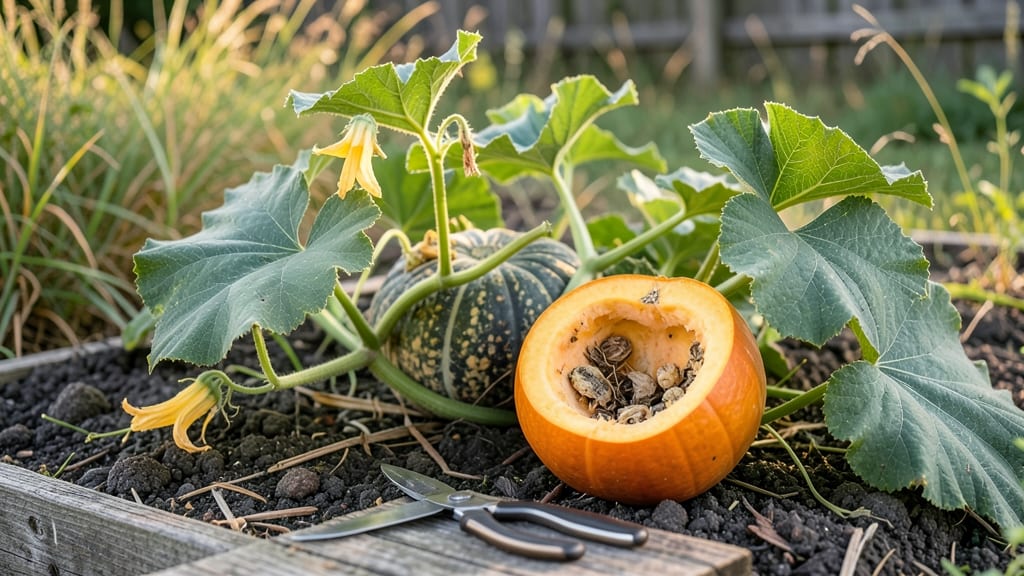
What do moldy pumpkin seeds look like—you’ll see a greenish-black fuzz creeping like a shadow across the shell, and trust me, you’ll spot it before you smell that slimy texture where the seed meets its shell. its shell—like someone dripped glue on it—then comes the unmistakable musty, damp basement odor that makes you wrinkle your nose.
If you’ve ever pulled a seed from storage and thought, "Wait, why does this smell like a wet sock?" that’s your answer.
Healthy seeds stay dry, firm, and a creamy off-white or tan color with no weird spots. Moldy ones? They’ll look like they’ve been left in a damp jar for weeks—soft to the touch, sometimes with a powdery residue clinging to the shell.
The bitter, sour smell isn’t just gross; it’s a warning that whatever’s growing on them isn’t good for you or your plants. Between you and me, I’ve thrown out more seeds than I’d like to admit after catching this too late.
Preventing this nightmare is easier than you’d think: dry them thoroughly in a well-ventilated spot (think sunny windowsill or fan-assisted drying), store them in an airtight container with a silica packet, and keep them in a cool, dark place.
If you’re unsure, do the sniff test—if it smells off, compost it. No seed is worth risking mold, especially when fresh, clean seeds are just a few weeks of drying away.
Here’s the kicker: even if the seeds look salvageable, mold spores can linger and infect your pumpkin patch later. When in doubt, toss them—your future harvest will thank you. This isn’t just about spotting the problem; it’s about avoiding it entirely. Let’s keep those seeds happy and your garden thriving.
Why it happens
Moldy pumpkin seeds don’t just appear out of nowhere—they’re the result of a perfect storm of environmental and storage factors. Understanding these causes isn’t just about avoiding a bad snack; it’s about protecting your health and preserving the seeds’ nutritional value.
Let’s break down the science behind why your pumpkin seeds go bad, so you can stop it before it starts.
Pumpkin seeds are highly hygroscopic, meaning they absorb moisture like a sponge. When humidity creeps into their storage space—whether from damp air, condensation, or even leftover dew on the seeds themselves—it kickstarts microbial growth. Here’s how it works:
- Water activity (aw) threshold: Seeds mold when their moisture content exceeds 10-12%. At this point, fungi like Aspergillus and Penicillium (yes, the same genus as penicillin!) get cozy and start producing spores.
- Condensation traps: Storing seeds in airtight containers without proper ventilation creates a greenhouse effect. Even a slight temperature drop can cause internal condensation, turning your sealed jar into a mold incubator.
- Post-roasting peril: Roasted seeds release steam, which lingers if they’re not cooled completely before sealing. Pro tip: Spread seeds on a baking sheet to cool for 30 minutes before storing.
💡 Actionable fix: Use food-grade silica gel packets or uncooked rice in your storage container to absorb excess moisture. Aim for a humidity level below 60% in your pantry.
Fungi thrive in warmth, and pumpkin seeds—especially when roasted—provide the ideal nutrient-rich feast for mold spores. Temperature plays a critical role:
Temperature Range
Mold Risk Level
Why It Happens
40–70°F (4–21°C)
⚠️ Moderate
Slow fungal growth, but spores can still germinate if moisture is present.
70–90°F (21–32°C)
🔥 High
Optimal for Aspergillus flavus, which produces aflatoxins—toxic compounds linked to liver damage.
Below 40°F (4°C) or above 100°F (38°C)
❄️ Low
Fungal activity slows, but extreme heat can pre-cook seeds, making them more susceptible to spoilage later.
🔥 Hot tip: Store seeds in a cool, dark place (like a pantry) but avoid refrigeration—the humidity from fridge drawers can accelerate mold. If your kitchen is warm, opt for a vacuum-sealed bag with an oxygen absorber.
Even before mold sets in, pests can introduce spores or physical damage that weakens seeds:
- Insects (weevils, beetles): These critters burrow into seeds, creating tiny wounds that let moisture seep in. Their frass (poop) also introduces bacteria and fungi.
- Rodents: A mouse nibble or urine deposit can contaminate an entire batch. Salmonella or E. coli may hitch a ride alongside mold.
- Cross-contamination: Storing seeds near spices, grains, or pet food (which often harbor mold spores) can transfer pathogens via air or shared surfaces.
🎯 Prevention pro move: Freeze seeds for 48 hours to kill any lurking eggs or larvae before storing. Use glass jars with airtight lids (plastic can harbor odors that attract pests) and inspect for chew marks or webbing before sealing.
Pumpkin seeds aren’t immortal. Over time, their natural oils and proteins break down, creating a buffet for microbes. Here’s how time and oxygen accelerate spoilage:
- Oxidation: Exposure to air causes seeds to rancidify, producing a bitter, off taste and rancid smell—a red flag for mold growth. Unshelled seeds oxidize 3x faster than shelled ones.
- Shelf life limits:
- Raw, unshelled seeds: 3–6 months (if properly dried).
- Roasted seeds: 1–3 months (oils degrade quickly).
- Honey-roasted or flavored seeds: 2–4 weeks (sugar feeds mold!).
- Oxygen’s role: Mold needs air to grow. That’s why vacuum-sealed bags with oxygen absorbers extend shelf life by up to 50%.
✨ Smart storage hack: Divide seeds into smaller portions and freeze what you won’t use within 2 weeks. Label containers with the date of roasting to track freshness.
How to Fix Spoiled Pumpkin Seeds
Now that you know what moldy pumpkin seeds look like, let’s tackle the problem head-on! Whether you’re dealing with seeds that have gone bad in storage or want to prevent future spoilage, these solutions will help you salvage what you can and keep your seeds fresh for longer.
If your pumpkin seeds have visible mold growth (black, green, or white fuzz), dark discoloration, or a strong, musty, or bitter smell, do not eat them. Mold can produce toxins harmful to your health, especially if consumed in large amounts. Here’s how to handle it safely:
- 👨🍳 Inspect Each Seed: Sort through your seeds and separate the good ones from the bad.
Toss any seeds with: - Fuzzy or slimy textures - Dark spots or streaks - A sour, rancid, or off-putting odor - 🗑️ Dispose Properly: Place contaminated seeds in a sealed bag and throw them in the trash. Do not compost them—mold spores can spread to other plants. - 🚫 Avoid Cross-Contamination: Wash your hands, utensils, and storage containers thoroughly after handling moldy seeds.
If only a few seeds show early signs of spoilage (light discoloration, slight mustiness, or minor texture changes), you might still be able to save them with these steps:
1. 🔪 Trim Damaged Areas (For Roasted Seeds)
- If mold is surface-level (e.g., on the outer shell), you can peel off the affected parts before roasting or eating.
- ⚠️ Warning: Only do this if the inner seed is still firm, dry, and free of mold.
If the mold has penetrated deep, discard the seed entirely.
2. 🍳 Roast or Cook Immediately
- 🔥 Heat Kills Some Mold Spores: Roasting seeds at high temperatures (300°F/150°C or higher for 10-15 minutes) can help neutralize some mold toxins.
However, this does not guarantee safety—use your judgment. - 🥘 Boil for Soups or Snacks: If you’re using seeds for cooking (e.g., in soups or hummus), boiling them for 5-10 minutes may reduce mold risks, but still avoid eating them raw.
3. 🧂 Soak in Vinegar or Saltwater (For Cleaning)
- 💡 Pro Tip: Soak seeds in a 1:3 vinegar-to-water solution for 10-15 minutes to kill surface mold.
Rinse and dry thoroughly before use. - ⚠️ Caution: This method does not eliminate deep mold—only use it for lightly affected seeds.
The best way to avoid moldy pumpkin seeds is to store them correctly. Follow these easy, science-backed tips:
🌡️ Dry Them Thoroughly Before Storing
- 🔥 Roast or bake seeds at 250°F (120°C) for 15-20 minutes to remove excess moisture.
- ⏰ Let them cool completely before sealing in an airtight container.
🗑️ Use the Right Containers
- ✅ Best Options:
- Glass jars with tight lids (prevents air and moisture)
- Mylar bags with oxygen absorbers (for long-term storage)
- Food-grade plastic containers (if sealed properly)
- ❌ Avoid:
- Plastic bags (traps moisture)
- Open containers (exposes seeds to air)
🧊 Store in a Cool, Dark Place
- 🌡️ Ideal Temperature: Below 70°F (21°C)—a pantry or fridge works best.
- 🌑 Keep Away from Light: Use opaque containers to prevent UV damage.
- 💡 Pro Tip: If storing long-term (6+ months), freeze them in an airtight bag to extend shelf life.
⏳ Check Expiration Dates
- 📅 Fresh seeds last: 1-2 months at room temperature.
- ❄️ Frozen seeds last: Up to 1 year.
- 🗓️ Test Before Use: If seeds smell rancid or stale, even without mold, it’s best to toss them.
If your seeds are too far gone to eat, don’t waste them! Here’s what you can do instead:
- 🌿 Compost Them (Safely): If you’re 100% sure there’s no mold (or if mold is minimal), compost the seeds in a hot compost pile (140°F/60°C+) to kill spores.
- 🪴 Use as Plant Food: Crush moldy seeds (if no visible fuzz) and mix them into garden soil—they’ll decompose and add nutrients.
- 🧹 Clean Your Storage Area: Wipe down shelves, containers, and tools with vinegar or bleach solution (1:10 ratio) to prevent future mold growth.
Final Thought: When in doubt, throw it out—moldy seeds aren’t worth the risk! With the right storage habits, you can keep your pumpkin seeds fresh, safe, and delicious for months. 🚀
Frequently asked questions
How can I tell if my pumpkin seeds have mold but no visible fuzz?
Check for slimy textures or damp spots on the shell, and give them a sniff—musty, sour, or bitter odors signal hidden mold. Even without fuzz, if seeds feel sticky or smell off, toss them to avoid toxins.
Can I still use pumpkin seeds with just a few moldy spots?
Only if you trim the moldy parts completely and roast the seeds at 300°F (150°C) for 10+ minutes. But if the mold penetrates deep, discard them—heat alone won’t neutralize all toxins. When in doubt, compost or trash them.
Why do my pumpkin seeds develop mold faster than others?
Mold thrives on moisture, warmth, and poor ventilation. Roasted seeds with oils or sugar coatings spoil quicker, while improper drying or sealed containers trap humidity. Store seeds in glass jars with silica packets in a cool, dark place.
Is it safe to eat pumpkin seeds with black specks (not fuzz)?
Black specks could be mold spores, insect fragments, or just natural seed blemishes. If they’re hard and dry, they’re likely harmless—but if they’re soft or accompanied by a musty smell, discard them. Never risk it if seeds feel damp or smell off.
How long can I store pumpkin seeds without mold?
Raw, unshelled seeds last 3–6 months in a cool, dry place, while roasted seeds stay fresh for 1–3 months. For longer storage, freeze them in airtight bags. Test for freshness: if they smell rancid or taste bitter, compost them.