
Watering
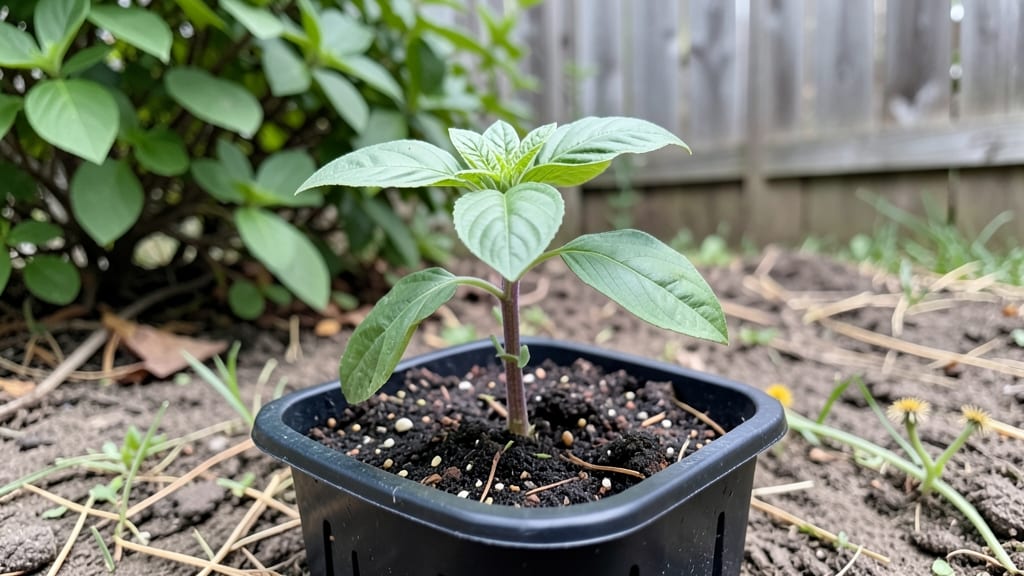
A seedling represents the critical transition phase between a dormant seed and a self-sustaining plant. 🌱 Unlike sprouts—which are early growth stages with minimal structure—seedlings develop true leaves and a stronger root network, allowing them to photosynthesize and absorb nutrients independently.
Think of it as the plant’s first major growth spurt, where proper light exposure and moisture levels determine whether it survives or withers before reaching maturity.
This stage is where most gardeners focus their attention, as seedlings are particularly vulnerable to environmental stressors. For example, too much direct sunlight can scorch delicate leaves, while inconsistent watering disrupts root development.
I’ve found that maintaining a balance—keeping soil lightly moist but not soggy—makes all the difference in helping seedlings establish themselves before transplanting.
💡 In This Article
- Seedling Development Stages Explained
- Seedling Care Tips for Healthy Growth
Seedling development stages explained
The journey from seed to mature plant begins with three distinct biological stages that transform a dormant seed into an independent organism.
First comes the radicle emergence, where the embryonic root breaks through the seed coat within 3-7 days (depending on species and conditions) to anchor the plant and absorb water.
This root system grows downward at a rate of about 0.5-1 inch per day if moisture and warmth are ideal, creating a network that will later support the entire plant's nutrient needs.
Next appears the cotyledon stage, where the first true leaves—often called seed leaves—unfold to begin photosynthesis. These leaves differ from later foliage in that they're typically thicker and lack the complex vascular structure of mature leaves.
For example, a tomato seedling's cotyledons are broad and waxy, designed to maximize light absorption while the plant's true leaves develop. This stage lasts 2-4 weeks and is when seedlings become most vulnerable to environmental shifts, as their energy reserves are still limited.
Environmental factors dramatically influence this process. Light triggers photomorphogenesis, where seedlings grow upward toward light sources—a phenomenon called phototropism. Without sufficient light, seedlings develop etiolation: elongated, weak stems with pale leaves that struggle to support themselves.
Temperature also matters: most seedlings thrive between 60-75°F, but cold-sensitive species like tomatoes may stall below 50°F, while tropical plants like basil require consistent warmth above 70°F to avoid stunted growth.
The final stage features true leaves development, where the plant's first set of complex leaves emerges with proper vein structures and chlorophyll content. These leaves mark the transition to self-sufficiency, as they can perform photosynthesis more efficiently than cotyledons.
At this point, the seedling's root system has typically expanded to 2-4 inches deep, allowing it to access nutrients beyond the seed's initial reserves. This stage lasts 3-6 weeks before the plant enters vegetative growth, producing more leaves and stems.
Comparing seedling anatomy to mature plants reveals fascinating differences. A seedling's leaves are often 10-30% smaller than adult foliage but contain the same basic structures. The stem is more delicate, with thinner cell walls that require careful handling during transplanting.
Even the root system differs: while mature plants develop deep taproots or extensive lateral roots, seedlings rely on a fibrous root network just 1-2 inches deep to anchor them and absorb water efficiently from the topsoil.
What most gardeners don't realize is how quickly seedlings transition from one stage to another under optimal conditions. A pepper seedling, for instance, can go from radicle emergence to true leaf development in just 14-21 days if provided with 12-16 hours of light daily and consistent moisture.
This rapid growth window explains why seedlings need vigilant care—they're essentially sprinting toward independence with limited energy reserves, making them particularly sensitive to environmental fluctuations.