
Vegetables
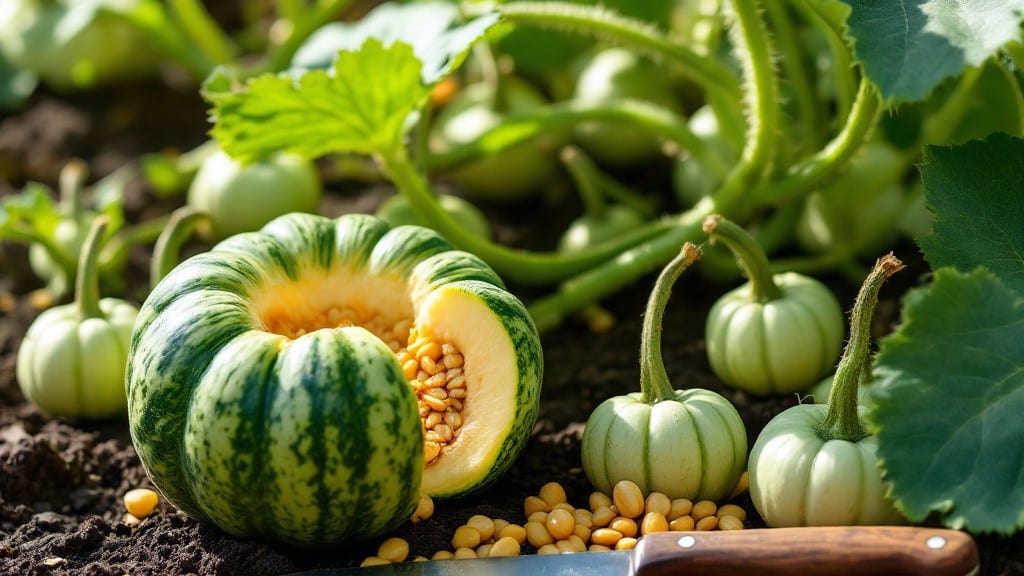
Pumpkin seeds appear green because their outer shell contains chlorophyll, the pigment responsible for photosynthesis in plants, which breaks down as seeds mature but leaves a residual green hue. The green tint often fades to white or beige during drying, though some varieties retain it longer.
This green color isn't just for show—it's a leftover from when the seeds were still developing inside the pumpkin. 🌱 While they're growing, the seeds rely on chlorophyll to convert sunlight into energy, just like leaves.
Once they mature and the pumpkin hardens, that chlorophyll gradually disappears as the seeds focus on storing nutrients like protein and healthy fats instead. Some heirloom varieties keep their green tint longer because they dry more slowly, which can actually mean higher antioxidant levels too.
What's fascinating is how this color change affects nutrition. Green seeds often contain more lutein and zeaxanthin—compounds that support eye health—while dried seeds pack more concentrated healthy fats. Roasting turns them beige, but it also boosts their crunch and brings out nutty flavors.
The best part? Whether they're green or beige, pumpkin seeds are packed with magnesium and zinc, making them a powerhouse snack regardless of their color.
💡 In This Article
- Chlorophyll and Seed Maturation in Pumpkins
- Nutritional Differences Between Green and Mature Pumpkin Seeds
Chlorophyll and seed maturation in pumpkins
Here's what's actually happening inside that pumpkin: while the seeds are still developing, they contain active chlorophyll just like leaves do.
This green pigment helps the seed absorb sunlight to fuel its growth through photosynthesis, even though seeds aren't typically associated with this process. 🌱 The pumpkin plant allocates energy to the seeds when they're young, and chlorophyll plays a key role in this energy conversion—similar to how it works in plant stems and leaves.
This is why freshly harvested pumpkin seeds often have that vibrant green outer shell, especially in varieties like 'Jack Be Little' or 'Cinderella' pumpkins.
The transition happens when the pumpkin reaches full maturity. As the seeds complete their development, the plant shifts its focus from photosynthesis to nutrient storage. The chlorophyll breaks down through a process called senescence, where the green pigment is recycled into the seed's growing tissues.
This breakdown isn't instantaneous—it can take weeks or even months depending on storage conditions. During this time, the seeds accumulate more starches and oils (up to 50% of their dry weight in some varieties), which replace the chlorophyll's role as the primary energy reserve.
What makes this fascinating is how different seed types handle this process. Sunflower seeds, for example, start green but develop a hard brown shell quickly because they contain different pigments called carotenoids.
Squash seeds often stay green longer because their outer layer remains more hydrated during drying. 🌿 Even within pumpkin varieties, heirloom types tend to retain green hues longer than commercial varieties because they're typically harvested later and dried more slowly—this slower drying preserves more of the chlorophyll remnants in the seed coat.
The science behind this color change involves more than just pigment breakdown. As the seeds dry, their moisture content drops from about 80% water to just 5-10%, causing physical changes in the seed structure.
This dehydration exposes the underlying white or beige seed color that was always there beneath the chlorophyll layer.
The residual green you sometimes see in dried seeds is actually a thin layer of chlorophyll remnants trapped between the seed's outer shell and its inner layers—like a faint green shadow that fades over time.
Temperature plays a surprising role too. Seeds dried at cooler temperatures (60-70°F) retain more chlorophyll remnants than those dried in warm conditions (90°F+). This is why some gardeners keep pumpkins in cool, dark places for weeks after harvest—the gradual drying preserves more of that green pigment.
The opposite happens with commercial processing, where seeds are often dried quickly at higher temperatures to achieve that uniform beige color we're used to seeing in stores.
Here's a practical takeaway: if you're growing pumpkins for seeds, leaving them on the vine slightly longer (until the stem turns brown) can result in seeds that retain more green pigment—and potentially more antioxidants like lutein.
The trade-off is that these seeds may take longer to dry completely, but the nutritional payoff could be worth it for health-conscious snackers. 💚