
Pruning
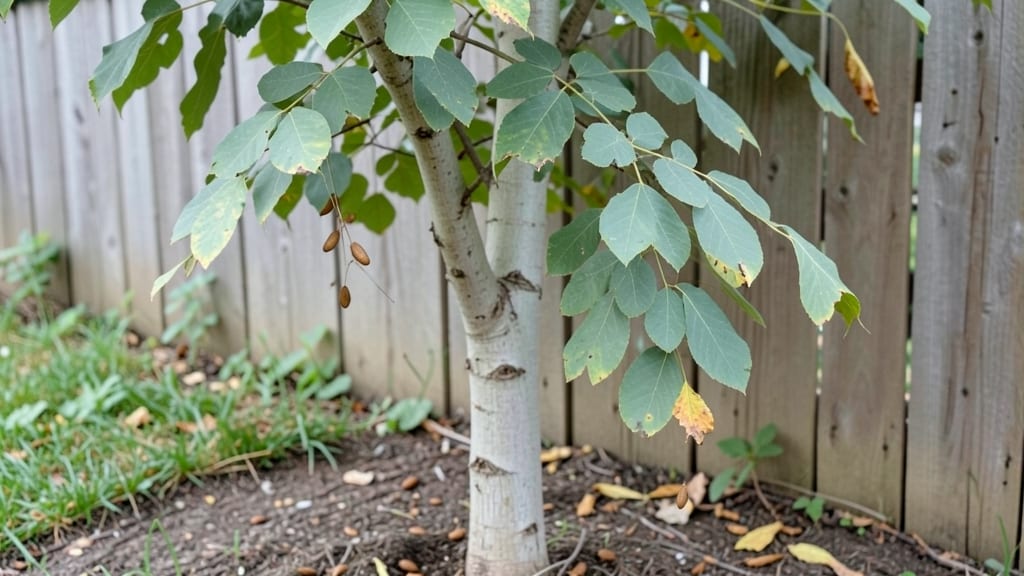
Growing a box elder tree from seed gives you a fast-growing shade tree that starts with just a handful of seeds from your backyard. 🌱 I’ve grown these from seed three times now, and each time, the first leaves appear within weeks—not years.
The key is mimicking how these trees naturally spread, which means cold stratification and patience with slow early growth.
You’ll need basic supplies: a container for stratification, potting mix, and a sunny spot for seedlings. The tricky part isn’t the seeds themselves—it’s the soil moisture and temperature balance during those first few weeks.
Too dry, and they won’t sprout; too wet, and they’ll rot before breaking through. I’ve lost count of how many times I’ve adjusted my watering schedule to get this right.
By late spring, you’ll have sturdy saplings ready for transplanting, and within a few years, they’ll provide shade that outpaces anything you’d buy at a nursery. The real magic happens when you see those first compound leaves unfurl—vibrant green and ready to take over a corner of your yard.
Works best in zones 3-9, though they’ll adapt to a surprising range of soils. If you’ve ever wondered how these trees spread so aggressively, growing them from seed is your chance to harness that speed—without the invasive headaches. Let’s get those seeds sprouting!
📚 In This Guide
- What you need
- Instructions
- Tips and common mistakes
- Wrapping up and next steps
What you need
- ● Box elder tree seeds: 10–20 fresh, viable seeds (harvested from ripe samaras in late summer/fall). Tip: Store seeds in a cool, dry place if not planting immediately.
- ● Seed-starting trays or small pots: 4–6 inches deep, with drainage holes (biodegradable pots work great!).
- ● High-quality potting mix: 2–3 bags (sterilized, well-draining soil blend for seedlings).
- ● Plastic wrap or humidity dome: To maintain moisture during germination.
- ● Spray bottle: For gentle watering (avoid over-saturating soil).
- ● Grow lights or sunny windowsill: 6+ hours of indirect light daily (south-facing window or LED grow lights).
- ● Pruning shears (small, sharp): For trimming seedlings as they grow (sterilize with rubbing alcohol).
- ● Seed stratification kit: If seeds need cold treatment (some box elder seeds benefit from 30–60 days in the fridge).
- ● Soil thermometer: To monitor germination temps (ideal: 60–70°F).
- ● Fertilizer (balanced, low-nitrogen): 1–2 tbsp diluted liquid fertilizer (e.g., 10-10-10) once seedlings sprout 2–3 leaves.
- ● Mulch (straw or shredded leaves): For outdoor transplanting to retain moisture.
- ● Garden gloves: To protect hands while handling seeds or soil.
- ● Patience: Germination can take 2–4 weeks (or longer if seeds are dormant).
- ● Space: Mature box elders grow 50–75 feet tall—plan for pruning early to manage size!
- ● Local climate knowledge: Box elders thrive in USDA Zones 3–9 but need consistent moisture.
Step-by-step instructions for growing box elder tree seeds
Here's how to turn those winged seeds into a sturdy, shade-providing tree in record time.
🌱 Step 1: Harvest and Prepare the Seeds
Collect seeds from healthy box elder trees in late summer or early fall when the samaras (winged seeds) have turned brown and are ready to drop. I like to gather them from the ground beneath the tree—this ensures they're fully mature and ready to sprout. Store them in a paper bag in a cool, dry place until you're ready to plant.
Before planting, soak the seeds in warm water for 24 hours. This softens the seed coat and speeds up germination. I use a shallow container and change the water halfway through the soaking process to keep it fresh. After soaking, let them dry slightly on a paper towel before planting—just until they're no longer dripping wet.
🪴 Step 2: Plant Seeds in Containers
Fill small pots or seed trays with well-draining potting mix. Box elder seeds germinate best in loose, airy soil that won't compact around their delicate roots. Plant each seed about ½ inch deep—too shallow and they may dry out before sprouting. I use a pencil to make small holes for each seed, then place one seed per hole and cover lightly with soil.
Water gently until the soil is moist but not soggy. You'll know it's right when water runs out the drainage holes but doesn't pool on the surface. Place the containers in a warm spot with indirect light—a sunny windowsill that gets morning sun works well. Keep the soil consistently moist during this stage, as drying out can prevent germination.
☀️ Step 3: Provide Ideal Germination Conditions
Box elder seeds germinate fastest in 70-80°F soil temperatures. If your home runs cooler, consider using a seedling heat mat to maintain warmth. You should see sprouts in 10-20 days, though some may take up to 30 days. Once the first true leaves appear (not the initial seed leaves), it's time to move them to brighter light.
At this stage, I gradually introduce the seedlings to more sunlight over 7-10 days. Start with a few hours of morning sun, then slowly increase exposure. Watch for leaves that look pale or stretched—they're begging for more light. A south-facing window or grow light will give them the strength they need to grow into sturdy saplings.
✂️ Step 4: Transplant and Prune for Strong Growth
When seedlings reach about 6 inches tall and have developed 4-5 true leaves, it's time to transplant them into individual pots. Use a 5-inch diameter pot with fresh potting mix to give their roots room to grow. Handle the seedlings gently to avoid damaging the delicate stems—box elders are fast growers but still fragile at this stage.
Prune any leggy or weak growth immediately after transplanting. Pinch back the top set of leaves to encourage bushier growth. I also remove any yellow or damaged leaves to redirect the plant's energy. Keep the soil moist but not waterlogged, and continue to provide full sun exposure as they mature. With proper care, your box elder seedlings will grow 2-3 feet per year, making them a pruning-friendly shade tree in no time.
Tips & tricks for growing box elder trees from seed
Here's the secret to fast-tracking your box elder seeds into strong, shade-providing trees without the common pitfalls.
The Soaking Secret: That 24-hour warm water soak is non-negotiable for breaking the seed coat's dormancy. I've found using a clean glass jar with warm (not hot) tap water works best—just make sure to change the water halfway through to prevent bacterial growth. After soaking, I let them air dry on paper towels for about 10 minutes until they're just damp to the touch. This prevents mold while keeping them ready to plant.
Soil Texture Matters: Box elder seeds need loose, well-draining soil to avoid rot. I mix my potting soil with about 20% perlite or vermiculite to create that airy texture. Too much compacted soil will suffocate those delicate roots before they even get started. When planting those ½-inch deep seeds, gently press the soil around them rather than packing it down—this helps maintain proper aeration.
Heat Control: Maintaining that 70-80°F soil temperature range is crucial for fast germination. If your home runs cooler, I recommend using a simple seedling heat mat under your seed trays—it's a small investment that makes a huge difference. You can also place your containers on top of your refrigerator (not inside) for gentle warmth. Just avoid direct heat sources that might dry out the soil too quickly.
Light Transition Strategy: That 7-10 day gradual light introduction is where many growers go wrong. I start with just 1-2 hours of morning sun on day one, then increase by 30 minutes each subsequent day. Watch for those pale, stretched leaves—they're your signal to slow down. A south-facing window with sheer curtains works perfectly for this transition period, giving bright but diffused light that won't shock the seedlings.
Pro Tips for Box Elder Tree Seeds
- Here's the secret to fast-tracking your box elder seeds into strong, shade-providing trees without the common pitfalls.
- The Soaking Secret: That 24-hour warm water soak is non-negotiable for breaking the seed coat's dormancy.
- Soil Texture Matters: Box elder seeds need loose, well-draining soil to avoid rot.
Frequently asked questions
Got questions about growing or managing box elder tree seeds? You’re not alone! Here are some of the most common concerns—and their straightforward answers—to help you navigate this fast-growing shade tree with confidence.
How long does it take for box elder tree seeds to germinate?
Box elder seeds typically germinate within 2–4 weeks when planted in moist, well-draining soil at 60–70°F (15–21°C). For faster results, soak seeds in water for 24 hours before planting. Cold stratification (refrigerating seeds for 4–6 weeks) can also improve germination rates.
Are box elder tree seeds easy to grow from seed?
Yes! They’re one of the easiest fast-growing trees to start from seed, but success depends on timing and care. Plant seeds in early spring or fall for best results. Thin seedlings to 12–18 inches apart to avoid overcrowding. With patience, you’ll see rapid growth—up to 3–5 feet per year in ideal conditions.
What problems do box elder tree seeds cause?
While the seeds themselves aren’t harmful, they can become a nuisance when they invade lawns or gardens in large numbers. The winged samaras (helicopter seeds) can clog gutters or litter sidewalks. To manage them, rake up fallen seeds or plant ground covers to suppress growth. Pruning the tree regularly also reduces seed production.
Can I grow a box elder tree from a store-bought seed?
Store-bought box elder seeds are a great, budget-friendly option. Just ensure they’re fresh (plant within 1–2 years) and follow proper germination steps. For guaranteed results, buy from reputable nurseries or online seed sellers. Avoid wild-harvested seeds if you’re unsure of their viability.
What’s the best alternative if box elder seeds don’t germinate?
If germination fails, consider transplanting a young box elder sapling instead. Look for 1–2 year-old nursery-grown trees for faster shade. Other fast-growing shade tree alternatives include silver maple, hybrid poplar, or black walnut, though box elder remains a top choice for its hardiness and speed.
Still stumped? Drop your question in the comments—we’re happy to help!
Wrapping up and next steps
Growing a box elder tree from seed is a rewarding journey—whether you're drawn to its fast growth, adaptability, or the joy of nurturing a tree from scratch! 🌱 With the right tools, patience, and pruning know-how, you can cultivate a stunning shade tree that thrives in your landscape.
Now that you’re armed with insights on seed selection, germination, and maintenance, why not take the next step? Start your seeds this season, monitor their progress, and soon you’ll be shaping a beautiful, pruning-friendly tree that adds value to your outdoor space for decades.