
Vegetables
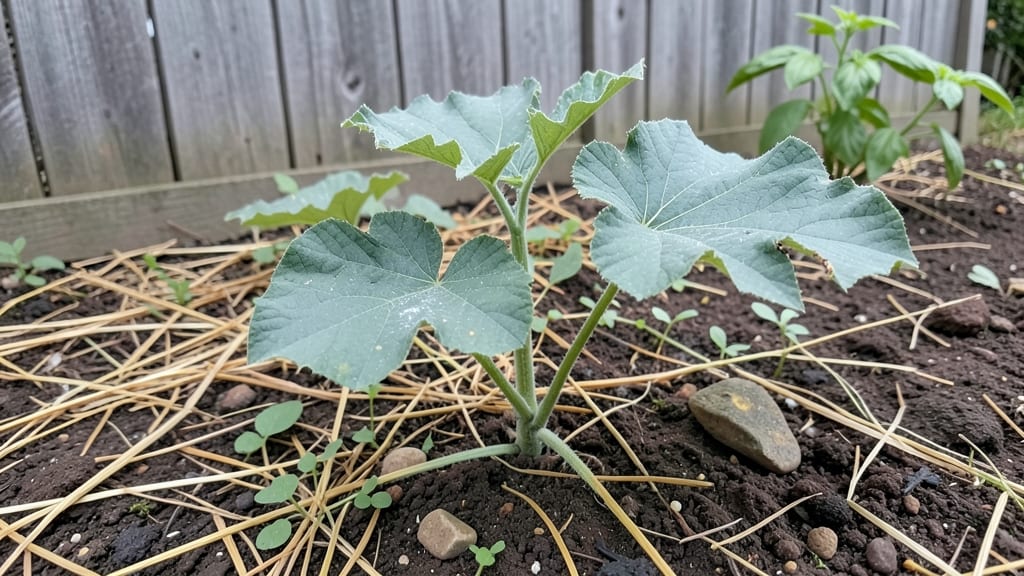
Mastering cucumber seedling identification early ensures you’ll spot strong starts—those first true leaves hold the secret to bushy or vining varieties. ✨ narrower, jagged-edged foliage.
Stem color matters too. Healthy seedlings show a vibrant green stem with a slight waxy coating, while yellowing or purple streaks signal stress. I’ve learned to check for hairy stems—a sign of strong, disease-resistant plants—before anything else.
A magnifying glass helps spot early signs of powdery mildew or aphids hiding in the creases.
By week three, you’ll see the plant’s true personality: bush cucumbers stay compact, while vining types send out tendrils like eager little fingers. Prune any leggy stems early to encourage bushier growth, and always plant in well-draining soil to prevent damping-off, the silent killer of young seedlings.
This guide covers the key visual cues that separate thriving seedlings from those needing extra care—so you can intervene before problems become permanent. Whether you’re growing slicers, pickles, or heirlooms, these early checks set the stage for a productive harvest.
What Triggers Misidentification Issues
Identifying cucumber seedlings can be tricky, especially for beginners. Several key factors—often overlooked—can lead to confusion, misdiagnosis, or even failed harvests. Understanding these causes helps you spot problems early and take corrective action.
Below are the most common reasons why cucumber seedlings might look unfamiliar or behave unexpectedly, backed by science and practical insights.
Seedlings that fail to develop normally often stem from suboptimal germination environments. Cucumbers (Cucumis sativus) thrive in warm, moist conditions, but deviations can trigger stunted growth, odd leaf shapes, or weak stems.
- Temperature extremes: Cucumber seeds require soil temperatures between 70–90°F (21–32°C) to germinate properly. Cooler soils (<60°F/15°C) slow metabolism, leading to pale, elongated seedlings with weak stems—often mistaken for disease. Pro tip: Use a seedling heat mat if your climate is chilly! 🌡️
- Inconsistent moisture: Overwatering causes oxygen deprivation, while underwatering stresses seedlings, both leading to distorted leaves. Ideal moisture is consistently damp (not soggy), mimicking tropical conditions.
- Light deprivation: Seedlings grown in low light stretch toward any available source (a phenomenon called etiolation), resulting in thin, leggy stems and small, pale leaves. This can make them resemble weak or diseased plants.
Diseases and pests often alter cucumber seedlings’ appearance, mimicking nutrient deficiencies or genetic traits. Early intervention is critical to prevent spread.
| Cause | Visual Clues | Scientific Explanation |
|---|---|---|
| Downy Mildew (Pseudoperonospora cubensis) | Yellow, angular spots on leaves; fuzzy gray mold on undersides. | This oomycete thrives in humid conditions, blocking chlorophyll production and causing leaf necrosis. Spores spread via wind or water, often confusing growers with nutrient disorders. |
| Powdery Mildew (Erysiphe cichoracearum) | White, powdery patches on leaves; stunted growth. | Fungal spores disrupt photosynthesis by coating leaves, leading to yellowing and curled leaves. Warm, dry conditions (75–85°F/24–29°C) accelerate outbreaks. |
| Aphid Infestation | Sticky residue ("honeydew"); curled, puckered leaves. | Aphids inject toxins while feeding, stunting growth and transmitting viral diseases. Their saliva alters plant hormones, causing abnormal leaf shapes. |
Cucumbers are heavy feeders, and deficiencies or excesses in key nutrients can drastically alter seedling development. Soil tests reveal imbalances, but visual symptoms often appear first.
- Nitrogen (N) deficiency: Leaves turn pale yellow (chlorosis), starting from the oldest leaves. This mimics Downy Mildew but lacks fungal growth. Fix: Apply compost or a balanced fertilizer (e.g., 10-10-10).
- Phosphorus (P) deficiency: Dark green or purple stems/leaves signal poor energy transfer. Seedlings may appear stunted. Fix: Use bone meal or rock phosphate.
- Magnesium (Mg) deficiency: Interveinal chlorosis (yellowing between veins) resembles nutrient toxicity. Fix: Apply Epsom salt (magnesium sulfate) to soil.
- Over-fertilization (e.g., excess salt):strong>: Brown leaf edges ("burn") or wilting occur as roots struggle to absorb water. Fix: Flush soil with water and reduce fertilizer strength.
Not all cucumber seedlings look alike—even within the same variety! Hybrid seeds or heirloom types may exhibit unexpected traits due to genetics or cross-pollination.
- Leaf shape diversity: Some varieties (e.g., Cucumis sativus var. hardwickii) have deeply lobed or serrated leaves, while others are smooth. Action: Compare seedlings to the seed packet’s reference photo.
- Stem color variations: Anthocyanin pigments (red/purple hues) in stems are normal in some cultivars (e.g., 'Tyria' cucumbers) but can be mistaken for disease.
- Cross-pollination: If growing multiple cucumber types nearby, bees may transfer pollen, resulting in seedlings with mixed traits (e.g., larger leaves or different growth habits). Solution: Isolate varieties by 500+ feet or use row covers.
💡 Pro Tip: Keep a seedling journal! Note germination dates, soil conditions, and any deviations. Photos help track changes over time and rule out pests/diseases.
Fixing Common Cucumber Seedling Issues
Now that you’ve identified what’s going wrong with your cucumber seedlings, let’s tackle the fixes—practical, step-by-step, and stress-free. Whether your seedlings are leggy, yellow, or stunted, these solutions will get them back on track. Prevention tips are included so you can avoid repeat problems next season!
Cause: Seedlings stretch toward light (etiolation) or wilt under intense heat.
How to Fix It: 🔥 Move Them to Better Light Place seedlings near a south-facing window or under grow lights (12–16 hours/day). If outdoors, use a shade cloth (30–50%) to filter harsh sunlight.
🍳 Thin Crowded Seedlings Use clean scissors to snip weak seedlings at soil level, leaving only the strongest 2–3 inches apart. This prevents competition for nutrients.
👨🍳 Hardening Off Gradually If transitioning outdoors, acclimate seedlings over 5–7 days by:
- Day 1: 1 hour outside in partial shade.
- Day 3: 3–4 hours with morning sun.
- Day 5+: Full sun exposure.
⏰ Adjust Watering Schedule Water early in the morning to reduce evaporation. Use a spray bottle for gentle moisture—avoid soaking the soil, which can drown roots.
Prevention Tips: ✔ Start seeds indoors 3–4 weeks before the last frost. ✔ Use reflective surfaces (like aluminum foil) under trays to maximize light. ✔ Choose compact varieties (e.g., ‘Bush Champion’) if space is limited.
Cause: Roots suffocate (overwatering) or lack nitrogen (pale yellow) or magnesium (yellow edges).
How to Fix It: 🌡️ Check Soil Moisture Stick your finger 1 inch deep—if damp, hold off on watering. Yellow leaves from overwatering often appear mushy or wilted.
💡 Flush the Soil Mix 1 part hydrogen peroxide (3%) with 4 parts water and water the soil to oxygenate roots. Repeat weekly if needed.
🥗 Feed with Balanced Fertilizer Use a liquid fertilizer (10-10-10 or 5-5-5) diluted to half-strength. For magnesium deficiency, add Epsom salt (1 tbsp per gallon of water) every 2 weeks.
🎯 Improve Drainage Repot seedlings into well-draining pots with a mix of:
- 50% potting soil
- 30% perlite
- 20% compost
Prevention Tips: ✔ Use pots with drainage holes—no exceptions! ✔ Water at the base, not overhead, to prevent fungal issues. ✔ Rotate seedlings weekly for even light exposure.
Cause: Compacted soil, pests (aphids/spider mites), or root-bound seedlings.
How to Fix It: 🔪 Inspect for Pests
- Aphids: Spray with soapy water (1 tsp mild soap + 1 quart water).
- Spider mites: Wipe leaves with a damp cloth and introduce predatory mites if severe.
- Cutworms: Create a collar of cardboard around stems to block pests.
🌱 Repot or Transplant If roots are circling, gently loosen them before transferring to a larger container or garden bed. Add compost to enrich the soil.
📊 Boost with Organic Matter Work in well-rotted manure or worm castings to improve soil structure. Avoid fresh manure—it can burn seedlings!
Prevention Tips: ✔ Rotate crops yearly to prevent soil-borne diseases. ✔ Use row covers early in the season to deter pests. ✔ Test soil pH (ideal: 6.0–6.8) with a home kit before planting.
Cause: Overhead watering, humidity, or fungal diseases like damping off or powdery mildew.
How to Fix It: ✨ Remove Affected Seedlings Immediately Dispose of infected plants in the trash (not compost) to prevent spread.
💧 Adjust Watering Habits
- Water only at the base using a watering can with a narrow spout.
- Avoid wetting leaves—use drip irrigation if possible.
🔥 Apply Fungicide Spritz seedlings with a baking soda solution (1 tsp baking soda + 1 quart water + few drops of soap) every 7–10 days.
🌡️ Improve Airflow Space seedlings 6–12 inches apart and use a small fan on low setting for 2–3 hours/day to reduce humidity.
Prevention Tips: ✔ Sterilize tools with rubbing alcohol before use. ✔ Space plants properly to avoid crowding. ✔ Water in the morning so foliage dries quickly.
Final Pro Tip: 🌿 Keep a seedling journal! Note watering schedules, light conditions, and any issues—it’ll help you spot problems faster next time. Happy growing!
Frequently asked questions
How do I tell the difference between healthy and unhealthy cucumber seedlings?
Healthy seedlings have bright green leaves with jagged edges and a sturdy, hairy stem. Look for vibrant color—yellowing or purple stems signal stress. Unhealthy seedlings may show stunted growth, curled leaves, or white powdery patches (fungus). Check for pale, thin stems too, which often means poor light or overwatering.
Can I identify cucumber varieties just by looking at the seedlings?
Yes! Bush varieties like 'Bush Champion' stay compact with smaller leaves and thicker stems, while vining types (e.g., 'Straight Eight') develop longer stems and tendrils early. Leaf shape matters too—deeply lobed leaves often indicate heirloom types. Compare seedlings to seed packet photos for confirmation.
Why do my cucumber seedlings have purple stems?
Purple stems are normal in some varieties (like 'Tyria') due to anthocyanin pigments, which protect against UV light. However, if stems are yellow or brown with purple, it could signal nutrient deficiency (phosphorus) or overwatering. Test soil pH (ideal: 6.0–6.8) and adjust fertilizer if needed.
What should I do if my seedlings look weak but aren't showing disease symptoms?
Weak seedlings often need better light—move them to a south-facing window or under grow lights (12–16 hours/day). Thin crowded seedlings to 2–3 inches apart and check soil moisture (should be consistently damp, not soggy). A balanced fertilizer (5-5-5) can also boost growth if leaves are pale.
How soon can I transplant seedlings after germination?
Wait until seedlings have 2–3 true leaves (not just the initial seed leaves) and are at least 2–3 inches tall. Harden them off first by gradually exposing them to outdoor conditions over 5–7 days. Transplant on a warm, cloudy day to reduce stress. Avoid transplanting when soil is colder than 60°F (15°C).