
Vegetables
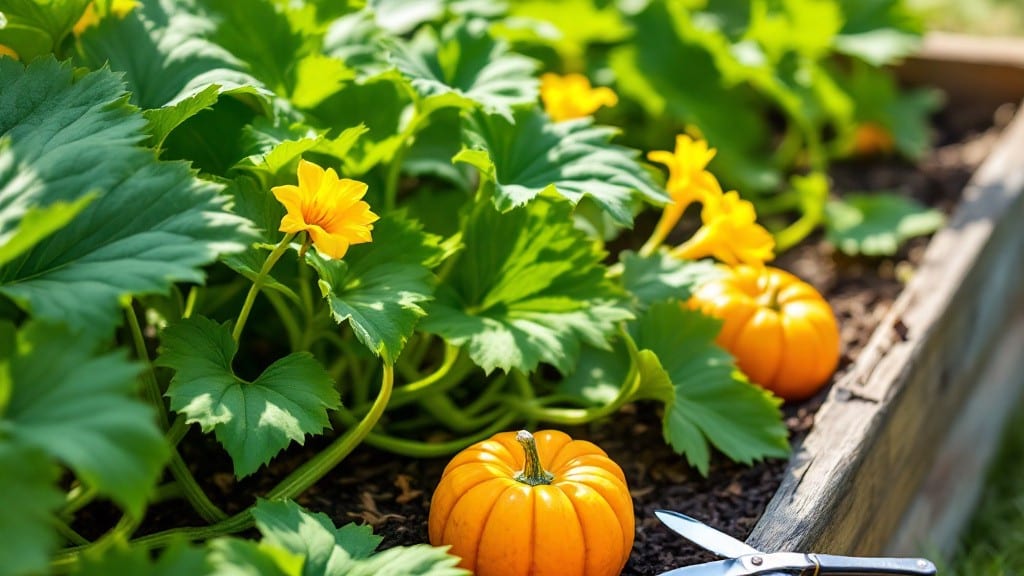
Yes, mini pumpkins have seeds—just fewer and smaller than their giant cousins. These little gourds typically yield 10–30 seeds in heirloom types, while hybrids may produce even fewer. For best results, harvest seeds from organic, non-hybrid mini pumpkins to ensure viability for planting.
Mini pumpkins pack seeds despite their tiny size because they're still true pumpkins, just genetically compact. 🌱 The smaller the fruit, the tighter the seed cluster, which is why heirloom varieties like Jack Be Little often deliver more seeds than hybrids.
These seeds are fully edible—roast them like sunflower seeds for a sweet, nutty snack, or save them for next year's garden. Just remember: hybrid seeds won't grow true to type, so stick with heirlooms if you want identical mini pumpkins!
💡 In This Article
- How Mini Pumpkin Seed Size and Quantity Compare
- Saving and Using Mini Pumpkin Seeds for Gardening
How mini pumpkin seed size and quantity compare
The size of a mini pumpkin directly influences its seed count through a fascinating botanical relationship.
Mini pumpkins develop from compact vines and smaller flowers, which naturally produce fewer ovules (potential seeds) than their giant relatives. 🌿 For example, a Jack Be Little pumpkin—weighing just 1-2 pounds—typically contains 15-25 seeds, while a Sugar Pie (around 3-4 pounds) may yield 25-30 seeds.
This correlation exists because the fruit's interior space limits how many seeds can develop, creating a tighter seed-to-pulp ratio.
The seed size itself shrinks proportionally too. Mini pumpkin seeds measure roughly 1/4 to 1/3 inch long, compared to 1/2 inch for standard pumpkin seeds.
Their smaller size makes them ideal for roasting—when heated to 300°F for 15-20 minutes, they develop a crisp texture and nutty flavor similar to pepitas. The seed coat remains thin but sturdy, protecting the embryo while allowing efficient nutrient transfer during germination.
Pollination plays a crucial role in determining seed quantity. Mini pumpkins rely on bees and other pollinators to transfer pollen between flowers, but their smaller blossoms can limit cross-pollination success. 🐝 Hybrid varieties often produce fewer seeds (10-15) because their genetic uniformity reduces natural variability in seed development.
In contrast, heirloom types like Munchkin pumpkins (weighing 2-3 pounds) may yield 20-28 seeds due to their open-pollinated genetics, which encourages greater genetic diversity among seeds.
Here's what affects seed count most dramatically:
- Genetics: Heirloom varieties consistently produce more seeds than hybrids
- Fruit size: Larger mini pumpkins (even under 5 pounds) can hold up to 35 seeds
- Pollination success: Poor pollination reduces seeds by 30-50%
- Growing conditions: Stress from drought or heat can shrink seed size by 20%
The seed arrangement inside mini pumpkins follows a predictable pattern. Seeds form in concentric rings around the central cavity, with the largest seeds developing closest to the stem attachment point. 🌱 This positioning explains why some seeds appear slightly larger than others—those near the stem receive more nutrients during development.
The pulp surrounding the seeds remains sweet and fibrous, though significantly less than in giant pumpkins, making the seed-to-pulp ratio nearly 1:1 in mini varieties.
What most gardeners overlook is how seed viability correlates with fruit maturity. Harvesting mini pumpkins too early (before their rind hardens) can result in underdeveloped seeds that fail to germinate. For optimal seed saving, wait until the pumpkin's skin turns completely hard before scooping out the seeds.
The seeds themselves should be fully formed with a firm, white embryo visible when split open—a sure sign of planting readiness.