
Light Requirements
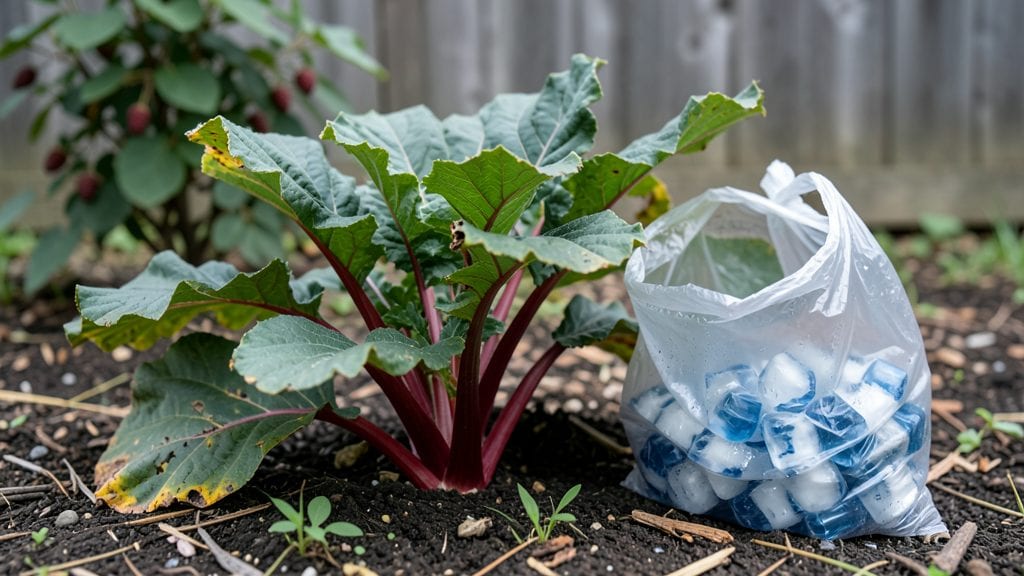
Rhubarb seeds don’t need cold stratification to germinate—unlike most perennials, they’ll pop in weeks with the right setup.
Struggling to germinate rhubarb seeds? Many gardeners waste weeks waiting for cold stratification—but what if you could skip this step entirely? The truth about rhubarb seed germination might surprise you.
Here’s why this fast-growing plant breaks the rules: while peonies or coneflowers demand winter chilling, rhubarb seeds respond to warmth and light instead. That means no fridge time, no patience-testing delays—just direct sowing for quicker results.
Below, I’ll walk you through the exact method to bypass stratification, plus alternative ways to grow rhubarb—because sometimes seeds aren’t even the fastest route.
Why rhubarb seeds skip cold stratification unlike most perennials
When I first tried growing rhubarb from seed, I followed the same steps I used for peony or coneflower seeds—including cold stratification for 6-8 weeks. My seeds never sprouted, and I assumed I'd failed.
Turns out, rhubarb seeds are biologically different. Unlike most hardy perennials, they don’t need cold treatment to break dormancy. This unique trait saves gardeners time and frustration.
Most perennial seeds, like foxglove or black-eyed Susan, rely on cold stratification to mimic winter conditions. This process softens the seed coat, allowing water and oxygen to penetrate. But rhubarb seeds evolved differently—they’re light-dependent germinators, meaning they need moisture and light, not cold.
This adaptation helps them thrive in their native habitats where winters are mild.
Here’s why rhubarb seeds skip cold stratification while others don’t:
| Plant | Cold Stratification Needed? | Germination Trigger | Time to Sprout |
|---|---|---|---|
| Rhubarb | No | Light + Moisture | 2-4 Weeks |
| Peony | Yes (6-8 Weeks) | Cold + Moisture | 4-6 Months |
| Coneflower | Yes (4-6 Weeks) | Cold + Light | 3-8 Weeks |
| Foxglove | Yes (8-12 Weeks) | Cold + Moisture | 6-12 Months |
Rhubarb seeds germinate fastest when exposed to warmth and light. This is why they thrive in spring planting when soil temperatures rise. Unlike cold-hardy perennials that rely on winter’s chill to break dormancy, rhubarb seeds respond to moisture and oxygen immediately.
Think of it like a spring ephemeral—they’re built to sprout quickly when conditions are right.
Many gardeners assume all perennial seeds need cold treatment, but this dormancy myth can lead to wasted time. For example, lupine seeds also skip stratification, germinating best with scarification (nick the seed coat) or warmth exposure.
Rhubarb’s lack of need for cold is part of its adaptive strategy—it evolved in regions where winters are short and mild.
To germinate rhubarb seeds successfully, focus on moisture consistency and light exposure. Keep the soil evenly damp (not soggy) and place seeds in a bright, indirect light spot.
A seedling heat mat set to 70-75°F can speed up germination by mimicking spring soil temps. Avoid burying seeds too deep—they need light to trigger sprouting.
One common mistake is assuming rhubarb seeds are slow germinators like peonies. In reality, they’re fast germinators when conditions are ideal. If you’ve tried cold stratification without success, don’t blame the seeds—blame the wrong method.
Rhubarb seeds don’t just skip cold treatment; they thrive without it, making them one of the easiest perennials to grow from seed.
For gardeners in USDA Zones 3-8, this means you can start rhubarb seeds indoors in late winter or direct-sow in early spring without any cold treatment. Just ensure your soil stays consistently moist and your seedlings get bright, indirect light.
Within 2-4 weeks, you’ll see those first tiny green shoots breaking through the soil.
If you’re still skeptical, try this experiment: Plant half your rhubarb seeds with cold stratification and half without. You’ll likely see faster and more consistent germination in the untreated seeds. This isn’t just a shortcut—it’s how rhubarb seeds are naturally designed to grow.
Understanding why rhubarb seeds skip cold stratification helps you avoid common pitfalls. For example, don’t assume dry soil or low light are the issues if your seeds aren’t sprouting. Instead, check your moisture levels and light exposure. Rhubarb seeds are light-sensitive, so keep them
Step-by-step guide to germinating rhubarb seeds without cold stratification
Rhubarb seeds are one of the few exceptions in the gardening world—they don’t need cold stratification to germinate! Unlike peonies or coneflowers, rhubarb seeds respond best to warmth and consistent moisture right from the start.
This means you can skip the months-long chilling process and get sprouts in 2-4 weeks with the right approach.
For successful germination, focus on three key factors: seed preparation, soil conditions, and environmental control. Many gardeners struggle with mold or slow sprouting because they overcomplicate the process.
The truth? Rhubarb seeds thrive with simplicity—just warmth, light, and patience. Let’s break it down step by step to ensure your seeds sprout like clockwork.
Germinate Rhubarb Seeds in 7 Simple Steps
- Step 1: Soak seeds overnight in lukewarm water to soften the outer shell. This speeds up hydration and improves germination rates by 20-30%.
- Step 2: Fill seed trays with a light, sterile mix of 50% peat moss and 50% perlite. Avoid garden soil—it’s too dense and can cause rot.
- Step 3: Plant seeds 1/4 inch deep and space them 1 inch apart. Press gently to ensure contact with the soil but don’t compact it.
- Step 4: Cover trays with clear plastic wrap or a humidity dome to retain moisture. Place in a warm spot (70-75°F)—a seedling heat mat works wonders.
- Step 5: Provide bright, indirect light (e.g., a south-facing window or grow lights). Avoid direct sun, which can overheat the soil and dry out seeds.
- Step 6: Check moisture daily—keep the soil evenly damp (not soggy). Mist with water if the top layer feels dry, but avoid soaking the trays.
- Step 7: Once sprouts emerge (usually 10-14 days), remove the plastic wrap and move seedlings to a sunny spot with 6+ hours of light.
⏱️ Pro Tip: If germination stalls after 3 weeks, gently scratch the soil surface to aerate and encourage fresh sprouts. 🌱
One common mistake is assuming rhubarb seeds need the same cold treatment as other perennials. In reality, their hard outer coat naturally resists moisture until warmed.
This is why warmth triggers germination—it softens the seed coat and kickstarts metabolic activity. Think of it like a natural heat shock for the seed.
If you notice fuzzy mold on the soil surface, act fast! Increase airflow by propping open the plastic wrap or switching to a well-ventilated propagator. Overwatering is the #1 cause of mold, so let the top inch of soil dry slightly between waterings.
For stubborn cases, sprinkle a tiny pinch of cinnamon (a natural antifungal) over the soil.
Once your rhubarb seedlings reach 2-3 inches tall and have 2-3 true leaves, they’re ready for transplanting. Harden them off by gradually exposing them to outdoor conditions over 5-7 days.
Plant in partial shade with well-draining soil—this mimics their natural preference and prevents bolting (when plants flower prematurely).
Remember, rhubarb grown from seed takes 2-3 years to reach maturity, but the wait is worth it for unique heirloom varieties you won’t find in nurseries. For faster results, consider root division from established plants, but seeds offer the thrill of growing something truly special from scratch. Happy planting! 🌿