
Picking
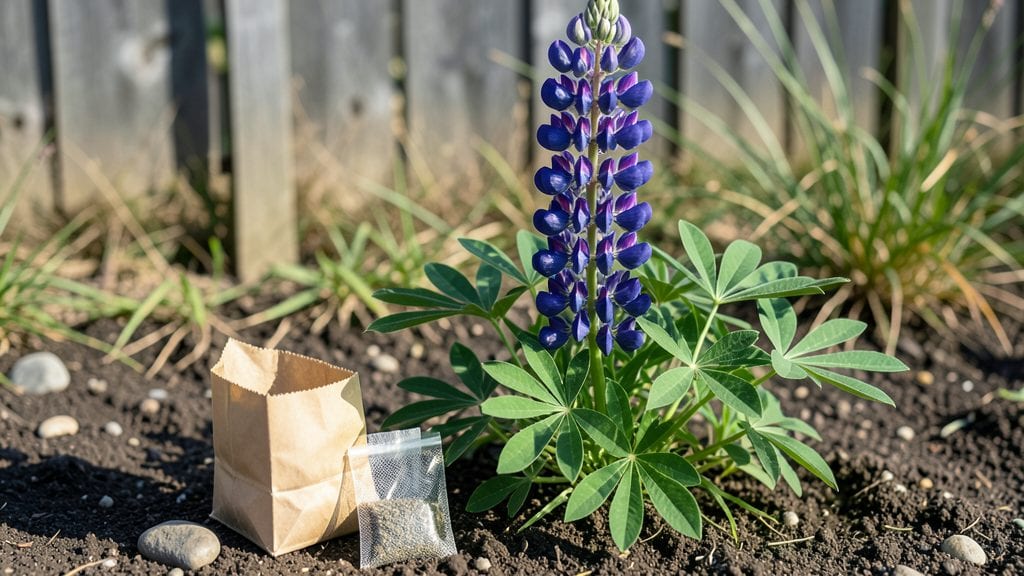
To harvest lupine seeds, wait until pods turn brown and dry but haven’t split open, then gently twist them off the plant. Spread seeds on a mesh screen or paper in a dry, shaded area for 1-2 weeks to fully dry before storage or planting. Avoid harvesting when pods are green or cracked to prevent seed loss or mold growth.
Harvesting lupine seeds at the right stage ensures the highest germination rates. 🌱 The pods should be fully browned but still intact—if they crack open, the seeds scatter or attract pests. I’ve found that morning harvests work best because dew-damp pods dry faster without overheating.
For best results, store seeds in labeled paper bags in a cool, dark place, where they’ll stay viable for up to 3 years if kept dry.
Lupine seeds thrive in well-drained soil, so proper drying is critical. If you’re short on time, you can speed up the process by placing pods in a single layer on a baking sheet at 140°F for 1-2 hours, but monitor closely to avoid overheating.
Once fully dry, a simple float test—dropping seeds in water—reveals which ones sink (viable) and which float (discard). This method saves time when preparing large batches for spring planting.
💡 In This Article
- Lupine Seed Maturity Stages for Optimal Harvest
- Step-by-Step Lupine Seed Drying and Storage Guide
Lupine seed maturity stages for optimal harvest
Lupine pods undergo three distinct maturity stages, each with unique visual and textural cues. The first stage is the green pod phase, where pods remain firm and plump, filled with developing seeds that are still too moist for harvesting.
At this point, the seeds contain high moisture levels—often exceeding 30%—which makes them prone to mold and poor germination. The second stage is when pods turn a uniform brown color, signaling the ideal harvest window.
This stage occurs roughly 8-12 weeks after flowering, depending on the lupine variety and climate.
The brown pods should feel dry to the touch but still hold their shape when gently squeezed. Inside, the seeds will have shriveled slightly from their original size, with a papery texture that indicates proper maturation.
Here's what's happening botanically: the seed coat hardens as it dries, creating a protective barrier that shields the embryo from environmental damage. This hardening process is crucial—seeds harvested too early lack this protective layer and may not survive storage.
The final stage is the cracked pod phase, where seeds scatter naturally, signaling it's too late for controlled harvesting. 🌾
Environmental factors play a critical role in determining harvest timing. High humidity levels above 60% can delay pod drying, while temperatures below 50°F slow the maturation process. In cooler climates, lupine pods may take up to 14 weeks to reach harvest readiness.
The key visual cue is the pod's color transition—from vibrant green to a rich, chocolate-brown hue. At this stage, the pod should separate easily from the stem with a slight twist, revealing the dry seeds inside. If pods remain green when twisted, they're not ready yet.
What most gardeners don't realize is how temperature affects seed viability during drying. Seeds dried too quickly in hot conditions (90°F+) may develop internal cracks that reduce germination rates by up to 40%. Conversely, slow drying in cool, shaded conditions preserves seed integrity better.
For best results, aim for drying temperatures between 70-80°F—this range balances moisture loss with seed protection. The ideal harvest window is typically a 3-5 day period when pods are uniformly brown but haven't begun cracking.
Lupine seeds contain natural toxins called alkaloids that deter pests, but these compounds break down during proper drying. When pods are harvested at the correct stage, alkaloid levels stabilize at safe levels for planting.
The seeds will have a distinctive mottled pattern when mature—dark brown with lighter speckles—that distinguishes them from immature seeds. This pattern results from the seed coat's natural hardening process, which creates a protective barrier against moisture and pests. 🌱
For visual identification, compare mature pods to green ones: mature pods have a papery, almost brittle texture when dry, while green pods feel firm and rubbery. The seed size also changes—mature seeds are about 1/4 inch long with a smooth, glossy surface, whereas immature seeds appear wrinkled and dull.
Pay special attention to the hilum (the seed's attachment point)—it should be completely dry and dark brown in mature seeds, indicating full development.